
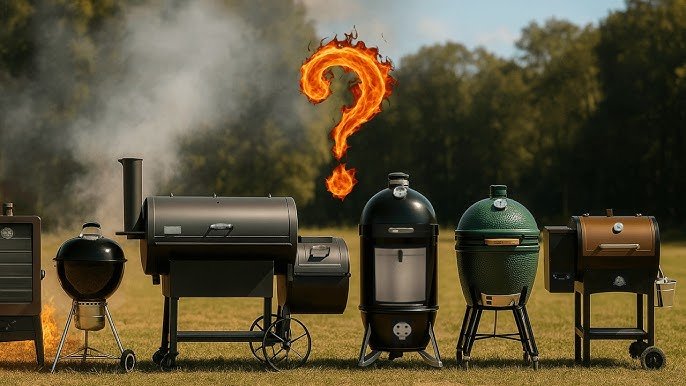
If you love the rich, smoky flavor of barbecue, you know that a charcoal smoker is a game-changer. But with so many options out there, how do you find the perfect one for your needs?
Choosing the right charcoal smoker can feel overwhelming, but it doesn’t have to be. In this guide, you’ll discover simple tips to help you pick a smoker that fits your style, budget, and cooking goals. By the end, you’ll be ready to fire up your grill with confidence and impress everyone with mouthwatering smoked meals.
Keep reading—your best barbecue experience starts here.
Benefits Of Charcoal Smokers
Choosing the right charcoal smoker means understanding the unique benefits it brings to your cooking experience. Charcoal smokers offer several advantages that can elevate your BBQ game, especially if you value flavor, control, and convenience. Let’s break down why so many pitmasters swear by charcoal smokers for their outdoor cooking.
Flavor Advantages
Charcoal smokers give food a rich, smoky flavor that’s hard to match. The burning charcoal produces a natural aroma that infuses your meat with deep, authentic taste. This flavor complexity is something gas or electric smokers often struggle to replicate.
Think about the last time you tasted perfectly smoked ribs or brisket cooked over charcoal. The subtle wood smoke combined with the charcoal’s heat creates layers of flavor you can’t get any other way. It’s not just about cooking; it’s about crafting an experience with every bite.
Temperature Control
You might assume charcoal smokers are difficult to control, but they actually offer precise temperature management once you get the hang of them. Adjusting air vents and adding charcoal in stages lets you fine-tune the heat. This control helps you cook meat evenly and avoid flare-ups.
Mastering temperature control on a charcoal smoker can turn your cooking sessions into a satisfying challenge. Have you ever tried adjusting the vents to maintain a steady 225°F for hours? It’s a skill that rewards patience and practice, letting you cook low and slow like a pro.
Portability And Design
Charcoal smokers often come in compact, lightweight designs, making them easy to transport. Whether you want to take your smoker to a tailgate, camping trip, or a friend’s backyard, many models are designed for portability without sacrificing cooking space.
Some charcoal smokers even fold flat or have handles built in, so you can carry them with ease. This portability means you can enjoy your favorite smoked dishes anywhere, turning any outdoor space into your personal BBQ zone.
Types Of Charcoal Smokers
Choosing the right charcoal smoker means understanding the different types available and how each one fits your smoking style. Each type offers unique features that affect temperature control, cooking space, and flavor. Knowing these differences helps you pick a smoker that matches your needs and skill level.
Vertical Water Smokers
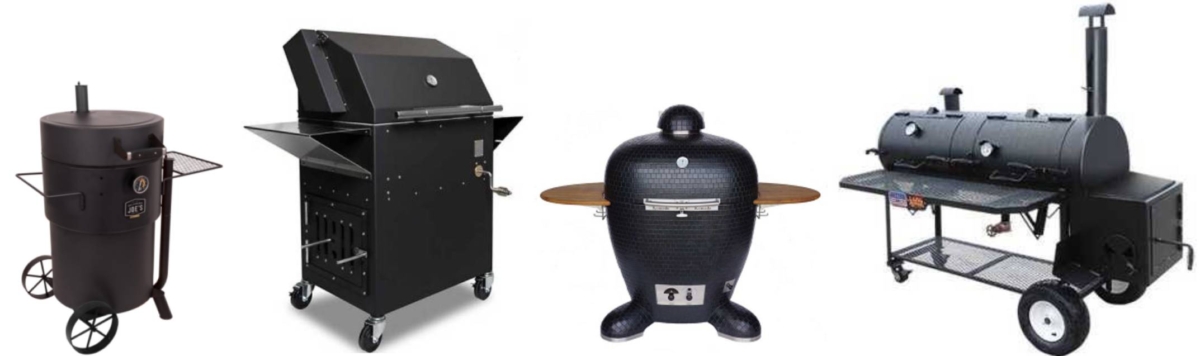
Vertical water smokers, also called bullet smokers, have a tall, cylinder shape with a water pan between the charcoal and cooking racks. The water pan keeps temperatures steady and adds moisture to the smoke, which helps keep your meat juicy.
They are compact and great for beginners who want consistent heat without too much fuss. However, the cooking space is limited, so think about how much food you plan to smoke at once.
Offset Smokers
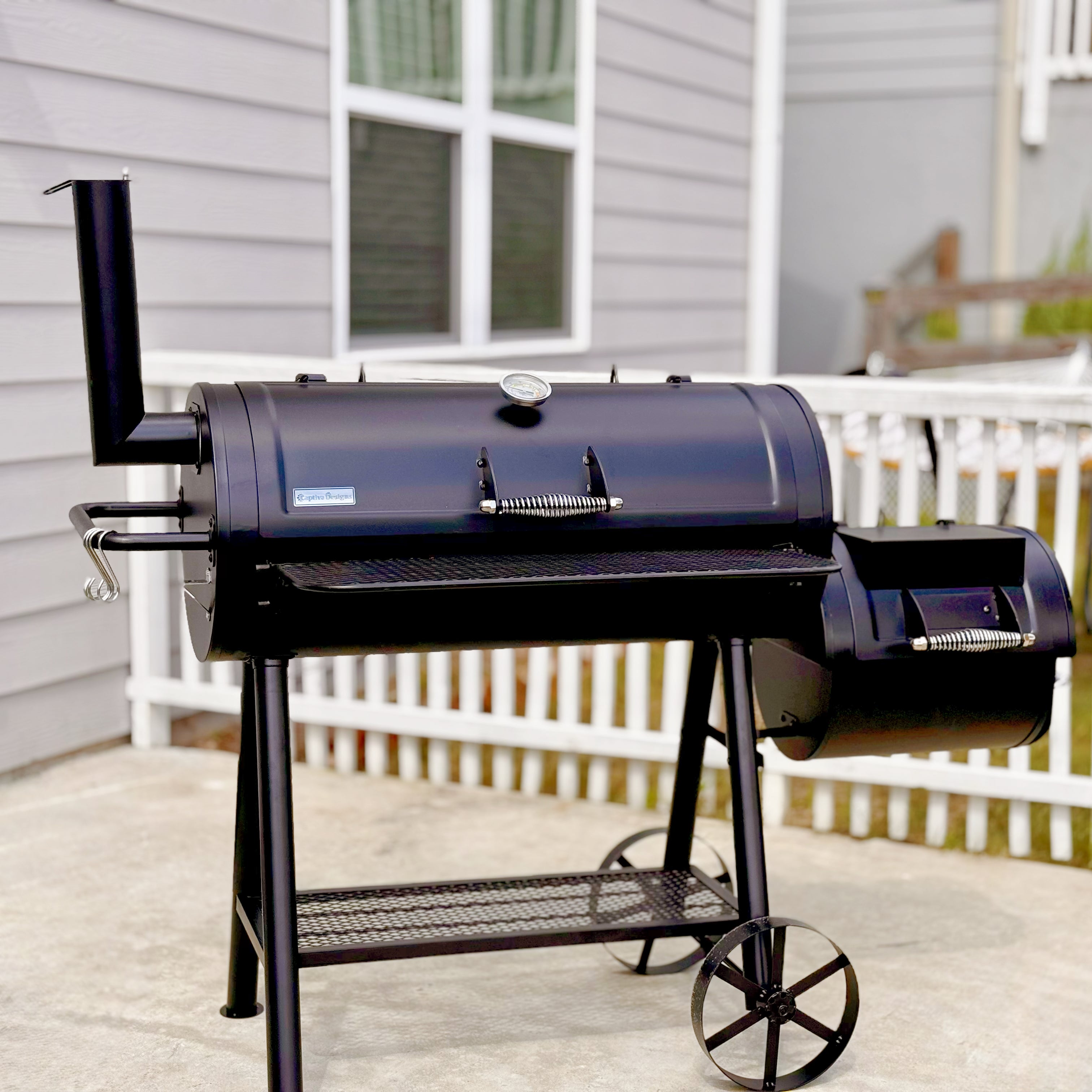
Offset smokers have a separate firebox attached to the side of the cooking chamber. This design lets you control temperature by adjusting airflow and moving coals around, giving you more control over your smoke.
If you enjoy managing the fire and want to smoke large cuts or multiple racks at once, an offset smoker is a good choice. Be ready to spend more time tending the fire, though—it’s a hands-on experience.
Kamado Grills
Kamado grills are egg-shaped smokers made from ceramic or other thick materials. They retain heat extremely well and can maintain low or high temperatures for a long time with minimal fuel.
These smokers are versatile—you can smoke, grill, roast, or bake with them. If you want a multi-use cooker that delivers rich, smoky flavors and even heat, a Kamado might fit your style perfectly.
Bullet Smokers
Bullet smokers are similar to vertical water smokers but usually smaller and more portable. They have a simple design with stacked cooking racks and a water pan to help regulate temperature.
They are ideal if you want a smoker you can easily move around or store away. The smaller size means you’ll need to plan your cooking sessions carefully, especially for larger gatherings.
Key Features To Consider
Choosing the right charcoal smoker means paying close attention to certain key features. These features affect how well your smoker performs and how enjoyable your cooking experience will be. Let’s dig into the details that really matter when making your choice.
Size And Cooking Capacity
Think about how many people you usually cook for. A small smoker may be perfect for a family of four, but if you like hosting barbecues, a larger capacity is essential. Also, consider the smoker’s footprint—will it fit comfortably in your outdoor space?
Remember, more cooking space means you can cook different types of food at once. Have you ever tried smoking ribs and chicken together? It’s easier with a roomy cooking area.
Material And Build Quality
Look for smokers made from heavy-gauge steel or cast iron. These materials hold heat better and last longer. Thin metal might rust quickly or lose heat, making it harder to maintain consistent temperatures.
Pay attention to the finish too. A high-quality enamel coating can protect your smoker from the elements and make it look great season after season. Have you noticed how some smokers show rust spots within months? That’s a sign to choose better materials.
Airflow And Temperature Control
Controlling airflow is key to managing your smoker’s temperature. Check if the smoker has adjustable vents or dampers that let you fine-tune the heat. Without good airflow control, you might struggle to keep a steady temperature.
Look for features like built-in thermometers or compatibility with external probes. These tools help you monitor the heat closely. Have you ever had your meat overcooked or undercooked because you couldn’t control the temperature? Good airflow control can prevent that.
Ease Of Cleaning
Cleaning a smoker can be a chore, so choose one that makes it easier. Removable ash pans or trays save you from scraping ashes out with a shovel. Smooth surfaces and accessible parts also speed up cleanup.
Consider how often you’ll use your smoker. If it’s frequent, a design that simplifies cleaning will keep you motivated to maintain it. Would you use your smoker more often if cleaning took half the time?
Additional Accessories
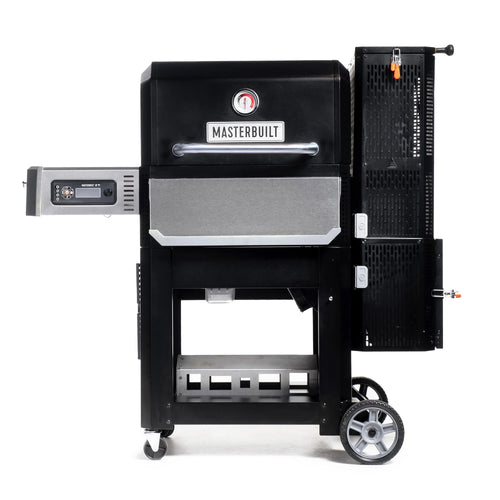
Extra features can add convenience and versatility. Look for smokers that come with racks, hooks, or storage shelves. Some models offer water pans for moisture control or side tables for prep work.
Think about what suits your cooking style. If you love experimenting with different woods or rubs, accessory compartments can keep everything organized. What accessories do you wish your current smoker had?
Credit: www.masterbuilt.com
Fuel And Charcoal Options
Choosing the right fuel and charcoal is key for smoking success. The fuel type affects flavor, burn time, and ease of use. Different options suit different smoking needs. Let’s explore your choices.
Charcoal Types
Charcoal comes in two main forms: briquettes and lump. Briquettes burn steadily and are easy to find. They offer consistent heat but may have additives. Lump charcoal burns hotter and cleaner. It’s made from natural hardwood. This gives your food a more authentic smoky flavor.
Wood Chips And Chunks
Enhance flavor with wood chips and chunks. Different woods provide distinct tastes. Hickory and mesquite are bold. Apple and cherry offer a sweeter smoke. Soak chips in water before adding them. This helps them smolder, creating more smoke.
Fuel Efficiency Tips
Efficient fuel use saves money and improves smoking. Arrange charcoal in a pyramid for even burning. Control airflow with vents to manage heat. Use a chimney starter for quick lighting. Avoid lighter fluid, which can affect taste. Keep the lid closed to maintain temperature.
Budgeting Your Purchase
Setting a budget is crucial before choosing a charcoal smoker. Knowing how much you want to spend helps narrow down options and ensures you get the best smoker for your money. It also prevents overspending on features you may not need.
Price Ranges
Charcoal smokers come in various price ranges, typically starting from around $100 and going up to $1,000 or more. Basic models under $200 are great for beginners and occasional use. Mid-range smokers, priced between $300 and $600, usually offer better build quality and more features.
High-end smokers cost $700 and above and are designed for serious enthusiasts who want durability and precision. Are you willing to pay extra for advanced temperature control or larger cooking space? Understanding these ranges helps you pick the right balance of features and cost.
Value Vs Cost
Price doesn’t always equal value. A cheaper smoker might save you money upfront but could cost more in repairs or replacements later. Look for models made from quality materials like stainless steel or thick steel, which last longer and perform better.
Think about what you really need. Would a smoker with simple controls suit your style, or do you want digital thermometers and multiple cooking racks? Sometimes paying a bit more pays off in convenience and results. How much do those extras matter to your cooking experience?
Long-term Investment
Buying a charcoal smoker isn’t just a one-time expense; it’s an investment in your cooking hobby. A durable smoker can last for years if well maintained, saving money over time. Consider warranties and customer support as part of the value you get.
Also, factor in the cost of charcoal and accessories like covers or cleaning tools. Investing in a solid smoker can inspire you to cook more often and improve your skills. What kind of smoker will encourage you to use it regularly?
Credit: www.alphamarts.com
Maintenance And Safety Tips
Proper maintenance and safety are key for a charcoal smoker’s performance. Keeping the smoker clean and storing it well protects its parts. Following safety rules prevents accidents and damage. These habits extend the smoker’s life and ensure tasty food every time.
Cleaning Techniques
Remove ashes after each use to avoid buildup. Use a wire brush to clean grates while warm. Wash grates with warm, soapy water for deep cleaning. Wipe the interior with a damp cloth to remove grease. Avoid harsh chemicals that can affect flavor. Dry all parts thoroughly before storing.
Storage Recommendations
Store the smoker in a dry, sheltered place. Cover it with a weather-resistant cover to block rain. Keep it away from moisture to prevent rust. Remove leftover charcoal before storing to avoid pests. Check the smoker regularly for signs of wear or damage. Store accessories like tongs and brushes nearby for easy use.
Safety Precautions
- Always place the smoker on a stable, fireproof surface.
- Keep children and pets away from hot surfaces.
- Never leave the smoker unattended during use.
- Use heat-resistant gloves when handling hot parts.
- Ensure proper ventilation to avoid smoke buildup.
- Store charcoal in a cool, dry place away from flames.
Tips For Perfect Bbq Results
Getting perfect BBQ results needs more than just good meat and a charcoal smoker. It requires control and care at every step. Managing temperature, knowing how long to smoke, and adding flavors can turn simple BBQ into something special. These tips help create tender, tasty meat with smoky goodness every time.
Temperature Management
Keep the smoker temperature steady for even cooking. Use vents to control airflow and heat. Avoid opening the lid too often; it lets heat escape. Use a good thermometer to check the smoker’s temperature. Aim for a range between 225°F and 275°F for most BBQ. Adjust charcoal and vents to keep heat steady.
Smoking Time Guidelines
Smoking time depends on the meat type and size. Larger cuts like brisket need more time, often 8 to 12 hours. Smaller cuts like ribs take 4 to 6 hours. Check meat tenderness with a fork or thermometer. Avoid rushing. Low and slow gives the best texture and flavor.
Flavor Enhancements
Enhance flavor with wood chips or chunks. Different woods create different smoke tastes. Hickory adds strong, bold flavor. Applewood gives a mild, sweet smoke. Soak wood chips in water for 30 minutes to slow burning. Use spice rubs or marinades before smoking. These add layers of taste to the meat.
Credit: amazingribs.com
Frequently Asked Questions
What Factors To Consider When Choosing A Charcoal Smoker?
Consider size, temperature control, build quality, and ease of cleaning. Portability and budget also impact your choice. Match the smoker to your cooking needs and space.
How Does Charcoal Type Affect Smoker Performance?
Different charcoal types burn at varied temperatures and durations. Lump charcoal burns hotter and cleaner, while briquettes provide consistent heat. Choose based on your cooking style and flavor preference.
What Size Charcoal Smoker Is Best For Beginners?
A medium-sized smoker (18-22 inches) is ideal for beginners. It offers enough cooking space without being overwhelming. It’s easier to manage temperature and smoke control.
How Important Is Temperature Control In Charcoal Smokers?
Temperature control is crucial for consistent cooking results. Adjustable vents and dampers help regulate airflow and heat. Good control prevents overcooking or undercooking your food.
Conclusion
Choosing the right charcoal smoker makes cooking more fun and tasty. Think about size, ease of use, and your budget first. A good smoker fits your space and cooking style. Don’t rush; take your time to compare features. Remember, simple tools often give the best results.
Enjoy the process and the delicious meals you create. Happy smoking!

