
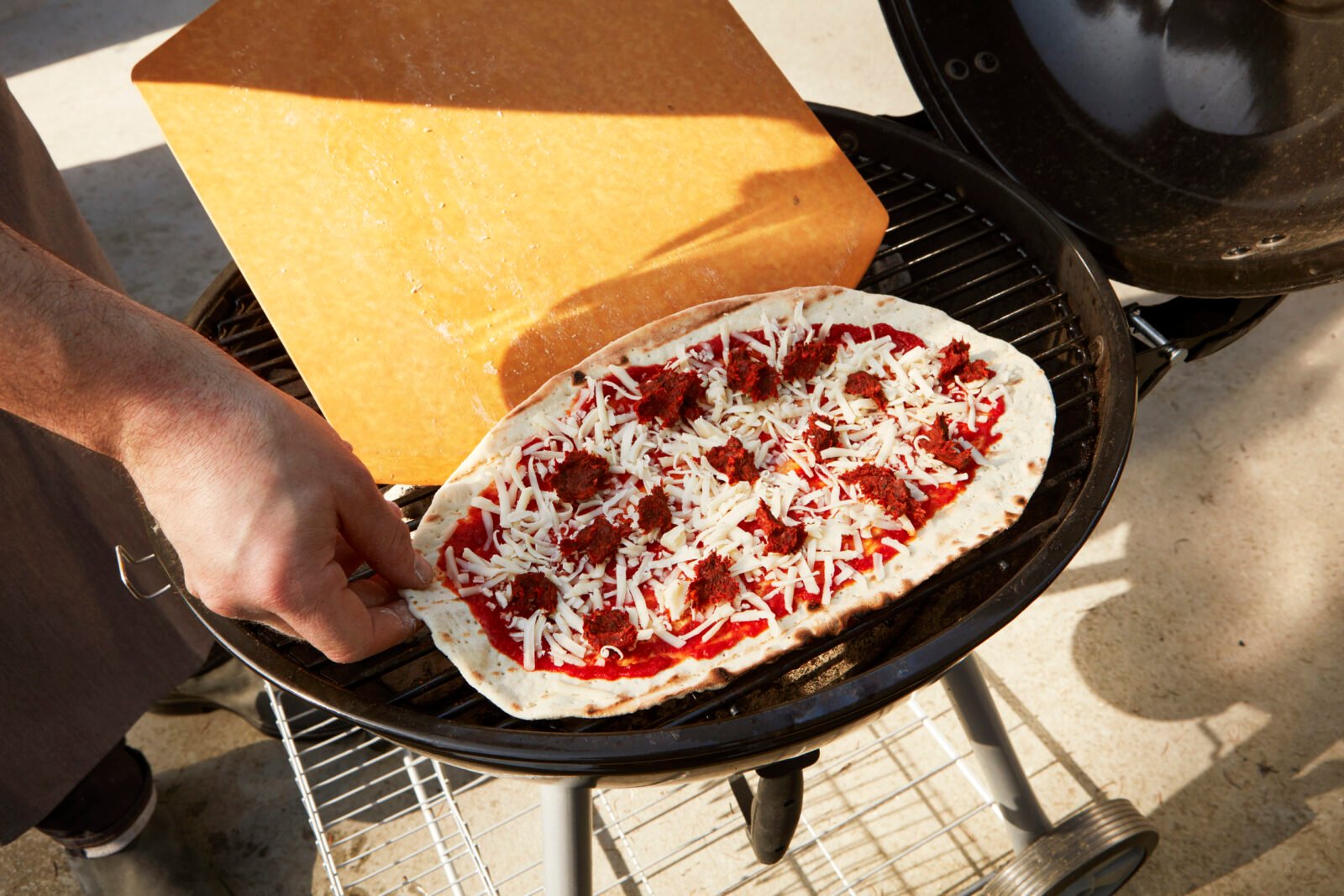
Imagine biting into a pizza with a perfectly crispy crust, smoky flavor, and gooey cheese—all made right on your charcoal grill. Using a charcoal grill for pizza isn’t just for backyard pros; you can master it too.
Whether you want to impress your friends or enjoy a delicious homemade meal, this guide will show you exactly how to use your charcoal grill to create mouthwatering pizzas. Ready to take your pizza game to the next level? Keep reading, because your taste buds are in for a treat.
Choosing The Right Charcoal Grill
Choosing the right charcoal grill is key to making delicious pizza outdoors. Not all grills handle the high, even heat pizza needs. Picking a grill that fits your space, cooking style, and pizza goals will save you frustration and improve your results.
Types Of Charcoal Grills
There are several charcoal grill styles you can use for pizza. The classic kettle grill is popular for its round shape and adjustable vents that help control temperature.
Kamado grills, made from ceramic, hold heat exceptionally well and give you consistent cooking temperatures. Their thick walls help keep the pizza crust crispy without burning.
Another option is barrel-style grills, which provide a large cooking area but require more skill to manage heat evenly. Consider your experience level and how much pizza you want to cook at once.
Essential Grill Features For Pizza
Look for grills with adjustable air vents to control airflow and temperature precisely. Pizza needs a hot, steady heat—usually between 500°F and 700°F—which means your grill must maintain these temps without constant fiddling.
A grill with a built-in thermometer is invaluable. It lets you monitor the heat without opening the lid and losing warmth.
Also, think about the grate size. You want enough room for your pizza stone or steel, which helps cook the crust evenly. A grill that can hold a pizza stone securely will improve your pizza’s texture dramatically.
Setting Up Your Grill Space
Place your grill in a well-ventilated area with enough room to move around safely. Setting up near a flat surface to prep and place your pizza tools will make the cooking process smoother.
Consider wind direction—charcoal fires react strongly to wind, which can cause hot spots or uneven cooking. Position your grill so wind won’t interfere with airflow control.
Finally, have a heat-resistant glove and long-handled tools within reach. Handling hot coals and moving pizzas quickly is safer and easier with the right gear close by.

Credit: modernistcuisine.com
Preparing The Charcoal For Pizza
Preparing the charcoal for pizza is a key step for a perfect cook. Proper charcoal setup gives the right heat and flavor. It helps cook the pizza crust evenly and adds a smoky taste.
Starting with good charcoal and managing heat zones ensures your pizza cooks well. Control over temperature prevents burning or undercooking.
Selecting Charcoal Types
Choose natural lump charcoal for high heat and less ash. It burns hotter and cleaner than briquettes.
Briquettes last longer and provide steady heat but create more ash. Avoid charcoal with added chemicals or lighter fluid.
Lighting And Heating Tips
- Use a chimney starter to light charcoal quickly and evenly.
- Fill the chimney with charcoal and place newspaper underneath.
- Light the paper and wait 15-20 minutes until coals are covered with gray ash.
- Spread the hot coals in the grill to create even heat.
Managing Temperature Zones
Create two heat zones in the grill: one for direct heat and one for indirect heat.
- Pile coals on one side for high, direct heat to crisp the pizza base.
- Leave the other side free for lower, indirect heat to cook toppings gently.
- Use the grill lid to keep heat steady and trap smoke flavor.
Dough And Toppings For Grilled Pizza
Grilling pizza on a charcoal grill requires special attention to dough and toppings. The right dough holds up to high heat and creates a crispy base. Toppings must balance flavor without overwhelming the grill’s smoky taste. Proper choices make every bite delicious and satisfying.
Ideal Dough Consistency
Choose dough that is soft but firm enough to stretch. It should not be sticky or too dry. A slightly tacky dough is easy to shape and handle. Let the dough rest at room temperature before grilling. This improves elasticity and prevents tearing. Thicker dough works better for charcoal grilling to avoid burning.
Best Sauces And Cheeses
Use sauces that are not too watery to avoid soggy pizza. Tomato-based sauces with herbs add great flavor. White sauces like garlic cream can also work well. Pick cheeses that melt quickly and brown nicely, such as mozzarella. Mixing mozzarella with a bit of cheddar or parmesan adds richness and taste.
Choosing Fresh Toppings
Select toppings that grill well and cook quickly. Thinly sliced vegetables like bell peppers, onions, and mushrooms are ideal. Use pre-cooked meats or quick-cooking options like pepperoni. Fresh herbs like basil or oregano enhance flavor after grilling. Avoid heavy toppings that release too much moisture or take long to cook.
Grilling Techniques For Perfect Pizza
Charcoal grills give pizza a smoky flavor and crispy crust. Heat the coals evenly and use indirect heat to cook the pizza slowly. Rotate the pizza often to avoid burning and achieve a perfect golden finish.
Grilling Techniques for Perfect Pizza Making pizza on a charcoal grill can seem daunting, but with the right techniques, you can achieve that sought-after crispy crust and perfectly melted cheese. Grilling pizza offers a unique flavor that’s hard to replicate in a conventional oven. The smoky aroma infuses into the dough, creating a taste sensation that will keep your guests coming back for more. Let’s explore the essential techniques to elevate your pizza grilling game.Using A Pizza Stone Or Steel
A pizza stone or steel is your best friend for even heat distribution. They absorb heat from the grill and help cook the crust evenly, preventing soggy bottoms. Preheat your stone or steel on the grill for at least 30 minutes. Place it directly on the grates and close the lid to trap the heat. This setup mimics the conditions of a traditional pizza oven. Have you ever tried using both? It could change your pizza game forever.Placing Pizza On The Grill
Transferring your pizza onto the grill can be tricky, but a pizza peel makes it much easier. Lightly flour the peel to prevent sticking. When you’re ready to grill, swiftly slide your pizza onto the hot stone or steel. Closing the grill lid is crucial to maintaining an even temperature. It also helps melt the cheese and cook the toppings thoroughly. Do you prefer a classic Margherita or something more adventurous?Monitoring And Adjusting Heat
Keeping an eye on the grill temperature is key to perfecting your pizza. Use a grill thermometer to ensure it stays between 450°F and 500°F. If the heat gets too intense, adjust the vents to lower the temperature. Remember, every grill is different, so you may need to tweak the settings slightly. Rotate your pizza halfway through cooking for even results. How do you handle uneven hotspots on your grill?Cooking Time And Visual Cues
Mastering the cooking time and spotting the right visual cues can make your charcoal-grilled pizza stand out. Unlike oven baking, grilling requires your full attention to heat and timing. You’ll learn to trust your eyes and instincts to achieve that perfect balance of crispy crust and melted toppings.
How Long To Grill
Typically, a pizza takes about 8 to 12 minutes on a charcoal grill. The key is to maintain a medium-high heat, around 500°F (260°C). Start by grilling the dough directly on the grate for 2-3 minutes until you see grill marks, then flip it.
After flipping, add your toppings quickly and close the lid. Keep an eye on it, as the pizza will cook fast—usually within 5 to 7 minutes more. If your coals are too hot, the crust might burn before the cheese melts, so adjust the distance or heat accordingly.
Signs Of A Perfect Crust
Look for a golden-brown color with some charred spots—that’s a sign of smoky flavor and crispiness. The crust should feel firm but still have a slight bounce when you press gently. If it’s too soft or doughy, it needs more time; too hard or blackened means it’s overcooked.
Also, check the cheese and toppings: the cheese should be bubbly and lightly browned. You want a balance—no soggy middle or burnt edges. Have you noticed how small bubbles form on the crust before it’s done? That’s your cue to flip or remove it.
Avoiding Common Pitfalls
- Don’t rush the dough on the grill.Place it down and wait for it to develop grill marks before flipping.
- Watch your heat.Too hot and you’ll burn the bottom, too cool and the pizza will dry out.
- Use a pizza stone or heavy pan for delicate toppings.It helps prevent toppings from falling through the grate.
- Keep the lid closed.This traps heat and cooks toppings evenly.
- Check often but don’t poke too much.Opening the grill frequently drops the temperature and slows cooking.
Have you ever taken your eyes off the grill only to find a burnt mess? Staying attentive is the best way to avoid that. Cooking pizza on charcoal is a skill you sharpen by watching and adjusting as you go.

Credit: www.youtube.com
Cleaning And Maintaining Your Grill
Cleaning and maintaining your charcoal grill is essential for great pizza and safe cooking. A clean grill improves flavor and heat control. Regular care stops rust and damage. It keeps your grill ready for every pizza night.
Post-grilling Cleanup
Start by letting the grill cool down but stay warm. Use a grill brush to remove leftover food and ashes. Empty the ash catcher once it cools completely. Wipe the grill grates with a damp cloth to clear grease. For tough spots, soak grates in warm, soapy water before scrubbing. Clean the exterior with a mild detergent and soft cloth. Always dry all parts to avoid rust.
Extending Grill Lifespan
Cover your grill with a waterproof cover after each use. Store the grill in a dry place during bad weather or winter. Check bolts and hinges; tighten if loose. Oil the grates lightly to prevent rust and keep food from sticking. Avoid using harsh chemicals that can damage your grill. Replace worn parts like grates or handles promptly. Regular maintenance keeps the grill working well for years.
Safety Tips For Charcoal Grilling
- Always grill outside in a well-ventilated area.
- Keep a fire extinguisher or water source nearby.
- Never leave the grill unattended while hot.
- Use long-handled tools to avoid burns.
- Wear heat-resistant gloves when handling hot parts.
- Let coals cool completely before disposing of ashes.
- Keep children and pets away from the grill area.

Credit: modernistcuisine.com
Frequently Asked Questions
How Do I Prepare A Charcoal Grill For Pizza?
Start by lighting the charcoal and letting it ash over. Spread the coals evenly for consistent heat. Preheat the grill with the lid closed for 10-15 minutes before placing the pizza.
What Is The Ideal Temperature For Grilling Pizza?
Aim for a grill temperature between 500°F and 600°F. This range cooks the pizza quickly and creates a crispy crust without burning.
How Long Does Pizza Take On A Charcoal Grill?
Pizza generally cooks in 7-10 minutes on a charcoal grill. Keep the lid closed and check frequently to avoid overcooking.
Should I Use A Pizza Stone On A Charcoal Grill?
Yes, a pizza stone helps distribute heat evenly. It prevents burning and ensures a crisp, well-cooked crust on your charcoal grill.
Conclusion
Using a charcoal grill for pizza brings great flavor and fun. Keep the heat steady and watch your pizza cook closely. Try different toppings and enjoy the smoky taste. Practice will help you make better pizzas each time. Share your tasty creations with friends and family.
Grilling pizza outside can turn any meal into a special event. Remember, simple steps lead to delicious results. Give it a go and enjoy your homemade grilled pizza!

