
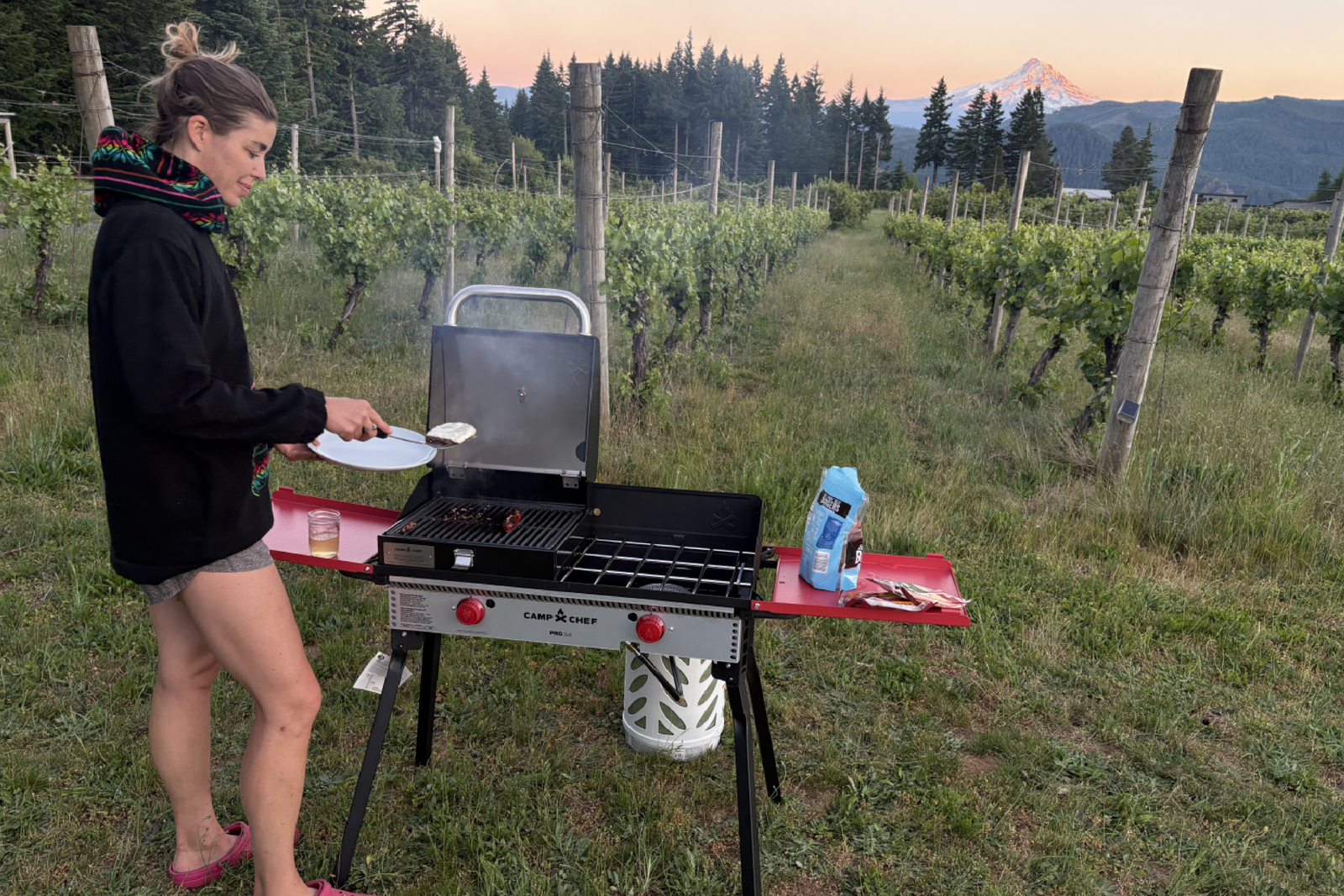
Planning a family BBQ that everyone will remember starts with the right tools—and a portable grill is a game changer. Imagine the smell of sizzling burgers, the sound of laughter, and the joy of sharing a meal outdoors, all made easy because you know exactly how to use your portable grill.
Whether you’re a beginner or just want to make your BBQ smoother and tastier, this guide will walk you through simple steps to get the most out of your grill. Ready to become the BBQ hero your family will thank you for?
Let’s dive in!
Choosing The Right Portable Grill
Choosing the right portable grill is key for a fun family BBQ. The ideal grill should fit your space, cooking style, and family size. It must be easy to carry and simple to use. Picking the wrong grill can make cooking harder and less enjoyable. Think about where you will use it and how often. This helps in finding a grill that meets your needs without extra hassle.
Types Of Portable Grills
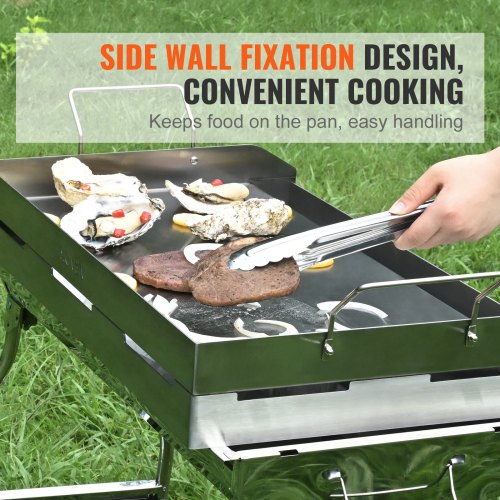
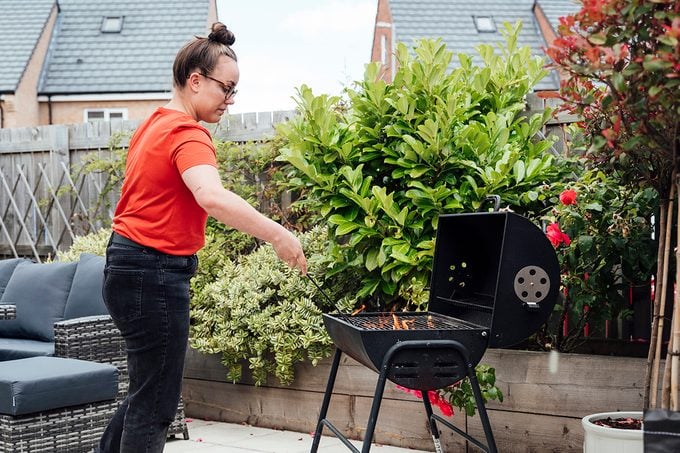
There are several types of portable grills. Charcoal grills give a smoky flavor but take longer to heat. Gas grills heat quickly and are easy to control. Electric grills work well in places where open flames are not allowed. Pellet grills offer precise temperature control and a unique taste. Choose a type that matches your cooking style and taste preference.
Size And Capacity
Grill size affects how much food you can cook at once. Small grills are good for quick meals or few people. Larger grills suit big families or gatherings. Think about the number of people you usually cook for. Also, check the cooking surface area in square inches. A grill with enough space helps cook food evenly and faster.
Fuel Options
Fuel type impacts convenience and flavor. Charcoal needs more time to start but adds rich flavor. Propane is easy to light and control heat. Electric grills plug into power and are very clean. Some grills use wood pellets for a smoky taste. Choose a fuel that fits your cooking place and taste.
Portability Features
Portability is about how easy it is to carry and store the grill. Look for lightweight models with carry handles or wheels. Foldable legs or compact design help save space. Check if the grill fits in your car or storage area. Good portability means you can take the grill anywhere with less effort.
Credit: www.vevor.ca
Setting Up Your Grill Safely
Setting up your portable grill safely is the foundation of a successful family BBQ. It not only protects your loved ones but also ensures your cooking experience is smooth and enjoyable. Taking the time to prepare your grill properly can prevent accidents and make your outdoor gathering stress-free.
Selecting The Perfect Location
Choose a spot that is flat and stable to avoid tipping over. Keep the grill at least 10 feet away from any structures, trees, or flammable materials.
Think about wind direction too—placing your grill upwind prevents smoke from blowing into your guests’ faces. Have you noticed how a small breeze can change your BBQ vibe completely?
Assembling The Grill
Lay out all parts before starting to assemble to make sure nothing is missing. Follow the manufacturer’s instructions closely, especially for attaching gas lines or charcoal trays.
Double-check that all screws and bolts are tight but avoid over-tightening as it can damage components. A well-assembled grill won’t just last longer, it will also cook more evenly.
Safety Precautions
- Keep a fire extinguisher or bucket of sand nearby:Accidents can happen fast, and quick action matters.
- Never leave the grill unattended:Stay close whenever it’s hot or lit to react immediately if something goes wrong.
- Use heat-resistant gloves and long-handled tools:Protect yourself from burns while flipping burgers or adding charcoal.
- Ensure proper ventilation:Avoid grilling indoors or inside enclosed spaces to prevent dangerous gas buildup.
Have you ever thought about how a simple safety step might save your BBQ day? Taking these precautions seriously keeps your focus where it belongs—on good food and great company.
Preparing For The Bbq
Preparing for a family BBQ with a portable grill is more than just packing your gear and heading outside. Thoughtful preparation ensures the day flows smoothly and everyone enjoys delicious, well-cooked food. Taking time to organize your tools, recipes, and ingredients sets the stage for a memorable gathering.
Essential Tools And Accessories
Make sure you have the right tools to handle your portable grill efficiently. Basic items include a grill brush for cleaning, tongs, a spatula, and heat-resistant gloves. Don’t forget a meat thermometer to check doneness — it can save you from serving undercooked food.
Consider bringing aluminum foil, a spray bottle with water for flare-ups, and a sturdy table or stand if your grill doesn’t come with one. Packing a cooler with ice packs keeps perishable ingredients fresh until you’re ready to cook. Have you ever arrived at a BBQ only to realize you forgot the charcoal or propane? Double-check your fuel supply before you leave.
Selecting Family-friendly Recipes
Choose recipes that please a variety of tastes and ages. Simple grilled chicken, veggie skewers, and classic burgers usually hit the spot. Think about sides that are easy to prepare and serve, like corn on the cob or a fresh salad.
Try to include at least one dish that can be made ahead, so you’re not tied to the grill all day. What’s one recipe your family keeps asking for? Consider making that your BBQ highlight. Offering a few options also helps accommodate picky eaters without stress.
Marinating And Prepping Ingredients
Marinate meats and veggies a few hours before grilling to boost flavor and tenderness. Use simple marinades with ingredients like olive oil, lemon juice, garlic, and herbs. Keep everything covered and refrigerated until it’s time to cook.
Chop vegetables and assemble skewers at home to save time outdoors. Pre-cutting also reduces the mess and lets you focus on grilling and spending time with your family. Have you tried marinating fruit like pineapple or peaches? Grilled fruit adds a surprising sweet touch to your BBQ menu.
Grilling Techniques For Beginners
Grilling is a fun way to cook outdoors with family. Beginners can enjoy easy steps that bring great taste. Understanding basic grilling techniques helps make every barbecue a success. Start with simple rules to control heat, cook various foods, and check temperatures. This approach keeps food safe and delicious.
Controlling Heat Levels
Heat control is key to good grilling. Portable grills often have adjustable vents or knobs. Use them to create different heat zones.
- High heat cooks food quickly and adds grill marks.
- Medium heat cooks food evenly without burning.
- Low heat is good for slow cooking and warming.
Place food on the grill according to the heat needed. Move items to cooler spots if they cook too fast.
Cooking Different Types Of Food
Different foods need different cooking times and heat.
- Meat like burgers and steaks cooks best over high heat.
- Vegetables need medium heat to avoid burning.
- Fish requires gentle heat and careful flipping.
- Keep thinner items on the grill for less time.
Use tongs or spatulas to turn food carefully. Avoid pressing meat to keep it juicy.
Using Grill Thermometers
Grill thermometers help check food temperature inside. This stops undercooking or overcooking.
- Insert the thermometer into the thickest part of the meat.
- Wait a few seconds for an accurate reading.
- Know safe temperatures: 165°F for chicken, 145°F for beef.
Thermometers also check grill heat for better cooking control.
Tips For Efficient Cooking
Efficient cooking on a portable grill can make your family BBQ smoother and more enjoyable. It’s about controlling heat, coordinating dishes, and keeping everything ready to serve. Mastering these tips helps you spend less time stressing and more time enjoying the company.
Managing Flare-ups
Flare-ups happen when fat drips onto the flames, causing sudden bursts of fire. Keep a spray bottle of water nearby to quickly douse small flames without cooling the grill too much.
Move food away from high flames if you notice charring or burning. Adjusting the grill vents can also control oxygen flow and reduce flare-ups.
Timing Multiple Dishes
Cooking several items at once requires planning. Start with foods that take longer to cook, like thick chicken breasts or sausages.
Use the cooler side of the grill for items that cook quickly or need gentle heat, such as vegetables or fish. This way, you can keep everything ready around the same time without overcooking.
Keeping Food Warm
After cooking, place food on the grill’s cooler side or wrap it in foil to retain heat. Avoid stacking hot items tightly; air circulation keeps them from getting soggy.
Consider using a warming tray or insulated container if you’re serving in stages. This keeps your food tasty and at the right temperature for everyone.
Credit: www.tasteofhome.com
Cleaning And Maintenance
Clean the grill grates after each use to prevent food buildup and rust. Check fuel levels and store the grill in a dry place to keep it working well. Regular maintenance ensures safe, tasty meals for your family BBQ.
Cleaning and maintaining your portable grill ensures tasty BBQs every time. It keeps your grill in top condition and extends its lifespan. A clean grill also prevents unwanted flavors from sticking to your food. Here’s a guide on how to keep your portable grill spotless and ready for the next family BBQ.Post-bbq Cleaning Steps
After each BBQ, cleaning your grill is essential. Start by turning off the grill and letting it cool. Remove food particles with a grill brush. Scrub the grates with warm soapy water. Rinse them thoroughly and dry with a clean cloth. Wipe down the exterior with a damp cloth. Ensure every part is dry before storing.Regular Maintenance Tips
Regular maintenance keeps your grill running smoothly. Check for rust or damage on the grill grates. Oil the grates to prevent rust. Inspect gas connections for leaks using soapy water. Tighten any loose screws or bolts. Replace any worn-out parts promptly.Storing Your Portable Grill
Proper storage protects your grill from weather damage. Store it in a dry, sheltered area. Cover the grill with a waterproof cover. Ensure the cover fits snugly to prevent dust and moisture. Keep it away from direct sunlight or rain. Regularly check the grill for signs of pests or rust.Enhancing The Family Bbq Experience
Enhancing your family BBQ experience goes beyond just grilling food. It’s about creating a space where everyone feels relaxed and involved. Using a portable grill gives you flexibility, but pairing it with thoughtful preparation makes the gathering memorable.
Setting Up A Comfortable Space
Think about where your family will gather around the grill. Choose a flat, open area with enough seating for everyone. Adding cushions or portable chairs can make a big difference in comfort.
Consider shade options, especially on sunny days. A simple pop-up canopy or umbrella can protect from the heat and keep everyone cool. Lighting is important too—string lights or lanterns extend the fun into the evening.
Fun Activities And Games
Keep your family entertained with easy, inclusive games. Try classics like cornhole, frisbee, or a simple scavenger hunt around your yard. These activities get everyone moving and laughing together.
Have a playlist ready to set the mood. Music can energize the atmosphere and encourage sing-alongs or dance-offs. When was the last time you saw your family try a new game or challenge? It can spark fresh memories.
Serving Suggestions
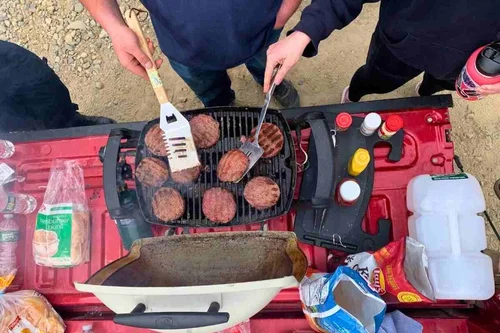
Make serving simple but exciting. Use colorful plates and bowls to display your grilled foods and sides. Let family members build their own plates with a variety of options like grilled veggies, meats, and fresh salads.
Don’t forget easy-to-handle snacks and finger foods for kids and adults alike. Think grilled corn on the cob, sliders, or kebabs. How can you add a personal twist to your BBQ menu that everyone will remember?
Credit: www.treelinereview.com
Frequently Asked Questions
What Are The Best Portable Grills For Family Bbqs?
The best portable grills are compact, lightweight, and offer consistent heat. Look for models with easy ignition and adjustable temperature controls. Popular choices include propane, charcoal, and electric grills. Choose one that suits your cooking style and family size for optimal BBQ experiences.
How Do I Safely Use A Portable Grill Outdoors?
Place the grill on a stable, flat surface away from flammable materials. Always keep a fire extinguisher nearby. Never leave the grill unattended while in use. Follow manufacturer safety instructions and ensure proper ventilation to avoid carbon monoxide buildup during your family BBQ.
What Foods Cook Best On A Portable Grill?
Portable grills work well with burgers, hot dogs, chicken, veggies, and seafood. They provide even heat for grilling small to medium-sized portions. Marinate meats beforehand for enhanced flavor. Use grill baskets for delicate items to prevent sticking or falling through the grates.
How Can I Clean A Portable Grill After Use?
Allow the grill to cool completely before cleaning. Remove ashes or grease with a grill brush or scraper. Wipe grates with a damp cloth and mild soap if needed. Regular cleaning extends grill life and keeps your family BBQ safe and enjoyable.
Conclusion
Using a portable grill makes family BBQs simple and fun. It fits easily in small spaces and cooks food quickly. You can grill anywhere—parks, beaches, or your backyard. Clean-up is fast, so you spend more time with loved ones. Remember to follow safety tips and prepare your grill well.
Enjoy tasty meals and good moments together. Portable grills bring everyone closer around the fire. Give it a try on your next family gathering. Great food, fresh air, and smiles—what could be better?

