
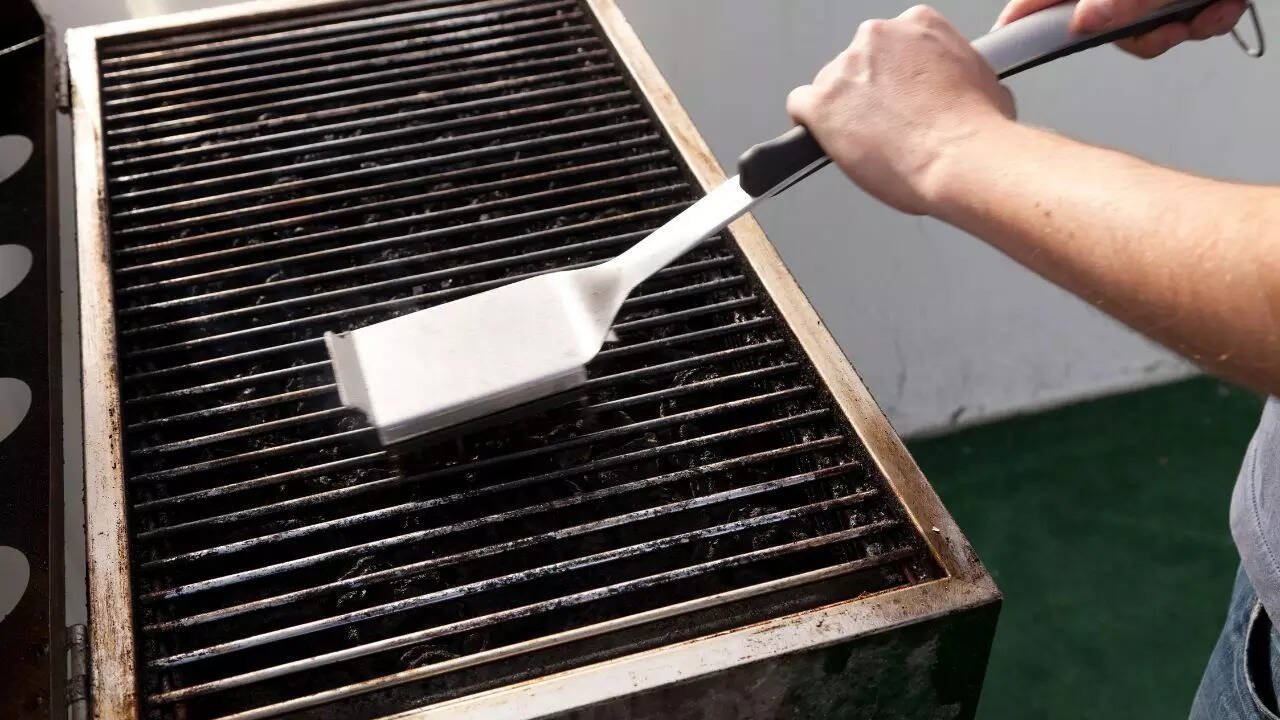
If you love grilling, you know how important a good grill brush is to keep your cooking surface clean and safe. But have you ever stopped to think about how you care for your grill brush?
Taking a few simple steps to maintain your brush can save you money and keep it working like new for many cookouts to come. You’ll discover easy tips to extend the life of your grill brush, so it stays effective and reliable every time you fire up the grill.
Ready to make your grill brush last longer and protect your food? Let’s dive in!
Credit: www.consumerreports.org
Choosing The Right Grill Brush
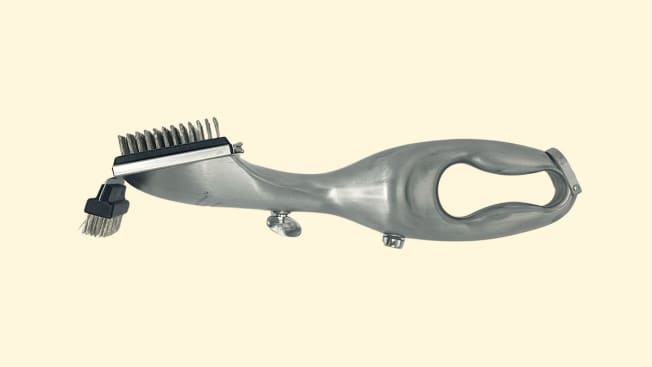
Choosing the right grill brush is key to keeping your grill clean and safe. A good brush cleans well and lasts long. It also helps prevent damage to your grill surface. Picking the correct type and material affects how well the brush works and how safe it is to use.
Types Of Grill Brushes
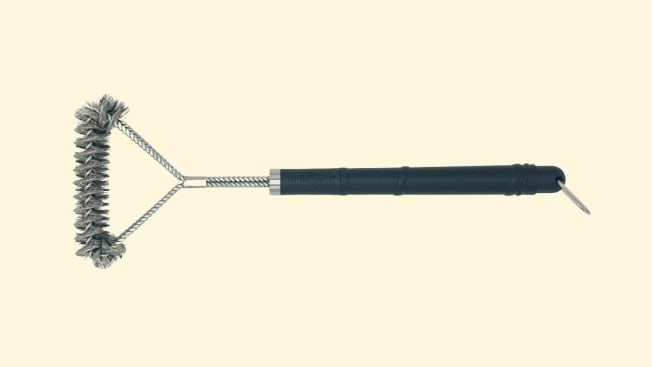
- Wire Brushes: Most common and effective for tough grime.
- Brass Bristle Brushes: Softer than steel, gentle on grills.
- Plastic Bristle Brushes: Safe for delicate surfaces but less durable.
- Scraper Brushes: Have metal scrapers for stuck-on food.
- Silicone Brushes: Heat resistant and easy to clean, but less abrasive.
Materials That Last
- Stainless Steel: Resists rust and lasts through heavy use.
- Brass: Durable and softer on grill grates.
- Silicone: Long-lasting, easy to clean, and heat resistant.
Choose materials that handle heat well and resist wear. This saves money and effort over time.
Safety Considerations
- Check for loose bristles before and after each use.
- Avoid brushes with easily detachable parts.
- Replace brushes regularly to prevent bristle loss.
- Consider bristle-free options to avoid ingestion risks.
Safety protects both your health and your grill’s condition.
Credit: themeatstick.com
Cleaning After Each Use
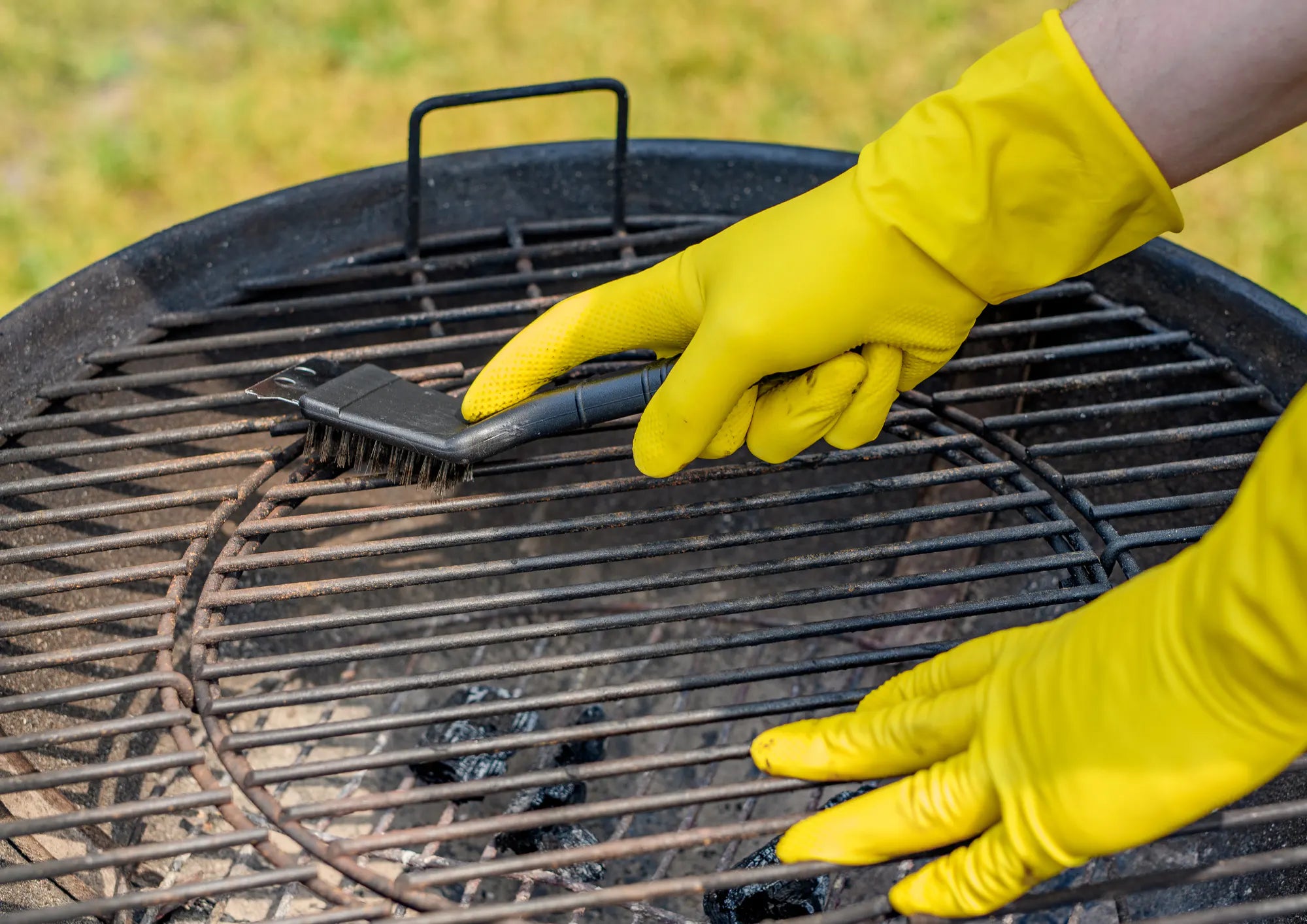
Cleaning your grill brush after every use keeps it effective and safe. Dirt and grease build up quickly on grill brushes. Removing this grime stops rust and keeps bristles strong. Regular cleaning extends the life of your tool and improves grilling results.
Removing Residue
Start by tapping the brush on a hard surface. This helps loosen stuck food and grease. Use a wire comb or another brush to scrape off burnt particles. Avoid using sharp tools that can damage bristles. Removing residue prevents buildup and maintains brush strength.
Soaking Techniques
Soak your grill brush in warm water to soften grease and grime. Use a container large enough to hold the brush fully. Let it soak for 10 to 15 minutes for best results. Soaking loosens stubborn dirt, making cleaning easier and faster.
Using Soap And Water
Mix warm water with a few drops of dish soap. Dip the brush and scrub bristles with a sponge or cloth. Rinse thoroughly to remove all soap and residue. Dry the brush completely before storing it away. Soap and water remove oils and food particles effectively.
Proper Storage Methods
Proper storage methods keep your grill brush in good shape longer. Storing it right stops rust and wear. It also keeps the bristles strong for effective cleaning. Follow simple steps to protect your brush after every use.
Drying Thoroughly
After cleaning the brush, shake off extra water. Wipe it with a dry cloth. Leave it in a sunny spot or a well-ventilated area. Make sure it is completely dry before storing. Wet brushes rust fast and lose bristle strength.
Avoiding Moisture Damage
Never store the grill brush where moisture collects. Avoid damp basements or places near water. Moisture causes metal parts to corrode. Use moisture absorbers or silica gel packs in storage areas. These keep the environment dry and protect your brush.
Safe Storage Spots
Choose a place where the brush won’t get damaged or dirty. Hang the brush using a hook or pegboard. Keep it away from heavy tools that can bend bristles. Store it in a clean, dry cupboard or garage shelf. Proper spots help maintain the brush’s shape and usability.
Inspecting For Wear And Tear
Inspecting your grill brush regularly is key to keeping it effective and safe. Over time, brushes face heat, grease, and wear that can cause damage. Taking a few moments to check for wear and tear can save you from a frustrating grilling session or even injury.
Checking Bristles
Look closely at the bristles each time before you use your brush. Are they bent, missing, or loose? Bristles that fall out easily can end up in your food, which is a serious hazard.
Run your fingers lightly over the bristles to feel for any that are weak or broken. If you notice a lot of bristle loss, it’s a sign your brush is past its prime. You want firm bristles that hold their shape and clean well without breaking off.
Handling Loose Parts
Shake your brush and listen for rattling or clinking sounds. Loose parts like the brush head or handle can be dangerous and reduce cleaning power. Tighten any screws or fittings if possible, or secure loose handles with strong tape for a temporary fix.
Check the connection between the handle and brush head. If it feels wobbly or detached, it can make scrubbing difficult and unsafe. A solid grip is crucial for controlled, effective cleaning.
When To Replace
Ask yourself: Is your brush still cleaning well without shedding bristles? If not, it’s time for a replacement. Using an old, damaged brush can scratch your grill or leave dangerous bits behind.
Replacing your brush regularly keeps your grill in top shape and protects your food. Don’t wait until you spot a problem—inspect your brush after every few uses to catch issues early. Have you checked your grill brush today?
Extending Brush Life With Maintenance
Maintaining your grill brush is essential for ensuring its longevity. Regular care can make your brush last longer and function better. Here are some easy ways to extend the life of your grill brush.
Regular Deep Cleaning
Deep cleaning your grill brush removes grease and debris. Use warm, soapy water to wash the bristles thoroughly. Rinse with clean water to remove soap residue. Let the brush dry completely before storage. Regular cleaning keeps your brush effective for longer.
Using Protective Covers
Protective covers shield your brush from dust and dirt. Store your brush in a cover after each use. This prevents damage and keeps the bristles in good condition. Covers also protect the brush from moisture, reducing rust risk.
Avoiding Harsh Chemicals
Harsh chemicals can damage your grill brush. Use mild soap or natural cleaners for washing. Avoid bleach and other strong agents. These can weaken bristles and shorten brush life. Gentle products keep your grill brush safe and effective.
Credit: www.consumerreports.org
Frequently Asked Questions
How Often Should I Clean My Grill Brush?
Clean your grill brush after every use. This prevents grease buildup and removes food particles. Regular cleaning keeps bristles effective and extends brush life.
What Is The Best Way To Clean Grill Brushes?
Use warm, soapy water and a stiff brush to clean. Rinse thoroughly and air dry. Avoid harsh chemicals that can damage bristles or handle.
Can Grill Brushes Be Safely Stored Outside?
Store grill brushes in a dry, covered place. Exposure to rain or moisture causes rust and weakens bristles. Proper storage ensures longevity and hygiene.
When Should I Replace My Grill Brush?
Replace your brush if bristles are bent, missing, or rusty. Worn brushes risk contaminating food. Regular inspection ensures safe and efficient cleaning.
Conclusion
Keeping your grill brush clean helps it last longer. Always remove grease and food bits after use. Store it in a dry place to prevent rust. Check the bristles often for wear or damage. Replace the brush when bristles fall out or bend.
Taking these small steps saves money and keeps your grill safe. Enjoy cooking with a well-maintained grill brush every time. Simple care makes a big difference in how long it lasts.

