
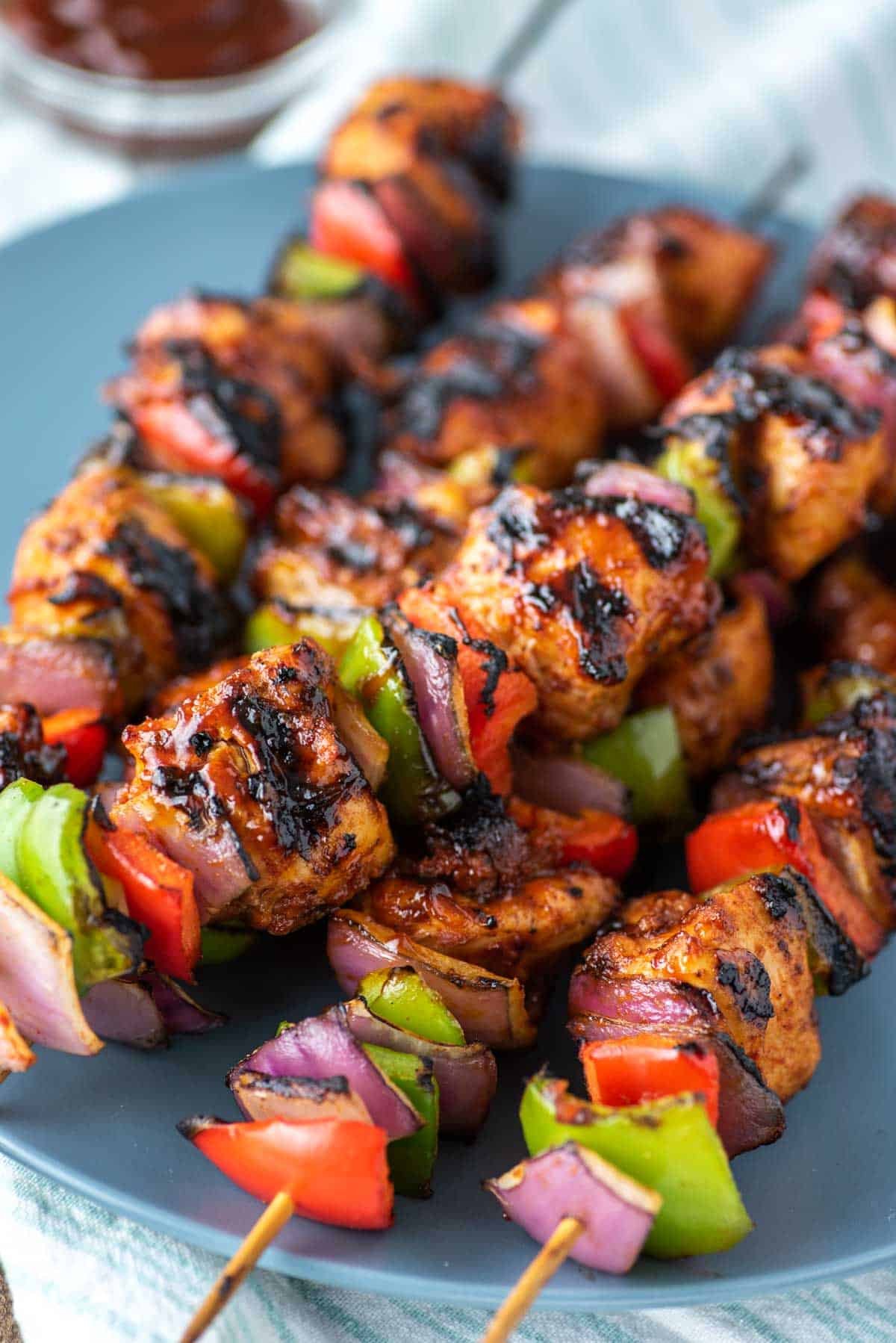
If you want to take your BBQ skills to the next level, learning how to use skewers is a game changer. Skewers make grilling easier, faster, and more fun.
Imagine juicy pieces of meat, colorful veggies, and tasty marinades all cooked perfectly on a stick. Whether you’re a beginner or a BBQ pro, mastering skewers will help you impress your friends and enjoy delicious meals every time. Keep reading to discover simple tips and tricks that will turn your next BBQ into a mouth-watering success.
Choosing The Right Skewers
Choosing the right skewers is key for a successful BBQ. The type you pick affects cooking time, food safety, and ease of use. Different materials and sizes suit different recipes and grills. Knowing what to choose helps you cook evenly and enjoy your meal.
Metal Vs Wooden Skewers
Metal skewers last longer and handle heat well. They do not burn and are easy to clean. Metal ones often have a flat shape to keep food from spinning.
Wooden skewers are inexpensive and disposable. Soak them in water for 30 minutes before grilling. This prevents burning and adds safety. They are great for quick meals or parties.
Skewer Length And Thickness
Choose longer skewers for larger grills or many pieces. Short ones are good for small portions or indoor use. Thickness matters too. Thick skewers hold heavy foods like steak well.
Thin skewers heat faster but may bend with heavy food. Match skewer size to the food and grill space. This ensures even cooking and easy turning.
Reusable Skewer Options
- Stainless steel skewers resist rust and last years.
- Bamboo skewers with handles can be reused after cleaning.
- Silicone-coated skewers offer non-stick surfaces for easy food release.
- Twisted metal skewers help hold food more firmly.
Reusable skewers save money over time and reduce waste. Clean them properly after use to keep them safe.
Preparing Skewers For Grilling
Preparing skewers for grilling is a key part of a successful BBQ. Proper preparation ensures even cooking and enhances the taste of your food. Different types of skewers need different care before placing them on the grill. Wooden skewers must be soaked to prevent burning, while metal skewers benefit from preheating. Adding seasoning to skewers can also boost flavor and make your BBQ more delicious.
Soaking Wooden Skewers
Wooden skewers absorb water to avoid burning on the grill. Soak them in water for at least 30 minutes before use. Use a deep dish or container to keep them fully submerged. You can add herbs or spices to the soaking water for subtle flavor. This step keeps the skewers moist and protects your food from charring.
Preheating Metal Skewers
Metal skewers heat quickly and evenly, but preheating is important. Place metal skewers on the grill for a few minutes before adding food. This helps prevent sticking and speeds up cooking. Preheated skewers also create nice grill marks on your meat and vegetables. Use tongs to handle hot skewers safely.
Seasoning For Extra Flavor
Seasoning skewers adds taste to your BBQ items. Brush skewers with olive oil to stop food from sticking. Sprinkle salt, pepper, or your favorite spices on the skewers. You can rub minced garlic or herbs directly onto wooden skewers. This simple step makes every bite more flavorful and enjoyable.
Selecting Ingredients For Skewers
Choosing the right ingredients for your BBQ skewers sets the stage for a delicious meal. The balance of meats, vegetables, and flavors brings the dish to life. Careful selection ensures even cooking and great taste.
Focus on items that grill well and complement each other. This creates a colorful and tasty skewer that everyone will enjoy. Think about texture, cooking time, and flavor combinations for the best results.
Best Meats For Skewers
- Chicken breast or thighs – tender and cooks evenly
- Beef sirloin or ribeye – juicy and flavorful
- Pork tenderloin – lean and quick to grill
- Lamb cubes – rich taste, pairs well with herbs
- Shrimp or scallops – fast cooking seafood options
Vegetables That Grill Well
- Bell peppers – sweet and colorful
- Zucchini – softens nicely and grills fast
- Red onion – adds a mild, sweet flavor
- Cherry tomatoes – juicy bursts when cooked
- Mushrooms – absorb marinades and stay firm
Combining Flavors And Textures
Mix tender meats with firm vegetables. This balance prevents overcooking or undercooking. Alternate colors and shapes for visual appeal. Consider marinating meats and vegetables separately for enhanced taste. A variety of flavors keeps each bite exciting.
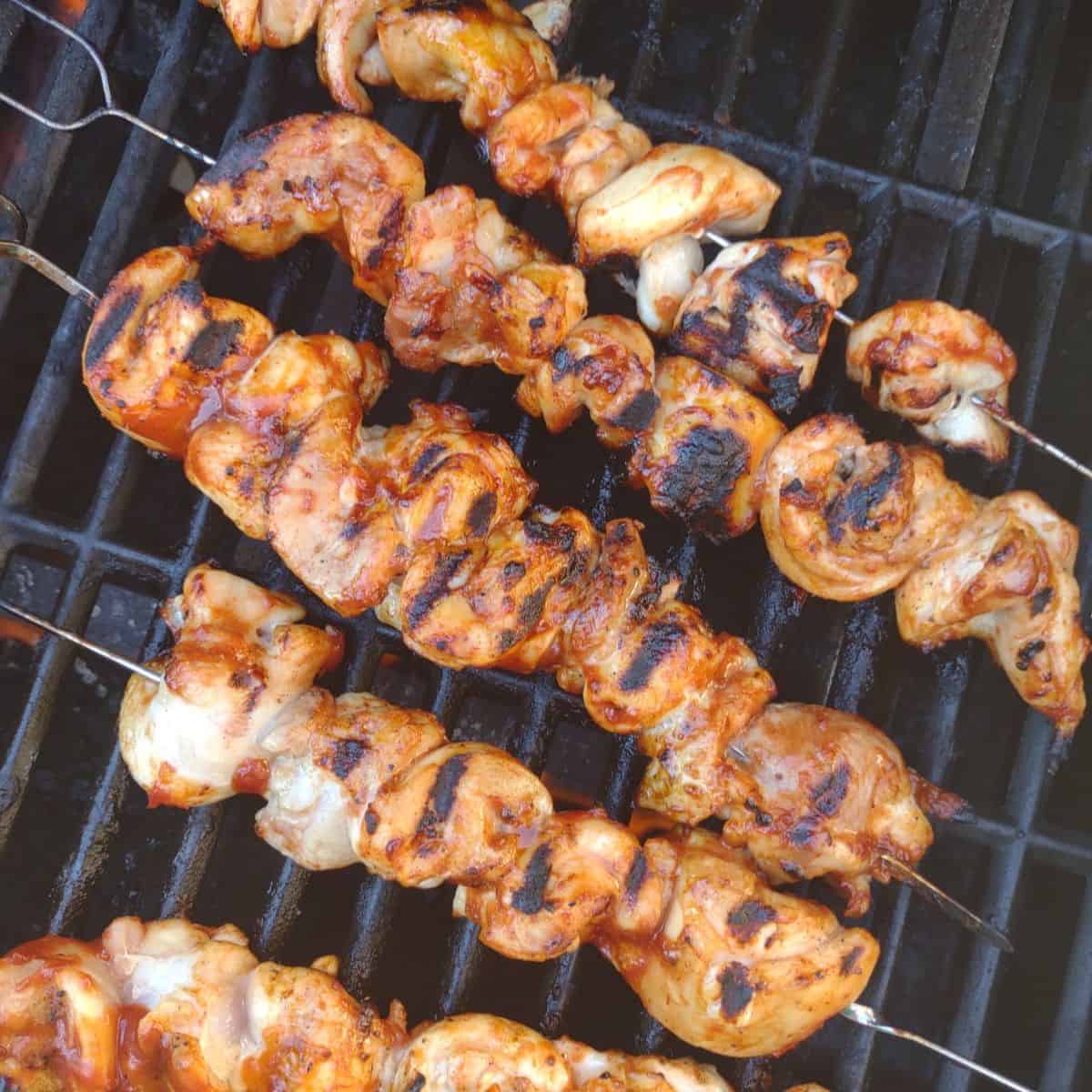
Credit: www.eatlikenoone.com
Assembling Skewers Like A Pro
Skewers help hold meat and vegetables tightly for even cooking on the grill. Thread ingredients carefully to prevent slipping and ensure quick grilling. Use soaked wooden or metal skewers for best results.
Assembling skewers for BBQ can be an art. Getting the right balance of flavors and textures is key. For a successful BBQ, assemble your skewers with precision. Here are some tips to help you become a skewer pro.Cutting Ingredients Uniformly
Uniform cuts cook evenly on the grill. Make each piece similar in size. This helps in achieving consistent cooking. It ensures no piece is overcooked or undercooked. Use a sharp knife for clean cuts.Alternating Meat And Veggies
Mix meat and veggies for a tasty skewer. Alternate them for a balanced flavor. This method allows juices from the meat to enhance the veggies. It adds variety to each bite. Choose veggies that complement your meat choice.Avoiding Overcrowding
Give each piece space to cook. Overcrowding can lead to uneven cooking. Allow some room between pieces. This helps heat circulate around each ingredient. It ensures everything cooks thoroughly.Grilling Techniques For Skewers
Mastering grilling techniques for skewers can turn a simple BBQ into a flavor-packed experience. The key lies in controlling heat, turning skewers properly, and using marinades or basting to enhance taste. These skills help you cook food evenly and keep it juicy.
Managing Grill Heat
Controlling the heat on your grill is crucial for perfect skewers. Use a two-zone setup: one side with high heat for searing, and the other with medium or low heat for cooking through. This way, you can start by searing your skewers on the hot side, then move them to the cooler side to finish cooking without burning.
Have you noticed how food can burn on the outside but stay raw inside? That’s usually because the heat is too high. Adjust your grill to avoid flare-ups by trimming excess fat from meat and keeping the lid closed to maintain consistent temperature.
Turning Skewers Evenly
Turning skewers evenly ensures all sides cook at the same rate. Use tongs to gently rotate each skewer every few minutes. Avoid using a fork as piercing the meat causes juices to leak out, resulting in dry bites.
Keep an eye on the color and texture of your food. If you see uneven browning, it’s time to turn the skewers. Have you ever left skewers too long on one side and ended up with burnt edges? Regular turning prevents this common mistake.
Using Marinades And Basting
Marinating your skewers adds flavor and tenderness. Choose marinades with acid like lemon juice or vinegar, combined with oil and herbs. Let your food soak for at least 30 minutes, but no more than a few hours to avoid breaking down the meat too much.
Basting during grilling keeps skewers moist and flavorful. Use a brush to apply your marinade or sauce every 5 minutes as the skewers cook. This also creates a delicious glaze on the surface that enhances each bite.
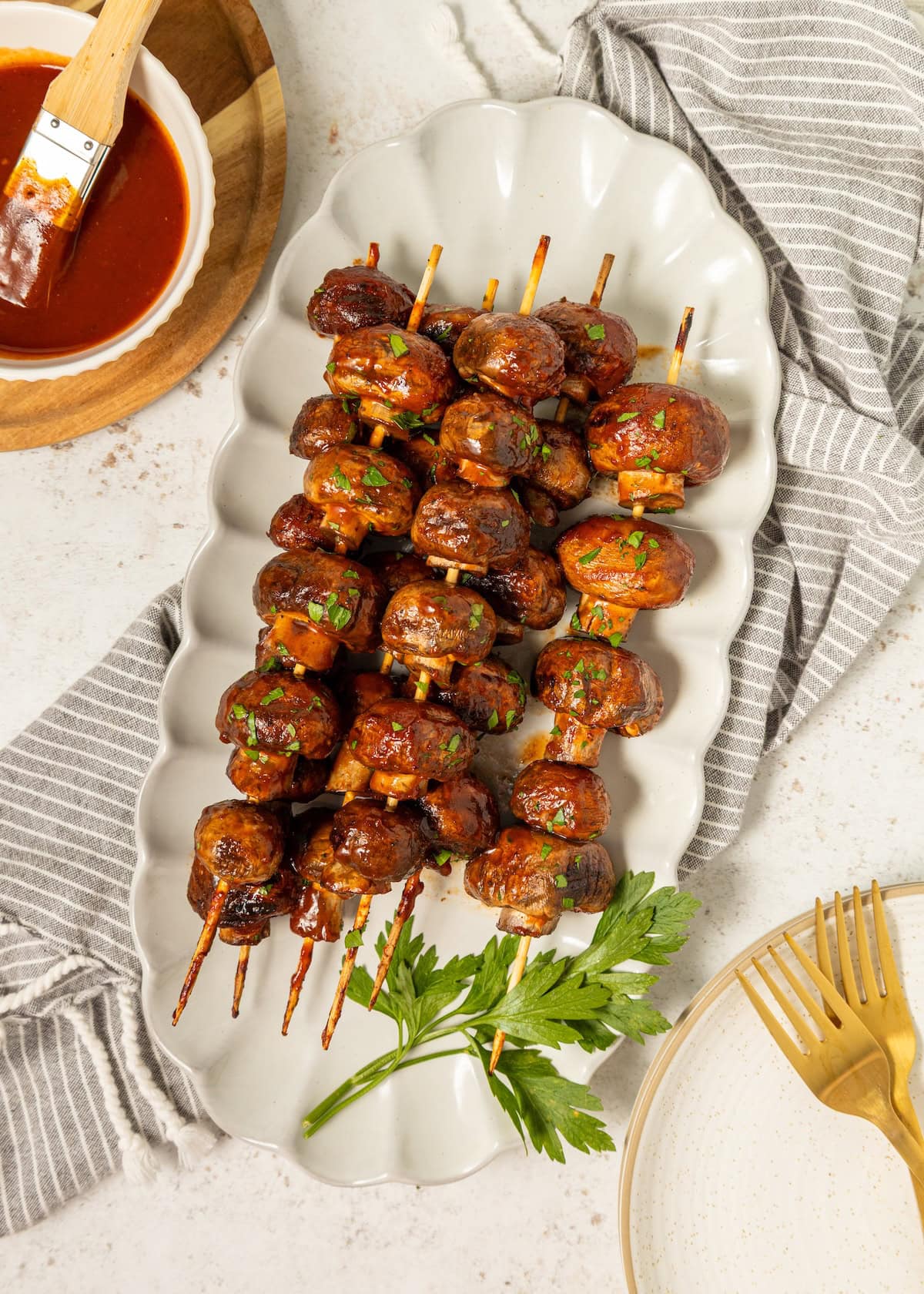
Credit: www.livingchirpy.com
Safety Tips For Skewer Grilling
Grilling with skewers is a fun and flavorful way to enjoy BBQ, but safety should never take a back seat. Handling skewers carefully and maintaining proper hygiene can make your grilling experience both enjoyable and safe. Let’s dive into some key safety tips that help you avoid common hazards and serve delicious, safely cooked food every time.
Handling Hot Skewers
Hot skewers can cause serious burns if you’re not careful. Always use tongs or heat-resistant gloves when turning or removing skewers from the grill. Avoid grabbing skewers with bare hands immediately after cooking, even if they don’t look hot.
Place cooked skewers on a heat-safe plate or tray to cool down. Remember, metal skewers retain heat longer than wooden ones, so extra caution is needed. Have you ever touched a skewer too soon and regretted it? Protect your fingers by always preparing for the heat.
Preventing Cross-contamination
Cross-contamination can ruin your BBQ and make you sick. Use separate plates and utensils for raw and cooked foods to keep bacteria from spreading. Never place cooked meat back on the same plate that held raw meat.
Wash your hands thoroughly after handling raw meat and before touching anything else. If you’re using wooden skewers, soak them in water for at least 30 minutes beforehand to prevent burning and reduce the risk of splinters. How often do you change utensils between raw and cooked food? Make it a habit—it’s worth the extra effort.
Checking Meat Doneness
Ensuring meat is cooked properly is crucial for safety and taste. Use a meat thermometer to check the internal temperature of your skewered items. For example, chicken should reach 165°F (74°C), while beef and pork vary depending on your preferred doneness.
Don’t rely on color alone; sometimes meat looks done on the outside but is still undercooked inside. Insert the thermometer into the thickest part of the meat without touching the skewer itself. This step can prevent foodborne illnesses and guarantee juicy, perfectly cooked BBQ every time.
Creative Skewer Recipes To Try
Skewers are an incredibly versatile way to elevate your BBQ experience. They let you mix flavors, textures, and colors all in one bite. If you want to impress your guests or just spice up your grilling routine, trying new skewer recipes can be a game-changer.
Spicy Chicken Skewers
Marinate chicken pieces in a blend of chili powder, garlic, lime juice, and a touch of honey for balance. Thread the chicken onto skewers alternating with slices of bell pepper and red onion. Grill until the chicken is cooked through and slightly charred for that perfect spicy kick.
Want to add more heat? Sprinkle some crushed red pepper flakes right before serving. These skewers are great for those who like their BBQ with a bold punch.
Vegetarian Delight Skewers
Combine colorful vegetables like zucchini, cherry tomatoes, mushrooms, and chunks of halloumi cheese. Brush with olive oil and a mix of herbs such as rosemary and thyme before grilling. The cheese adds a satisfying texture, while the veggies bring freshness and sweetness.
Have you tried adding fruit like pineapple or peaches? They caramelize nicely on the grill and create an unexpected burst of flavor. These skewers prove that vegetarian BBQ can be just as exciting.
Seafood Skewers With Zest
Use firm seafood like shrimp, scallops, or chunks of salmon. Toss them in a marinade made from lemon zest, garlic, olive oil, and fresh parsley. Alternate seafood with slices of lemon and bell pepper on the skewer for added aroma and taste.
Grill quickly over high heat to keep the seafood tender and juicy. The zest in the marinade brightens each bite and makes these skewers perfect for a light, refreshing BBQ option.
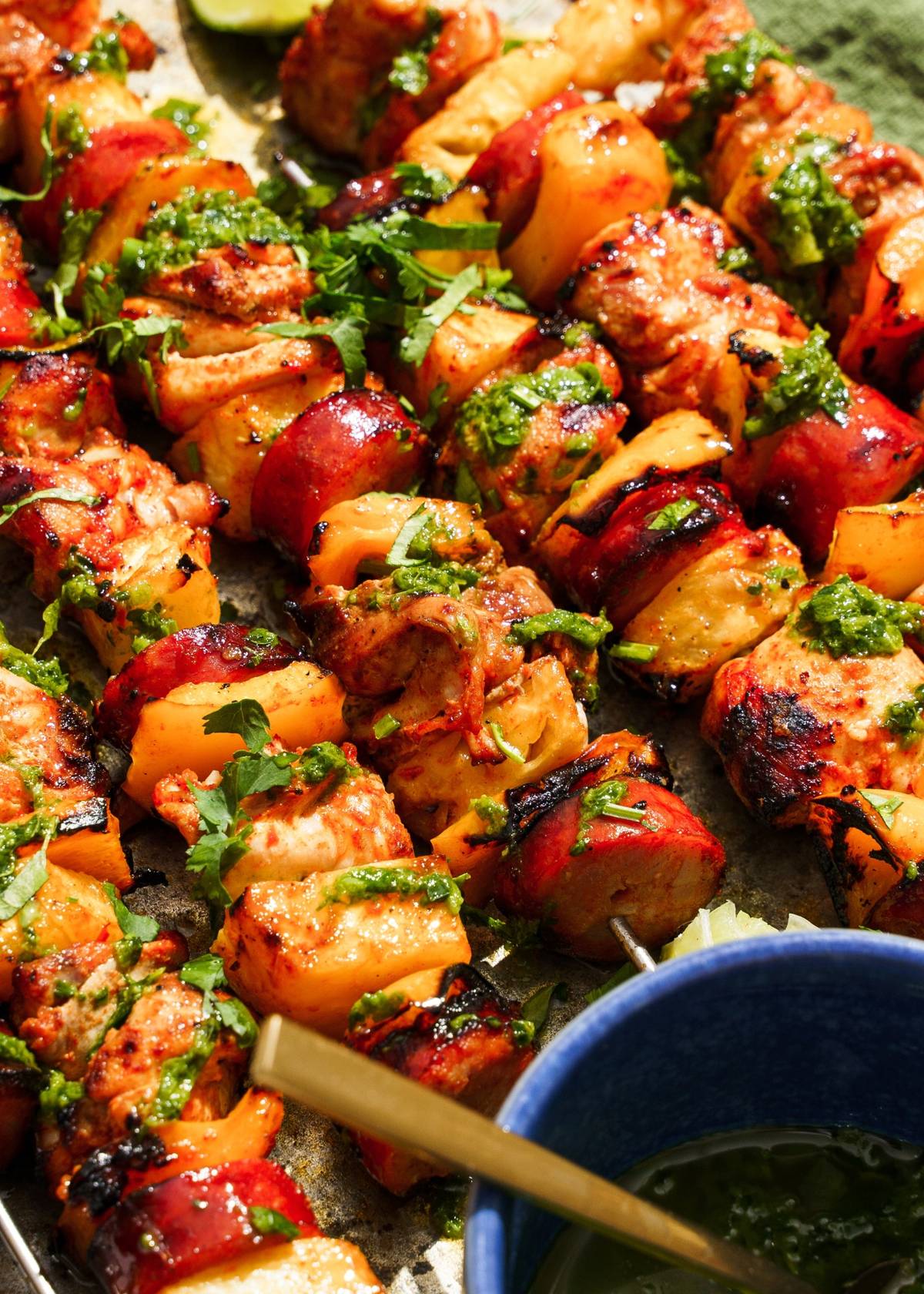
Credit: www.hellofresh.ca
Frequently Asked Questions
What Types Of Skewers Are Best For Bbq?
Metal skewers are durable and reusable, while bamboo skewers are disposable and eco-friendly. Choose based on cooking time and convenience. Metal skewers conduct heat, cooking food evenly. Bamboo skewers should be soaked in water before use to prevent burning.
How To Prepare Skewers For Bbq Grilling?
Soak bamboo skewers in water for 30 minutes to avoid burning. For metal skewers, clean thoroughly before use. Thread food evenly to ensure uniform cooking. Avoid overcrowding to allow heat circulation around the pieces.
What Foods Work Best On Bbq Skewers?
Skewers work well with bite-sized meats, vegetables, and fruits. Chicken, beef, shrimp, bell peppers, onions, and pineapple are popular choices. Mixing flavors adds variety and enhances taste. Cut ingredients uniformly for even cooking.
How To Avoid Food Sticking To Skewers?
Oil the skewers lightly before threading food. Also, brush food pieces with oil or marinade. This prevents sticking and adds flavor. Preheat the grill to medium-high heat for better results.
Conclusion
Skewers make BBQ cooking easy and fun. They help cook food evenly and quickly. You can use different types of meat, vegetables, or fruits. Soak wooden skewers before grilling to avoid burning. Keep food pieces similar in size for even cooking.
Turn skewers often to get a nice, brown color. Clean metal skewers well after use for safety. Enjoy your tasty BBQ with simple skewers anytime. Try new recipes and share with friends. Cooking with skewers adds flavor and joy to your meals.

