
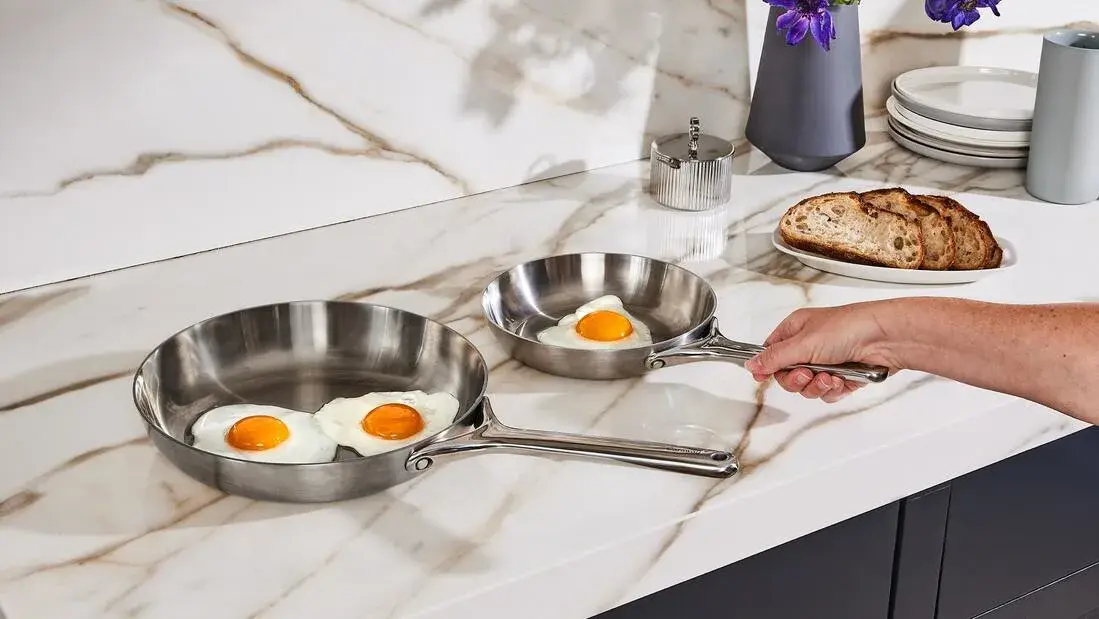
If you want your stainless steel utensils to stay shiny and last for years, knowing the right way to care for them is key. You might have noticed spots, stains, or dullness appearing over time, and wondered how to fix or prevent these issues.
This guide will show you simple, effective tips to keep your utensils looking brand new. By learning how to maintain your stainless steel properly, you’ll save money, avoid frustration, and enjoy cooking with tools that look great every day. Ready to discover easy tricks that anyone can follow?
Let’s dive in.

Credit: www.yahoo.com
Choosing Quality Stainless Steel
Choosing quality stainless steel is the first step in making sure your utensils last longer and perform better. Not all stainless steel is created equal, and the grade and finish can affect how well your utensils resist rust, stains, and wear. Knowing what to look for helps you avoid common problems and get the best value for your money.
Grades To Consider
Different grades of stainless steel vary in durability and resistance to corrosion. The most common grades for utensils are 18/10, 18/8, and 18/0. These numbers refer to the percentage of chromium and nickel in the steel.
- 18/10 stainless steelhas 18% chromium and 10% nickel, making it highly resistant to rust and corrosion. It also has a shiny, attractive finish.
- 18/8 stainless steelcontains 18% chromium and 8% nickel. It is slightly less resistant than 18/10 but still very durable.
- 18/0 stainless steelhas 18% chromium and no nickel. It is magnetic and usually less expensive, but it can be more prone to rust and stains.
Think about how you use your utensils. If you cook frequently or wash utensils often, investing in 18/10 stainless steel can save you from frustration later.
Spotting Durable Finishes
The finish on stainless steel utensils affects both appearance and longevity. A smooth, polished finish resists stains and makes cleaning easier. Look for utensils with a mirror or satin finish for better durability.
Rough or dull finishes can trap dirt and moisture, encouraging rust spots. Some utensils have a protective coating, which adds an extra layer of defense against wear.
Have you noticed how some utensils keep their shine even after years of use? That’s usually due to a high-quality finish combined with the right steel grade. Always check for these details before buying to avoid disappointment.

Credit: www.youtube.com
Daily Cleaning Habits
Keeping your stainless steel utensils spotless every day doesn’t have to be a chore. Small, consistent habits can prevent stains, rust, and dullness, saving you time and effort later. The key lies in how you clean them right after use and what products you choose.
Using Mild Detergents
Strong chemicals might seem effective, but they can damage the surface of your utensils over time. Instead, use mild dish soap mixed with warm water to wash them gently. This combination removes grease and food particles without stripping the metal’s natural shine.
Try to rinse your utensils promptly after washing to avoid any detergent residue. Have you noticed how sometimes a harsh soap leaves a film? That’s a sign it’s too strong for your stainless steel.
Avoiding Abrasive Tools
Scrubbing pads and steel wool might be tempting for tough stains, but they often scratch the surface. Opt for soft sponges or cloths instead—they clean effectively without harm.
If you encounter stuck-on food, soak the utensil briefly before wiping. This softens the residue and helps you avoid aggressive scrubbing. Ask yourself: is the extra force really necessary, or can a gentle approach save your utensils in the long run?
Removing Stains And Discoloration
Removing stains and discoloration from stainless steel utensils keeps them looking shiny and new. Over time, heat, food acids, and hard water can cause marks on the surface. Cleaning these stains properly prevents damage and maintains the utensil’s durability. Simple techniques can restore the original brightness without harsh scrubbing or chemicals.
Natural Cleaning Solutions
Natural ingredients are gentle and effective for cleaning stainless steel stains. They avoid scratching and keep utensils safe for cooking.
- Baking Soda:Make a paste with water. Apply to stains and rub gently with a soft cloth. Rinse well.
- White Vinegar:Use vinegar on a cloth to wipe away discoloration. It dissolves mineral deposits and light stains.
- Lemon Juice:The acidity removes rust and water spots. Rub lemon slices directly on the stain or apply lemon juice with a cloth.
- Olive Oil:After cleaning, a small amount of olive oil can polish and protect the surface from future stains.
Commercial Cleaners To Use
Several commercial products are designed for stainless steel care. Choose those labeled safe for kitchen utensils.
- Stainless Steel Cleaner:Formulated to remove tough stains and fingerprints. Follow the product instructions closely.
- Bar Keepers Friend:A popular powder cleaner that tackles discoloration and rust. Use with a damp sponge and rinse thoroughly.
- Non-Abrasive Scrubbers:Use with cleaners to avoid scratching the steel surface while removing stubborn marks.
Regular cleaning with these products keeps utensils looking fresh and extends their lifespan.

Credit: food52.com
Preventing Rust And Corrosion
Stainless steel utensils stay rust-free by drying them thoroughly after washing. Avoid using harsh cleaners that can damage the surface and cause corrosion. Regular cleaning with mild soap keeps utensils looking shiny and strong.
Preventing rust and corrosion in stainless steel utensils is essential. It extends their lifespan and keeps them looking new. Despite their name, stainless steel utensils can still rust or corrode. This happens if they aren’t cared for properly. Here are some tips to help you keep your stainless steel utensils rust-free.Proper Drying Techniques
Always dry your utensils immediately after washing. Use a soft cloth to wipe away water. This prevents water spots and potential rust. Air drying can lead to water pooling, which might cause corrosion. Hand drying is quicker and more effective.Avoiding Prolonged Water Exposure
Do not leave stainless steel utensils soaking in water. Prolonged exposure can cause pitting and rust. If you need to soak them, limit the time to a few minutes. After washing, promptly dry them with a towel. This ensures no water remains on the surface.Polishing And Restoring Shine
Polishing and restoring the shine of stainless steel utensils keeps them looking new and attractive. Over time, scratches and dullness can appear. Regular polishing removes these marks and brings back the bright finish. It also helps protect the surface from stains and rust. Simple techniques and products make this easy at home. A shiny utensil brightens your kitchen and improves your cooking experience.
Diy Polishing Methods
Use basic household items for effective polishing. Start with a soft cloth and mild cleaner. Avoid abrasive materials that scratch the steel.
- Apply baking soda paste (baking soda + water) on the utensil. Rub gently in circular motions.
- Use white vinegar on a cloth to wipe the surface. This removes stains and adds shine.
- Rub a little olive oil on the utensil with a soft cloth. Buff until shiny.
- Use lemon juice for tough spots. Let it sit for a few minutes, then wipe clean.
- Rinse with warm water and dry immediately to prevent water spots.
Recommended Polishing Products
Choose products designed for stainless steel. These are safe and effective for regular use.
| Product | Benefit | Usage |
|---|---|---|
| Stainless steel polish cream | Removes scratches and restores shine | Apply with soft cloth, buff gently |
| Microfiber polishing cloth | Prevents scratches, enhances shine | Use dry or with polish cream |
| Non-abrasive metal cleaner | Safe cleaning and polishing | Follow label instructions for best results |
Regular polishing keeps utensils looking clean and new. It also extends their life and maintains their value.
Storage Tips For Longevity
Proper storage plays a crucial role in keeping stainless steel utensils in excellent condition. Correct storage prevents scratches, dents, and corrosion, extending the life of your kitchen tools. Careful handling and placement help maintain their shine and functionality.
Safe Stacking Practices
Stack stainless steel utensils carefully to avoid damage. Use separators like cloth or paper towels between items to prevent scratches. Avoid piling heavy utensils on top of lighter ones. Place larger items at the bottom and smaller ones on top. This method reduces pressure and keeps utensils safe.
Environment Considerations
Store utensils in a dry place to prevent rust and stains. Avoid areas with high humidity or direct sunlight exposure. Keep utensils away from corrosive chemicals or strong odors. Ensure proper ventilation to reduce moisture buildup. A cool, dry environment preserves the metal’s quality.
Handling Common Issues
Stainless steel utensils often face common problems like scratches and water spots. Proper care can keep them looking new and shiny. Understanding how to handle these issues helps extend their life and maintain their beauty.
Dealing With Scratches
Scratches can dull the surface of stainless steel utensils. Use a soft cloth with a small amount of olive oil. Rub gently in the direction of the grain. This helps reduce the appearance of light scratches.
For deeper scratches, use a non-abrasive cleaner made for stainless steel. Apply it carefully, following the grain pattern. Avoid using steel wool or harsh scrubbing pads. These can cause more damage.
Addressing Water Spots
Water spots appear after drying utensils with hard water. Wipe utensils with a cloth dampened in white vinegar. The vinegar dissolves mineral deposits that cause spots. Rinse with clean water and dry immediately with a soft towel.
Prevent water spots by drying utensils right after washing. Avoid air drying, especially in areas with hard water. This simple step keeps your utensils spotless and shiny for longer.
Frequently Asked Questions
How Do I Clean Stainless Steel Utensils Effectively?
Use warm water and mild dish soap to clean utensils. Avoid abrasive cleaners that can scratch the surface. Rinse thoroughly and dry immediately with a soft cloth to prevent water spots and maintain shine.
Can Vinegar Remove Stains From Stainless Steel Utensils?
Yes, vinegar effectively removes stains and discoloration. Soak a cloth in white vinegar and rub the utensil gently. Rinse well and dry to restore the utensil’s original shine and cleanliness.
How Often Should I Polish Stainless Steel Utensils?
Polish your utensils once a month to maintain their shine. Use a specialized stainless steel polish or a homemade mixture of olive oil and vinegar. Regular polishing prevents dullness and keeps utensils looking new.
Is It Safe To Put Stainless Steel Utensils In The Dishwasher?
Most stainless steel utensils are dishwasher safe. However, avoid high heat drying cycles to prevent discoloration. Check manufacturer guidelines for specific care instructions to ensure longevity and maintain utensil quality.
Conclusion
Stainless steel utensils last longer with proper care. Clean them gently after each use. Avoid harsh chemicals or steel wool scrubbing. Dry utensils quickly to stop water spots. Regular polishing keeps them shiny and new. Simple steps protect your utensils from damage.
Small efforts save money and time later. Keep your kitchen tools safe and bright. Good care means better cooking every day.

