
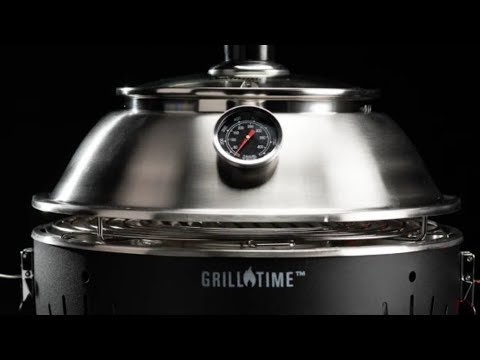
You love the freedom of grilling wherever you go, but your portable charcoal grill needs care to keep it working perfectly. If you want juicy, smoky flavors every time without hassle, learning how to maintain your grill is a must.
In this guide, you’ll discover simple, practical steps to clean, protect, and store your grill so it lasts longer and cooks better. Ready to make your next barbecue easier and more enjoyable? Let’s dive in.
Choosing The Right Grill
Choosing the right portable charcoal grill sets the foundation for easy maintenance and enjoyable cooking sessions. Your grill should match not only your cooking style but also your lifestyle. Think about where you’ll use it most and how often you plan to clean and carry it around.
Material Matters
The material of your grill impacts durability and cleaning ease. Stainless steel grills resist rust and are easier to wipe down after use. Cast iron grills hold heat well but need extra care to prevent rusting, which can make maintenance a chore.
I once bought a cheap steel grill that rusted quickly, making cleaning frustrating. Investing in a grill with a powder-coated finish saved me time and headaches. What kind of surface will you feel comfortable maintaining regularly?
Size And Portability
Your grill’s size affects how often you’ll move and clean it. Smaller grills are easier to carry and store, especially if you enjoy camping or tailgating. However, very compact grills may have less cooking space, requiring more frequent cleaning between uses.
Consider how much food you usually cook and how you transport the grill. A grill with foldable legs or a carrying handle can make maintenance easier by reducing wear and tear during transport. What balance between size and portability suits your outdoor cooking habits?
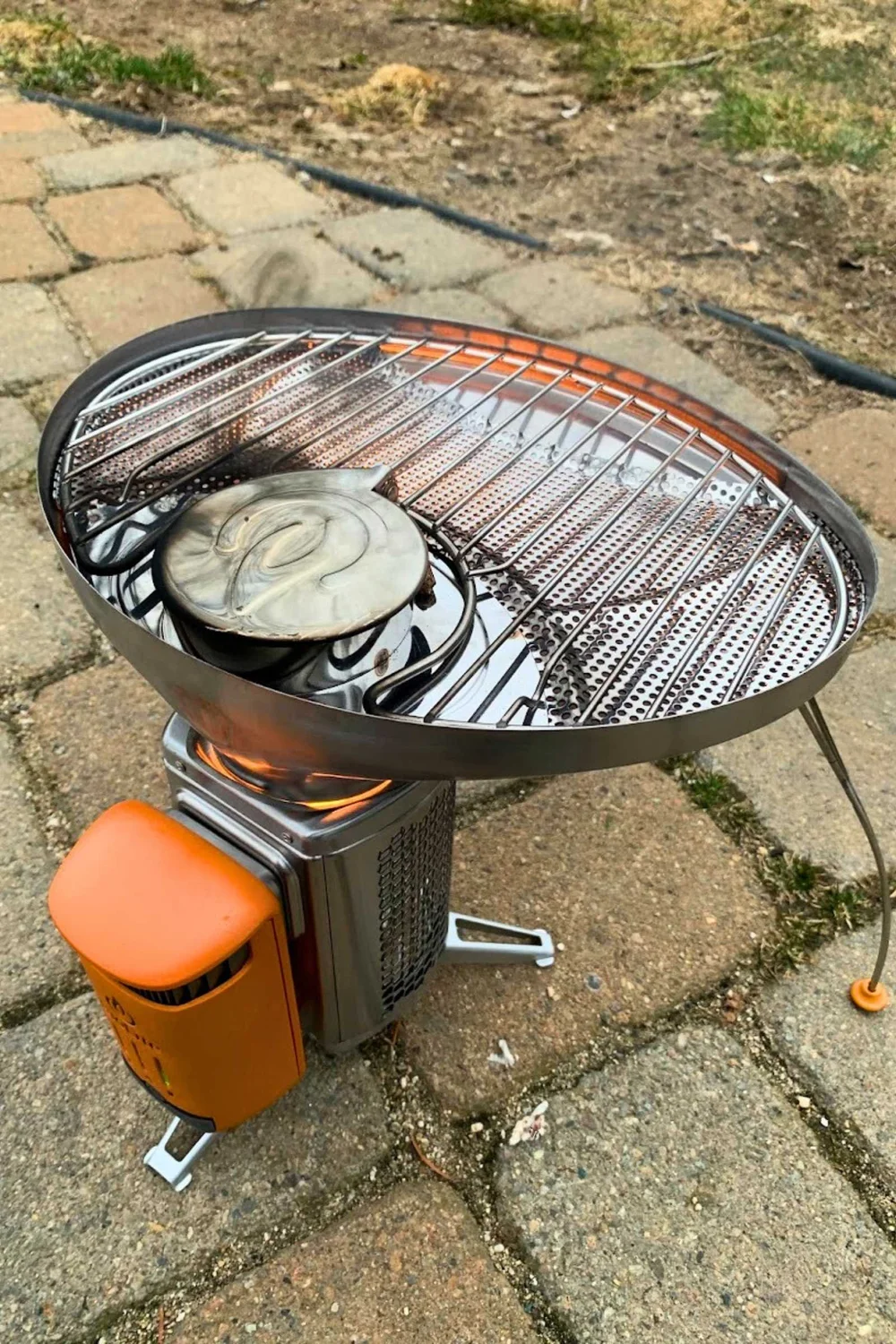
Credit: www.treelinereview.com
Cleaning After Each Use
Cleaning your portable charcoal grill after each use keeps it ready and safe for the next cookout. Regular cleaning stops rust and buildup. It also helps food taste better and prevents flare-ups. Spending a few minutes to clean extends your grill’s life and keeps it working well.
Removing Ash And Debris
Start by letting the grill cool completely. Then, open the grill and remove leftover charcoal. Use a small brush or scoop to take out ash. Dispose of ash in a metal container to avoid fire risks. Clear all debris from the bottom and vents. Clean vents keep airflow steady for better grilling.
Cleaning Grill Grates
Use a grill brush to scrub the grates while they are still warm. This removes stuck-on food and grease. For deeper cleaning, soak grates in warm soapy water. Scrub with a sponge or cloth to remove residue. Rinse with clean water and dry completely before placing back.
Wiping The Exterior
Wipe the outside of the grill with a damp cloth. Use mild soap for tough spots. Avoid harsh chemicals that damage paint or metal. Dry the exterior with a soft towel to prevent rust. Store the grill covered to protect it from dust and weather.
Proper Storage Techniques
Proper storage techniques are essential for keeping your portable charcoal grill in excellent condition. Storing your grill correctly prevents rust, damage, and unwanted odors, extending its lifespan. Let’s look at some practical ways to store your grill safely and effectively.
Keeping It Dry
Moisture is the enemy of charcoal grills. Water causes rust and can ruin your grill’s metal parts. Always make sure your grill is completely dry before storing it.
If you’ve just finished cleaning, leave the grill open in a well-ventilated area to air dry. Avoid storing it right after washing to prevent trapped moisture from causing corrosion. A dry grill means less maintenance and more time enjoying your cooking.
Using Protective Covers
A good protective cover shields your grill from dust, rain, and sun damage. Choose a cover made from waterproof and breathable material to keep moisture out while allowing air circulation.
I once stored my grill without a cover and found spider webs and debris inside when I was ready to cook again. A cover would have saved me that hassle. Investing in a quality cover is a simple step that makes a big difference in keeping your grill clean and ready to use.
Indoor Vs Outdoor Storage
Deciding where to store your grill depends on your space and climate. Indoor storage, such as a garage or shed, offers the best protection against weather elements.
However, if indoor space is limited, outdoor storage is possible with the right precautions. Place your grill on a raised platform or patio to avoid ground moisture. Also, keep it away from direct sunlight and heavy rain areas.
Where do you usually store your grill? Could switching to a different spot help prolong its life?

Credit: www.treelinereview.com
Routine Maintenance Tips
Maintaining your portable charcoal grill ensures it performs well and lasts longer. Regular care prevents problems and keeps your grill ready for any cookout. Follow these routine maintenance tips to keep your grill in top condition.
Checking For Rust
Rust can damage your grill and affect its performance. Regularly examine the grill’s body, grates, and legs. Look for any signs of rust or corrosion. If you find rust, use a wire brush to clean it off. Apply a light coat of oil to protect metal surfaces. This prevents future rusting and keeps your grill looking good.
Inspecting Vents And Airflow
Proper airflow is crucial for effective grilling. Check the vents for blockages or debris. Ensure they open and close smoothly. Clean the vents regularly to maintain good airflow. This helps control the grill’s temperature and improves cooking results.
Tightening Loose Parts
Over time, grill parts may become loose. Inspect all screws, nuts, and bolts. Tighten any that are loose to ensure safety and stability. Pay special attention to the legs and handles. This prevents wobbling and accidents while grilling.
Handling Common Issues
Handling common issues with your portable charcoal grill can save you from unexpected cooking disasters and extend the life of your grill. Addressing problems early keeps your grill performing at its best and ensures every meal is delicious. Let’s look at practical ways to tackle the frequent challenges you might face.
Dealing With Rust Spots
Rust spots on your grill are more than just an eyesore; they can weaken the metal and affect cooking quality. To fix them, start by scrubbing the rusted area with a wire brush or steel wool until you see clean metal.
After removing rust, apply a high-temperature grill paint or a protective coating designed for grills. This prevents rust from returning and keeps your grill looking new.
Have you ever ignored a small rust spot only to find it spreading quickly? Spot treatment is crucial before it gets out of hand.
Fixing Uneven Heat
Uneven heat can ruin your grilling experience by cooking food unevenly. Check if your charcoal is spread out properly; sometimes adjusting the coals or adding more charcoal to cooler spots solves the issue.
Also, clean your grill’s air vents regularly to ensure proper airflow, which is vital for consistent heat distribution. A clogged vent can cause hot and cold spots.
Consider using a heat deflector or placing a drip pan under the food to balance the temperature. Have you noticed certain parts of your grill cooking faster? Experiment with coal placement to find the sweet spot.
Replacing Worn Components
Over time, parts like grates, handles, and vents can wear out or break. Regularly inspect these components for cracks, rust, or looseness.
Many manufacturers offer replacement parts that are easy to install, saving you from buying a whole new grill. Keep a small toolkit handy for quick fixes.
Don’t wait until a handle breaks mid-cookout or a grate collapses under your food. Spotting worn parts early and replacing them keeps your grilling stress-free.

Credit: www.treelinereview.com
Enhancing Grill Performance
Enhancing the performance of your portable charcoal grill is key to enjoying perfectly cooked meals every time you fire it up. Small adjustments and care routines can make a big difference in how evenly your grill heats and how delicious your food turns out. Let’s dive into practical ways you can boost your grill’s efficiency and get the most flavor from every cookout.
Seasoning The Grates
Seasoning the grates creates a natural non-stick surface that improves heat distribution and protects your grill from rust. Start by cleaning the grates thoroughly, then apply a thin layer of cooking oil using a cloth or brush. Heat the grill for about 15 minutes to allow the oil to bake into the metal.
This simple routine prevents food from sticking and helps maintain the grates’ condition over time. Have you noticed how a well-seasoned pan cooks better? The same principle applies here.
Using Quality Charcoal
The type of charcoal you use impacts both the heat output and the flavor of your food. Opt for lump charcoal if you want hotter and cleaner-burning coals. Briquettes offer more consistent heat but may contain additives that affect taste.
Investing in quality charcoal means fewer flare-ups and longer burn times. Think about your last cookout—did the coals burn out too fast or produce too much smoke? Choosing the right charcoal can solve those problems.
Optimizing Airflow
Airflow controls how hot your charcoal burns and how quickly it burns out. Keep the vents open enough to feed oxygen to the coals without letting all the heat escape. Adjust the vents incrementally and watch how the flame reacts.
Too little airflow causes the coals to smother, while too much can create wild flare-ups. Have you tried experimenting with vent settings to find the sweet spot for your grill? Small changes can lead to big improvements in cooking control.
Safety Tips For Longevity
Keeping your portable charcoal grill safe not only protects you and your guests but also extends the life of your grill. Paying attention to simple safety measures can prevent accidents and costly damage. Let’s look at key safety tips that help your grill stay in top shape for many cookouts to come.
Safe Ignition Practices
Never use gasoline or other highly flammable liquids to start your charcoal. These can cause dangerous flare-ups and damage the grill’s structure. Instead, use a chimney starter or approved lighter fluid designed for charcoal grilling.
Light the fire in a well-ventilated outdoor area, away from flammable materials like dry leaves or wooden decks. This reduces the risk of accidental fires and keeps the air around you safe to breathe.
Avoiding Overheating
Overheating can warp your grill’s metal and damage its finish. Avoid piling too much charcoal at once, which can create extreme temperatures beyond what your grill can handle.
Keep the vents open to control airflow and temperature effectively. Have you ever noticed your grill metal turning blue or warped? That’s a clear sign of overheating, which shortens your grill’s lifespan.
Proper Cooling Down
After grilling, let the coals burn out completely or carefully douse them with water before moving or storing the grill. Handling hot coals prematurely can cause burns and damage your grill’s components.
Allow your grill to cool fully in an open area before covering or storing it. Trapping heat inside a cover can cause rust and weaken metal parts over time.
Frequently Asked Questions
How Often Should I Clean My Portable Charcoal Grill?
Clean your portable charcoal grill after every use. Remove ashes, scrub grates, and wipe surfaces. Regular cleaning prevents rust and improves flavor.
What Is The Best Way To Remove Charcoal Ash?
Allow ashes to cool completely. Then, scoop them out with a metal ash tool. Dispose of ashes safely to avoid fire hazards.
How Can I Prevent Rust On My Portable Grill?
Keep your grill dry and covered when not in use. Apply a light coat of cooking oil to grates to protect metal from moisture.
What Type Of Cleaner Is Safe For Grill Grates?
Use a grill brush or mild soap with warm water. Avoid harsh chemicals that can damage the grate or affect food taste.
Conclusion
Maintaining your portable charcoal grill keeps it ready for every cookout. Clean the grill after each use to avoid rust and buildup. Store it in a dry place to protect it from weather damage. Check the charcoal tray and vents regularly for debris.
Proper care extends the life of your grill and improves cooking. Enjoy tasty meals with a grill that works well every time. Simple steps make grilling easier and more fun. Keep your grill clean and dry, and it will last longer.

