
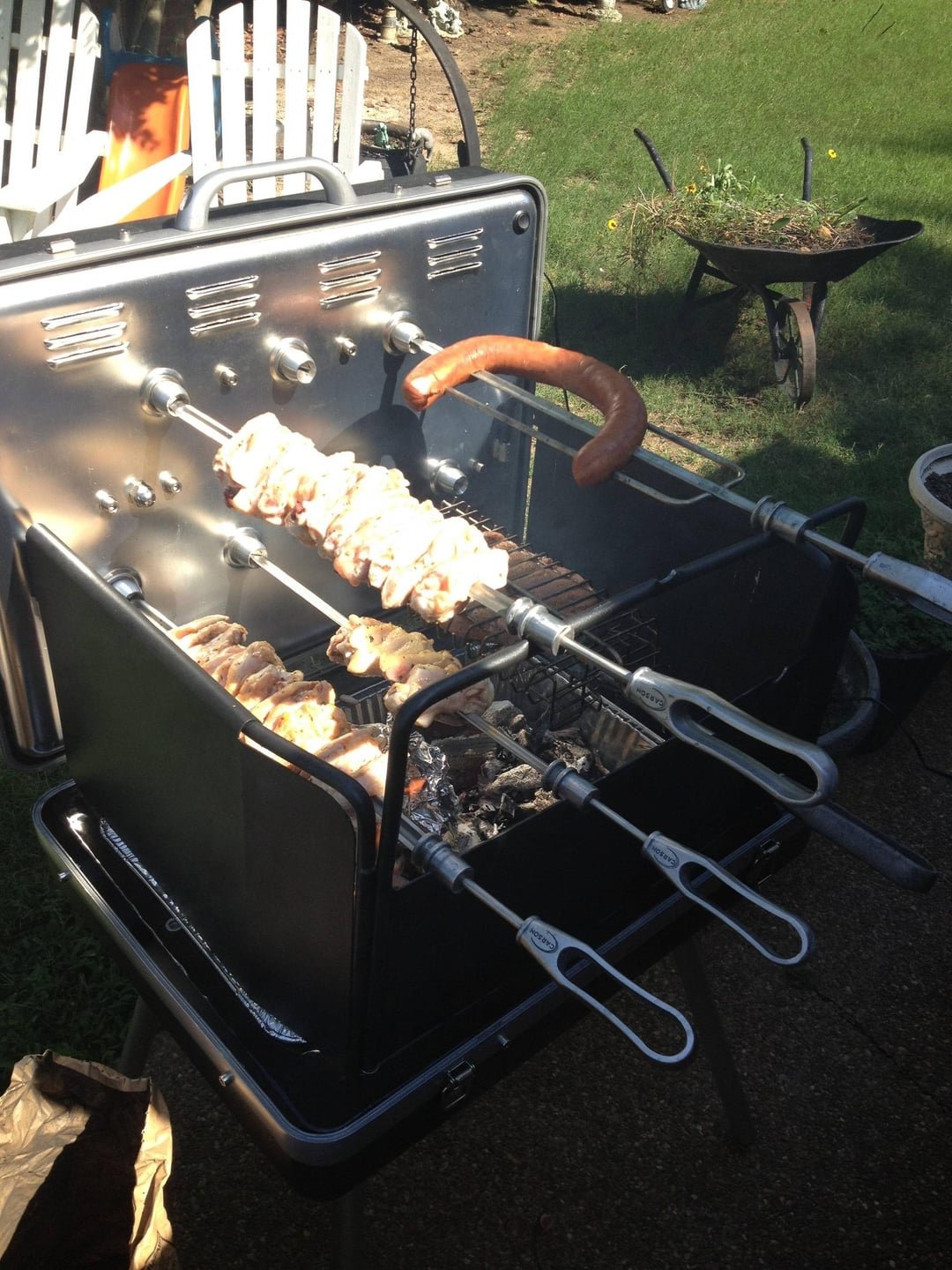
Are you ready to take your grilling game to the next level? Using a rotisserie on your portable grill can unlock juicy, evenly cooked meals that impress every time.
You might think it’s complicated, but with the right steps, you’ll master it quickly. Imagine biting into perfectly roasted chicken or tender, flavorful pork right from your own grill. In this guide, you’ll discover simple tips to set up and use your rotisserie like a pro.
Keep reading, and soon your outdoor cooking will become the highlight of every gathering.
Choosing The Right Portable Grill
Choosing the right portable grill is important for cooking with a rotisserie. Not all grills support this feature well. A good portable grill should make it easy to cook food evenly and keep the heat steady. Size, power, and design affect how well the rotisserie works.
Finding a grill that fits your needs helps you enjoy delicious rotisserie meals outdoors. Consider space for the rotisserie, motor quality, and fuel type. These details impact your cooking experience and results.
Key Features For Rotisserie Use
- Strong motor to turn the spit without stopping
- Enough space inside the grill for the rotisserie rod
- Good heat control to cook food evenly
- Easy to attach and remove the rotisserie kit
- Durable materials to withstand outdoor use
- Fuel type that suits your cooking style (gas, charcoal, electric)
Popular Portable Grill Models
| Model | Type | Rotisserie Feature | Portability |
|---|---|---|---|
| Weber Q1200 | Gas | Available rotisserie attachment | Lightweight and compact |
| Coleman RoadTrip 285 | Gas | Optional rotisserie kit | Foldable and easy to carry |
| Cuisinart CGG-180T | Gas | Rotisserie compatible | Compact with folding legs |
| Char-Broil Portable Electric Grill | Electric | Limited rotisserie options | Very portable and lightweight |
Essential Rotisserie Equipment
Getting the right equipment is key to mastering rotisserie cooking on your portable grill. Without the proper tools, you might find yourself struggling with uneven cooking or food slipping off the spit. Having essential rotisserie gear not only makes the process smoother but also enhances the flavor and texture of your meals.
Rotisserie Kits And Attachments
Most portable grills don’t come with built-in rotisserie setups, so you’ll need to invest in a rotisserie kit or attachment. These kits usually include a motor, spit rod, and forks that hold the food in place. The motor turns the spit rod slowly, ensuring your food cooks evenly over the heat.
Look for kits that match the size and weight capacity of your grill. A lightweight chicken cooks fine on a small motor, but a heavy roast demands a more powerful motor. Sometimes, you can find universal kits that work with various grill brands, making them a flexible choice.
Tools For Securing Food
Securing your food properly is as important as the rotisserie setup itself. Forks or prongs clamp the meat firmly on the spit rod to prevent wobbling or falling during rotation. Some kits come with adjustable forks to fit different sizes and shapes of food, which is a big help.
Besides forks, you might want to use kitchen twine to tie parts of the meat together. This keeps wings or legs from flapping around, which can cause uneven cooking. Have you ever noticed how a loose chicken wing can burn while the rest stays juicy? Proper securing avoids that problem.
Also, consider heat-resistant gloves and a drip pan. The gloves protect your hands when handling hot equipment, while the drip pan catches grease and prevents flare-ups. These small additions make your rotisserie experience safer and cleaner.
Preparing Food For Rotisserie
Preparing food for rotisserie cooking on a portable grill requires careful choice and treatment of ingredients. Proper preparation ensures even cooking and enhances flavor. It also helps the meat or vegetables stay secure on the spit during rotation.
Selecting Meats And Vegetables
Choose cuts of meat that are firm and evenly shaped. Whole chickens, pork roasts, and beef roasts work well. Avoid very lean cuts that can dry out quickly. Vegetables should be firm and cut into uniform sizes. Bell peppers, onions, mushrooms, and zucchini are great options. Avoid watery vegetables like tomatoes that may fall apart.
Marinating And Seasoning Tips
Marinate meats for at least 1-2 hours or overnight for deeper flavor. Use a mix of oil, acid (like lemon juice or vinegar), and herbs. Salt and pepper are essential for seasoning. For vegetables, toss them in olive oil and herbs before skewering. Avoid heavy sauces that can drip and cause flare-ups. Pat meats dry before placing on the spit to ensure browning.

Credit: lifespaceus.com
Setting Up The Rotisserie
Attach the rotisserie rod securely through the food and lock it in place on the portable grill. Ensure the motor is properly connected for even rotation during cooking. Adjust the grill settings to maintain steady heat for best results.
Setting up the rotisserie on your portable grill might seem daunting at first, but it’s a rewarding process that enhances your grilling game. Imagine the satisfaction of perfectly cooked, evenly browned meats rotating over the flame. With a few simple steps, you can master this technique and impress your family and friends.Installing The Spit And Motor
Begin by attaching the spit to your grill. Most portable grills come with specific slots or brackets designed for the spit. Slide the spit through the center of your meat, ensuring it’s secure and centered. Next, attach the motor to the grill. This usually involves securing it to one side where it can rotate freely. Plug the motor into a power source, making sure it functions smoothly by running it briefly.Balancing The Load
Balancing your rotisserie is crucial for even cooking. Uneven weight can cause the motor to struggle and the meat to cook unevenly. To balance the load, adjust the position of the meat on the spit until it’s evenly distributed. If necessary, use counterweights that often come with rotisserie kits. Consider the weight distribution as you would a see-saw, ensuring both sides are equal. This step ensures your grilling experience is smooth and your results are delicious. Have you ever tried using a rotisserie on a portable grill? What challenges did you face, and how did you overcome them? Share your thoughts!Cooking Techniques
Using a rotisserie on a portable grill requires some specific cooking techniques to get the best results. Proper heat control and managing different heat zones are key for evenly cooked, juicy food. Learning these techniques helps you make the most of your portable grill.
Temperature Control
Keep the grill temperature steady for even cooking. Aim for medium heat, around 300-350°F (150-175°C). Avoid high heat to prevent burning the outside while the inside stays raw. Use a grill thermometer to monitor the temperature. Adjust the fuel or flame to keep the heat consistent throughout the cooking time.
Managing Heat Zones
Create different heat zones on your grill to control cooking speed. Place hot coals or burners on one side for direct heat. Leave the other side cooler for indirect heat. Position the rotisserie over the indirect heat zone. This setup cooks food slowly and evenly. Rotate the meat steadily to avoid hot spots and burning.
Achieving Juicy, Even Cooking
Achieving juicy, even cooking on a portable grill with a rotisserie attachment demands attention to detail and a bit of patience. The rotating motion helps cook meat evenly, but your techniques during the process can make all the difference in moisture retention and flavor. Let’s look at ways you can keep your food tender, juicy, and perfectly cooked every time.
Basting Methods
Basting adds moisture and flavor as the meat cooks. Use a brush or a basting mop to apply sauces or marinades every 15-20 minutes. This prevents the outer layer from drying out and helps build a delicious crust.
Consider mixing your basting liquid with melted butter, garlic, and herbs for deeper flavor. Avoid sugary sauces early on, as they can burn; save those for the last 10 minutes of cooking. Have you tried using citrus juice in your baste? It brightens flavor and tenderizes the meat simultaneously.
Monitoring Cooking Progress
Keeping an eye on your rotisserie’s progress is key to preventing overcooking or undercooking. Use a reliable meat thermometer to check the internal temperature without stopping the rotation. Insert it into the thickest part of the meat, avoiding bones for an accurate reading.
Watch for visual cues too: a golden-brown color signals the exterior is crisping nicely. If your grill has adjustable heat zones, you can move the meat closer or further from the heat source to control cooking speed. How often do you check your meat? Too frequently opening the grill can cause heat loss and uneven cooking.
Safety And Maintenance
Using a rotisserie on a portable grill is fun and rewarding. Safety and maintenance keep your cooking smooth and your equipment lasting longer. Knowing how to handle hot parts and clean the setup helps prevent accidents and damage. Let’s dive into key safety tips and care routines.
Handling Hot Equipment
Rotisserie parts get very hot during cooking. Always use heat-resistant gloves when touching or adjusting the spit rod. Avoid loose clothing near the grill to prevent fires. Keep children and pets away from the cooking area. Use long-handled tools to turn or remove food safely.
Place the grill on a stable, flat surface. This avoids tipping and spills. Turn off the grill and let it cool before moving or cleaning. Never leave the grill unattended while the rotisserie runs.
Cleaning The Rotisserie Setup
Clean your rotisserie after every use to stop grease buildup. Remove the spit rod and forks carefully. Soak them in warm, soapy water to loosen stuck food. Use a soft brush or cloth to scrub gently. Rinse well and dry completely to avoid rust.
Wipe the grill’s interior with a damp cloth to clear away grease and ash. Avoid harsh chemicals that can damage the finish. Regular cleaning keeps your grill safe and ready for the next cookout.
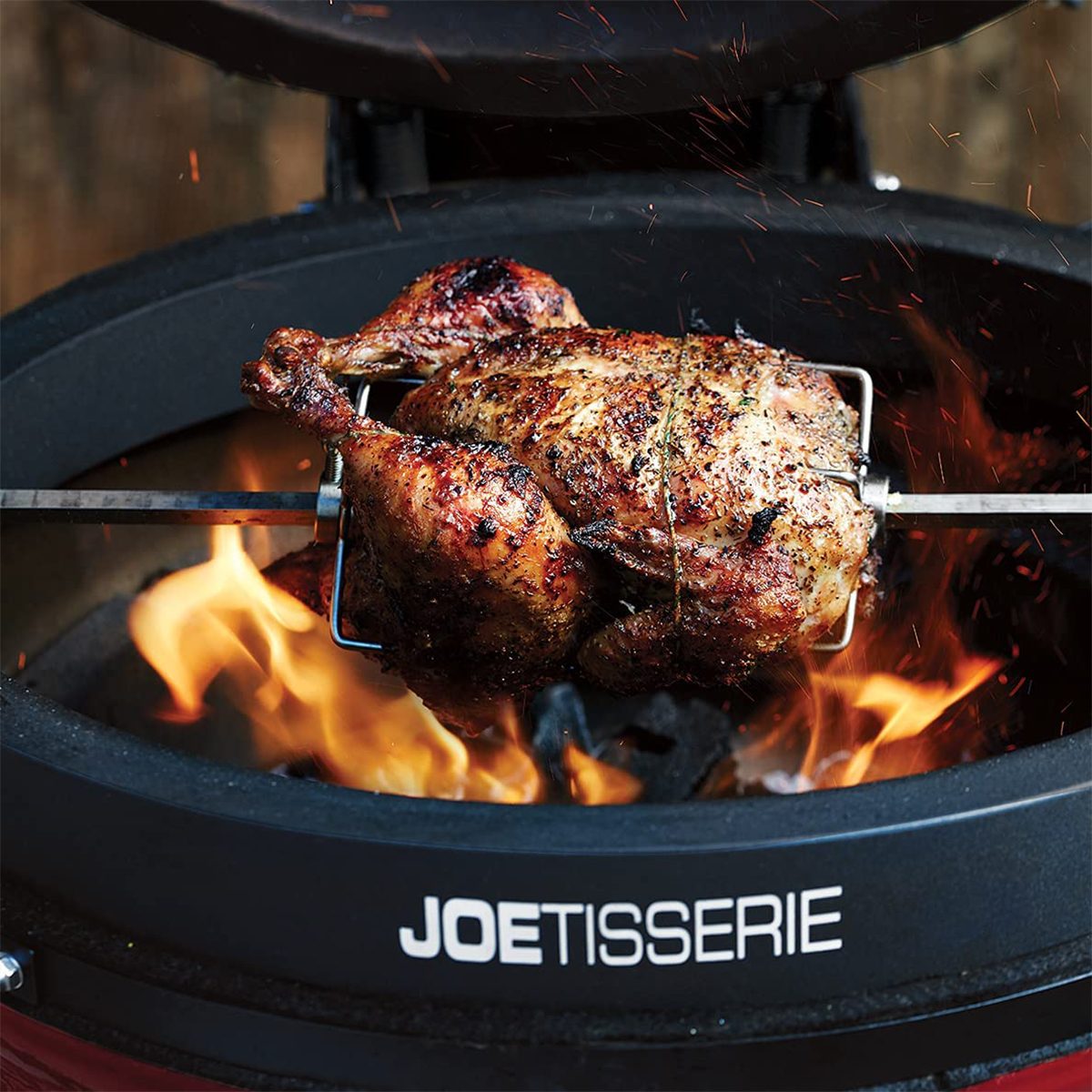
Credit: www.familyhandyman.com
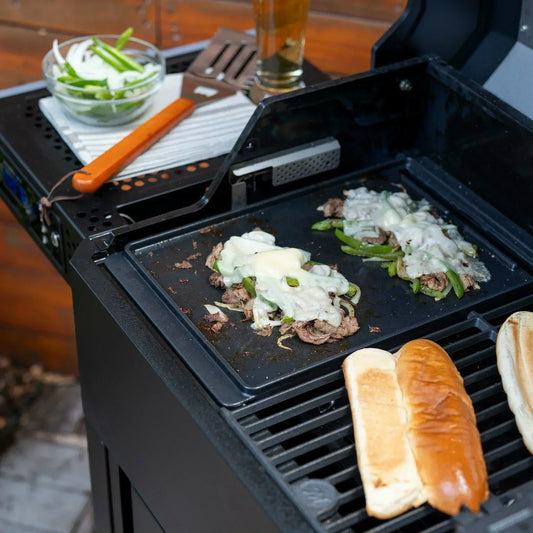
Credit: www.masterbuilt.com
Frequently Asked Questions
How Do I Set Up A Rotisserie On A Portable Grill?
First, attach the rotisserie motor securely to the grill. Insert the spit rod through the meat. Balance it evenly. Lock the forks tightly to hold the meat. Turn on the motor to start slow, even rotation.
What Foods Cook Best Using A Portable Grill Rotisserie?
Chicken, turkey, small roasts, and kebabs work great on portable rotisseries. These foods cook evenly and stay juicy due to slow rotation and consistent heat distribution.
How Long Does Cooking On A Rotisserie Usually Take?
Cooking times vary by meat size and type. Typically, chicken takes 1. 5 to 2 hours at medium heat. Use a meat thermometer to ensure proper doneness.
Can I Use A Rotisserie On Any Portable Grill Model?
Not all portable grills support rotisserie attachments. Check your grill’s specifications. Ensure it has side brackets and enough space for the spit rod and motor.
Conclusion
Using a rotisserie on your portable grill adds great flavor and even cooking. It helps cook meat slowly and keeps it juicy. Remember to set up the rotisserie properly and watch the cooking time. Keep the grill temperature steady for best results.
This method makes grilling easier and tastier. Give it a try for your next cookout. You will enjoy delicious meals with simple steps. Rotisserie cooking can be a fun way to improve your outdoor grilling.

