
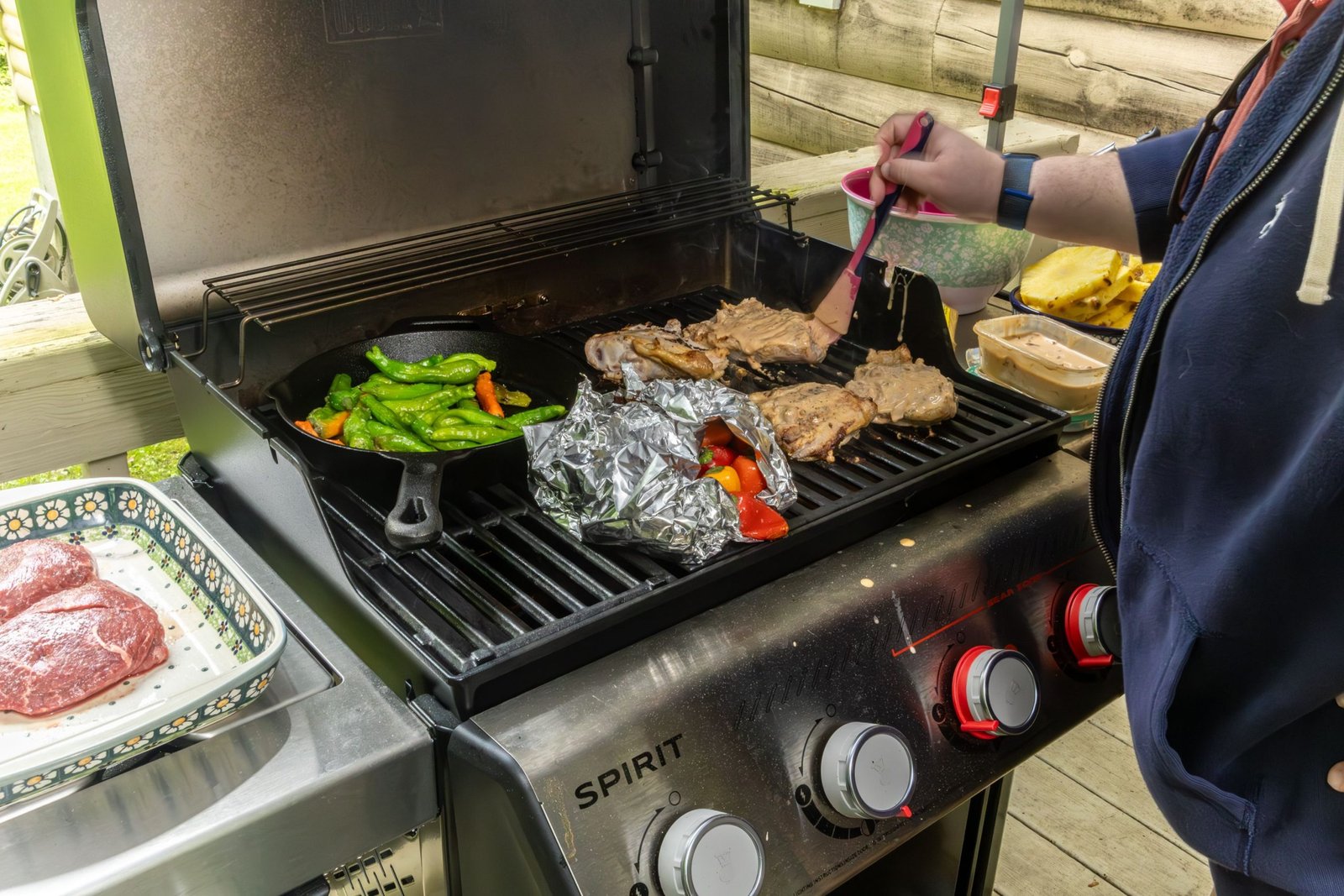
You love the freedom of cooking outdoors with your portable gas grill. But to keep it working smoothly and safely, you need to give it the right care.
Ignoring simple maintenance can lead to poor performance or even dangerous situations. In this guide, you’ll discover easy steps to clean, inspect, and store your grill so it stays ready for every meal. Keep reading to protect your investment and enjoy tasty, hassle-free grilling every time.
Credit: propanect.com
Choosing The Right Location
Choosing the right location for your portable gas grill is key to safe and efficient use. The spot you pick affects how well the grill works and how long it lasts. It also keeps you and others safe while cooking outdoors.
Safe Placement Tips
- Place the grill on a flat, stable surface to prevent tipping.
- Keep the grill at least 10 feet away from buildings or flammable materials.
- Avoid areas with heavy foot traffic to reduce accidents.
- Ensure there is good ventilation to avoid gas buildup.
- Never use the grill indoors or in enclosed spaces.
Avoiding Weather Damage
- Use a covered area or grill shelter to protect from rain and snow.
- Store the grill indoors or use a waterproof cover when not in use.
- Keep the grill away from strong winds that can affect flames.
- Check the grill regularly for rust or damage caused by weather.
Regular Cleaning Routine
Keeping a regular cleaning routine for your portable gas grill improves its performance and lifespan. Dirt and grease can build up quickly. This buildup can block burners and cause uneven cooking. A clean grill also prevents flare-ups and bad odors. Simple, consistent care keeps your grill ready for every cookout.
Cleaning Grill Grates
Start by heating the grill for 10 minutes. Use a grill brush to scrape off food particles. Soak the grates in warm soapy water for 15 minutes. Scrub gently with a sponge to remove stubborn residue. Rinse with clean water and dry thoroughly before placing them back.
Removing Grease And Debris
Turn off the gas and let the grill cool. Use a scraper or putty knife to remove thick grease layers. Wipe the inside with a damp cloth and mild detergent. Empty the drip pan and clean it with warm water. Regular grease removal stops flare-ups and keeps the grill safe.
Cleaning Burners
Disconnect the propane tank before cleaning burners. Use a soft brush to clear clogged holes carefully. Avoid using sharp objects that can damage the burners. Check for rust and replace if needed. Clean burners help maintain even heat and efficient gas flow.
Inspecting And Replacing Parts
Keeping your portable gas grill in top shape means regularly inspecting its parts and replacing any that show wear. Neglecting these small details can lead to inefficient cooking or even safety hazards. A quick check can save you from unexpected breakdowns and keep your grill ready for your next barbecue.
Checking Gas Hoses
Your grill’s gas hoses are lifelines for safe fuel delivery. Look closely for cracks, brittleness, or any signs of wear that could cause leaks. Even small holes can be dangerous, so don’t ignore any imperfections you spot.
To test for leaks, apply a soapy water solution along the hose and connections while the gas is on. Bubbles forming mean gas is escaping. If you see bubbles, replace the hose immediately—using a damaged hose puts you and your guests at risk.
Replacing Worn Components
Parts like burners, ignition systems, and valves wear down over time. If your grill struggles to light or the flames burn unevenly, it might be time to swap these parts out. Don’t wait for a complete failure; catching issues early keeps your grill reliable.
Always use manufacturer-approved parts to ensure compatibility and safety. Keep a checklist of components to inspect each season, including:
- Burners for rust or blockages
- Ignition wires for frays or damage
- Control knobs for smooth operation
Have you ever had a last-minute grill failure? Regularly checking and replacing parts prevents those frustrating moments and keeps your cookouts stress-free.
Proper Storage Techniques
Proper storage techniques are essential to keep your portable gas grill in top shape. Storing the grill correctly prevents rust, damage, and performance issues. It also saves you time and money by reducing the need for repairs or replacements.
Covering The Grill
Using a cover is the easiest way to protect your grill. Choose a cover made of waterproof and UV-resistant material to shield against rain, dust, and sun damage. Make sure the cover fits snugly to prevent wind from blowing it off.
Before covering, clean the grill thoroughly. Remove any food debris and wipe down surfaces to avoid mold and unpleasant odors. Leaving the grill damp under the cover can cause rust, so always dry it well.
Winter Storage Tips
Storing your grill during winter requires extra care. First, disconnect the propane tank and store it outside in a cool, ventilated area away from direct sunlight. Never store propane indoors.
Drain any grease traps to avoid attracting pests or causing fires. If possible, move your grill to a sheltered spot like a garage or shed. If that’s not an option, placing it on a raised platform keeps it off wet ground and reduces rust risk.
Have you checked your grill’s manufacturer guide for specific winter storage advice? Following those recommendations can prevent costly mistakes and extend your grill’s life.
Safe Gas Handling
Regularly check gas connections and hoses for leaks to ensure safe use. Clean the grill after each use to prevent buildup and maintain performance. Store the grill and gas tank in a cool, dry place away from direct sunlight.
Safe gas handling is a crucial aspect of maintaining your portable gas grill. It not only ensures the longevity of your equipment but also keeps you and your loved ones safe during those delightful outdoor cooking sessions. Mastering the art of safe gas handling will make your grilling experience more enjoyable and stress-free.Connecting And Disconnecting Tanks
Always start by turning off the gas supply before you connect or disconnect the tank. A firm connection is key, but avoid overtightening the valve, as it may damage the threads. Remember to handle the tank with care, avoiding any drops or bumps, which can lead to leaks. When disconnecting, ensure both the grill and the tank valve are turned off. This simple step can prevent gas from escaping into the atmosphere. If you notice any wear on the connections, consider replacing them to maintain safety.Checking For Gas Leaks
Checking for gas leaks should be a regular part of your grill maintenance routine. Use a solution of soap and water, applying it to the connections and hoses. If bubbles form, you have a leak. Once a leak is detected, tighten the connections and test again. If the leak persists, replace the damaged parts before your next grilling session. Have you ever thought about how a quick leak check can save you from a dangerous situation? Ultimately, being vigilant about gas safety not only protects you but also enhances your grilling experience. So, are you ready to grill with peace of mind, knowing that your gas handling practices are top-notch?
Credit: www.treelinereview.com
Maintaining Performance
Maintaining the performance of your portable gas grill ensures every cookout is as enjoyable as the first. A grill that runs smoothly not only cooks food evenly but also lasts longer. Paying attention to key maintenance tasks can save you time and frustration during your next grilling session.
Seasoning The Grill
Seasoning your grill is more than just a one-time job; it’s a simple routine that protects the cooking surface and enhances flavor. After cleaning, heat the grill and apply a thin layer of cooking oil to the grates. This creates a natural non-stick coating that prevents rust and food from sticking.
Have you ever noticed food tearing apart when you flip it? Proper seasoning can fix that. Try using oils with high smoke points like canola or grapeseed to avoid burning. Re-season your grill regularly, especially after deep cleaning or heavy use, to keep it in prime condition.
Adjusting Flame Settings
Correct flame settings are crucial for consistent cooking and fuel efficiency. Too high a flame can burn your food outside while leaving it raw inside, while too low a flame extends cooking time unnecessarily. Learn to control the knobs so you can quickly adjust heat based on what you’re grilling.
Test your flame by lighting the grill and observing the color; a blue flame with small yellow tips is ideal. If you notice large yellow or orange flames, it might be time to clean or adjust the burner tubes. Have you checked your gas pressure and regulator recently? These also affect flame consistency and grilling results.

Credit: www.treelinereview.com
Frequently Asked Questions
How Often Should I Clean My Portable Gas Grill?
Clean your portable gas grill after every use. Remove grease and food residue to prevent buildup and flare-ups. Regular cleaning extends the grill’s life and ensures better cooking performance.
What Is The Best Way To Store A Portable Gas Grill?
Store your grill in a dry, sheltered place. Use a grill cover to protect it from dust and moisture. Proper storage prevents rust and damage during off-seasons.
How Do I Check For Gas Leaks In My Grill?
Mix soap and water, then apply it to gas connections. Turn on the gas; bubbles indicate leaks. If found, tighten connections or replace faulty parts immediately.
Can I Use Stainless Steel Cleaner On My Grill?
Yes, stainless steel cleaner is safe for grill surfaces. It removes stains and restores shine. Always follow the product’s instructions for the best results.
Conclusion
Regular cleaning and careful storage keep your gas grill in top shape. Check the gas lines and burners often for safety. Always clean the grill grates after each use to avoid buildup. Cover your grill to protect it from rain and dust.
Simple steps like these extend your grill’s life and improve cooking. Enjoy tasty meals with a well-maintained portable gas grill. Easy care makes outdoor cooking more fun and safe. Keep your grill ready for your next barbecue.

