
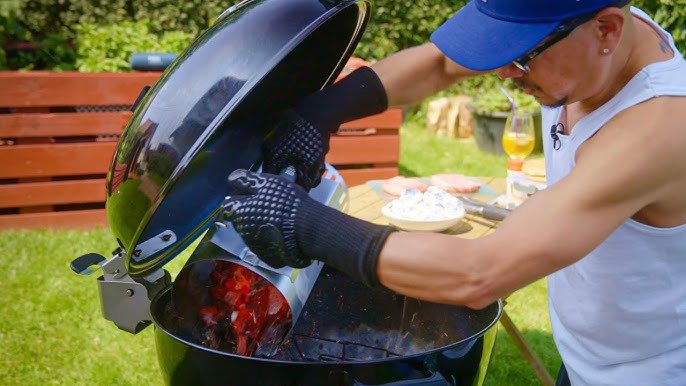
Lighting your portable charcoal grill the right way can make all the difference between a perfect cookout and a frustrating experience. If you’ve ever struggled with smoky flames or uneven heat, you’re not alone.
But don’t worry—getting your grill ready quickly and safely is easier than you think. In this guide, you’ll discover simple steps and expert tips to ignite your portable charcoal grill like a pro every time. Ready to enjoy delicious, smoky flavors with less hassle?
Keep reading to master the art of lighting your grill perfectly.

Credit: www.amazon.com
Choosing The Right Charcoal
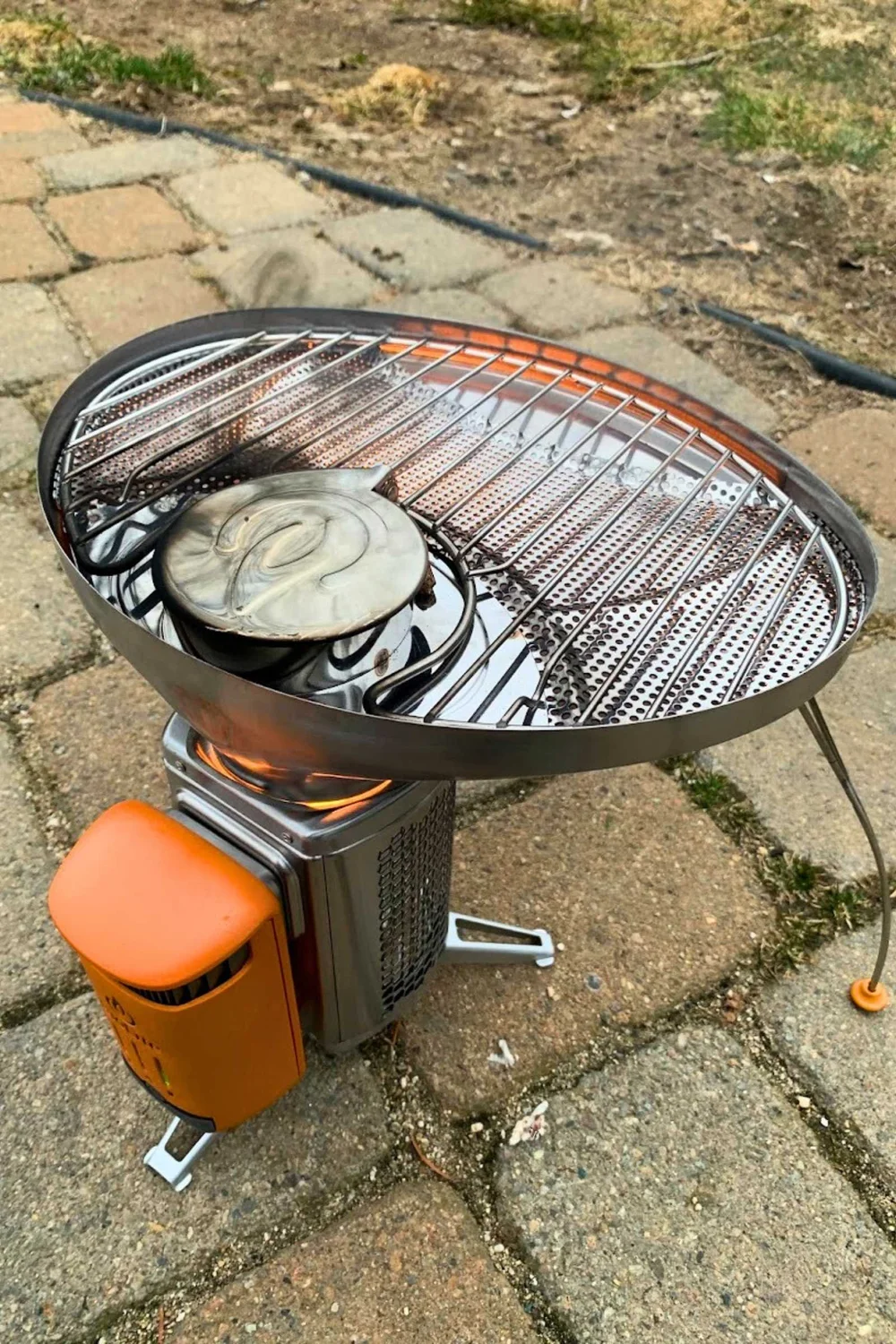
Choosing the right charcoal is crucial for a successful grilling experience. The charcoal you select affects heat, flavor, and cooking time. Portable charcoal grills need fuel that lights quickly and burns evenly.
Not all charcoal is the same. Some types burn hotter, while others last longer. Picking the best charcoal helps you enjoy tasty food with less hassle.
Types Of Charcoal
- Charcoal Briquettes:Made from compressed wood byproducts. They burn steadily and last long.
- Lump Charcoal:Made from pure wood chunks. Burns hotter and cleaner with less ash.
- Instant-Light Charcoal:Contains chemicals to light quickly. Ideal for quick grilling but may affect flavor.
Best Charcoal For Portable Grills
Lump charcoal often suits portable grills best. It lights fast and produces high heat. It also creates less ash, making cleanup easier.
Charcoal briquettes offer steady heat and longer burn time. They work well for slow cooking or when you want consistent temperature.
Avoid instant-light charcoal for regular use. Chemicals can change the taste of your food. Use it only when you need quick starts.
Credit: www.treelinereview.com
Preparing Your Grill
Preparing your portable charcoal grill is essential for a safe and effective lighting process. A clean and well-set grill helps the charcoal ignite faster and burn evenly. Spend time on preparation to enjoy a better grilling experience and tastier food.
Cleaning The Grill
Start by removing old ashes and leftover charcoal from the grill. Use a brush or cloth to clean the grill grate. This removes grease and food bits that can cause flare-ups. Clean grates help heat spread evenly and prevent food from sticking. Check for rust or damage before use. A clean grill is safer and works better.
Setting Up The Grill For Lighting
Place the grill on a flat, stable surface outdoors, away from flammable materials. Arrange the charcoal in a pile or pyramid shape in the center of the grill. This shape allows better airflow and easier lighting. Open the grill vents to help air flow through the coals. Keep the grill lid nearby for later use. Proper setup ensures quick, even burning and better control of heat.
Lighting Methods
Lighting a portable charcoal grill properly is key for a great barbecue. Different lighting methods suit different needs and situations. Choosing the right one can make the process faster and safer. Here are some common lighting methods for your charcoal grill.
Using Lighter Fluid Safely
Lighter fluid is a popular choice for many grillers. Use only a small amount to avoid flare-ups. Pour the fluid evenly over the charcoal. Let it soak for about 30 seconds before lighting. Keep the grill lid open while lighting to prevent gas buildup. Never add lighter fluid after the fire has started. Store lighter fluid away from children and heat sources.
Natural Fire Starters
Natural fire starters are a safer, eco-friendly option. They include items like wood shavings, pine cones, or compressed sawdust blocks. Place the fire starters under the charcoal pile. Light them carefully with a match or lighter. Natural starters burn slowly, giving charcoal time to catch fire. They add no harsh chemicals to your food or air. Perfect for those who prefer a natural grilling experience.
Electric Charcoal Starters
Electric charcoal starters work quickly without chemicals. They use a heating element to ignite the charcoal. Place the starter inside the charcoal pile. Plug it in and wait 8 to 10 minutes. The charcoal will begin to glow red. Remove the starter carefully using heat-resistant gloves. This method is clean, safe, and easy to control. Ideal for those who want a fuss-free start to grilling.
Arranging The Charcoal
Arranging charcoal properly is key to lighting a portable charcoal grill effectively. The right setup helps the coals catch fire fast and burn evenly. Careful placement affects heat control and cooking time. Understanding simple charcoal layouts makes grilling easier and more enjoyable.
Charcoal Pile Techniques
Start by placing charcoal in a small pile. This concentrates heat and helps coals ignite quickly. Use one of these common pile shapes:
- Classic mound:Stack coals in a cone shape. Light the top and let flames spread downward.
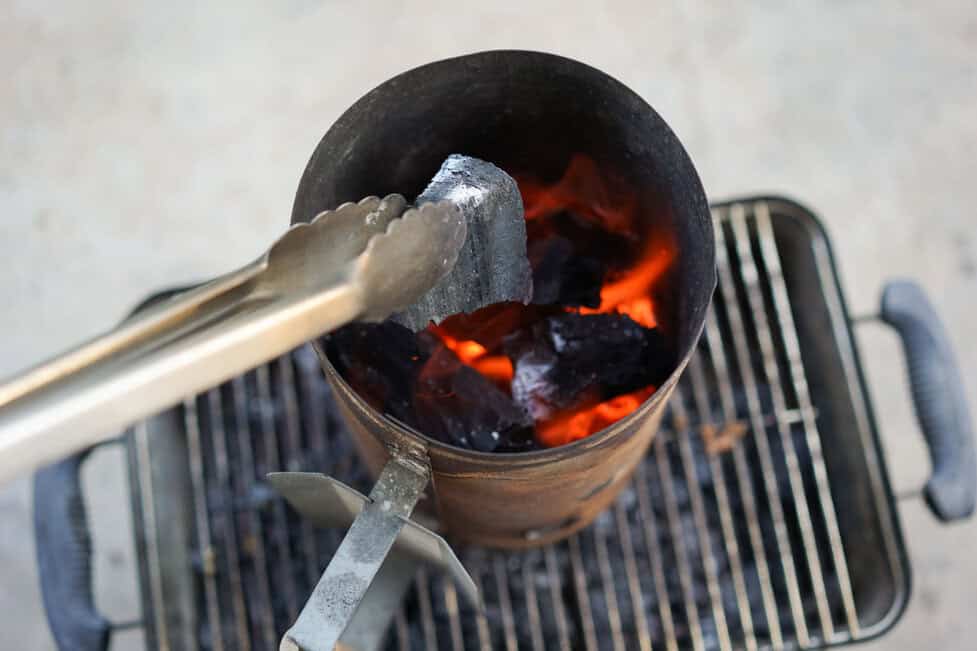
- Chimney stack:Fill a chimney starter with charcoal. Light from the bottom for fast ignition.
- Grid pattern:Spread coals loosely in a grid. Good for even heat over a wider area.
Pick the shape that suits your cooking style and grill size. Smaller piles light faster but may need refilling. Larger piles last longer but take more time to start.
Airflow And Ventilation Tips
Airflow fuels the fire. Arrange coals to allow space for air to move freely. Keep vents open to feed oxygen to the charcoal.
- Leave small gaps between coals for better air circulation.
- Open the grill vents fully when lighting coals.
- Adjust vents to control heat once coals are glowing.
- Blow gently on the base if flames need a boost.
Proper ventilation keeps the fire strong and steady. Avoid overcrowding coals, which blocks airflow and slows burning.
Maintaining The Fire
Keep the charcoal burning by adding small amounts of fuel regularly. Use a grill tool to spread the coals evenly for steady heat. Control airflow by adjusting vents to maintain the fire’s strength.
Maintaining the fire in your portable charcoal grill is key to achieving perfectly grilled food. It requires attention and a bit of skill, but the results are worth it. Keeping the fire going involves adding more charcoal and controlling heat levels, which are essential for consistent cooking.Adding More Charcoal
To keep your grill hot, you’ll need to add more charcoal as it burns out. Start by identifying when the heat is decreasing. If your food isn’t sizzling, it’s time to act. Keep a small pile of fresh charcoal nearby. Use tongs to carefully place new briquettes onto the existing coals. Spread them evenly to avoid creating hot spots. Adding charcoal without disrupting your cooking can be tricky. Open the grill lid slightly to prevent a gust that could cause ash to blow onto your food.Controlling Heat Levels
Managing the heat levels is crucial for grilling success. Is your meat cooking too fast or slow? Adjusting the heat can make all the difference. Control airflow to regulate the temperature. Open the vents to increase heat or close them slightly to reduce it. This simple adjustment can help maintain your desired cooking temperature. A grill thermometer is your best friend here. Monitor the temperature to ensure consistent results. Remember, a stable heat equals evenly cooked meals.Safety Tips
Safety is the top priority when lighting a portable charcoal grill. Taking simple precautions helps avoid accidents and injuries. Understanding safe practices ensures a fun and worry-free grilling experience. Follow these key safety tips for handling flames and extinguishing your grill properly.
Handling Flames Carefully
Always keep a safe distance from open flames. Use long matches or a lighter designed for grills. Avoid wearing loose clothing that can catch fire. Keep children and pets away from the grill area. Never leave the grill unattended while the flames are active. Use heat-resistant gloves to protect your hands. Place the grill on a stable, flat surface to prevent tipping. Avoid using excessive lighter fluid or other accelerants. Wait until the coals are glowing red before cooking.
Proper Extinguishing Methods
Allow the coals to burn out completely if possible. Close the grill vents to cut off oxygen supply. Use water sparingly to avoid steam burns and ash splatter. Stir the ashes to ensure all embers are out. Dispose of ashes only after they have fully cooled. Keep a fire extinguisher or bucket of sand nearby for emergencies. Store charcoal and lighter fluid in a cool, dry place away from heat sources. Never discard hot ashes in trash bins or near flammable materials.
Credit: www.hungryhuy.com
Frequently Asked Questions
How Do I Safely Light A Portable Charcoal Grill?
Start by arranging charcoal in a pyramid shape. Use natural fire starters or lighter fluid carefully. Light the charcoal and wait 15-20 minutes until covered with gray ash before cooking. Always grill in a well-ventilated area and keep water nearby for safety.
What Is The Best Charcoal For Portable Grills?
Lump charcoal is ideal for portable grills because it lights quickly and burns hotter. It produces less ash than briquettes. Choose natural, high-quality charcoal for better flavor and consistent heat. Avoid cheap briquettes with fillers for a cleaner, safer grilling experience.
How Long Does It Take To Heat A Charcoal Grill?
It usually takes 15-20 minutes for the charcoal to reach cooking temperature. You’ll know it’s ready when the coals are covered with white-gray ash. Avoid rushing; proper heating ensures even cooking and enhances food flavor on your portable grill.
Can I Use Lighter Fluid On A Portable Charcoal Grill?
Yes, but use lighter fluid sparingly and safely. Apply it before lighting the charcoal, never after. Wait for the fluid to soak in for a minute before lighting. Avoid inhaling fumes and keep the fluid away from flames and children.
Conclusion
Lighting a portable charcoal grill is simple with the right steps. Start with dry charcoal and use enough starter material. Let the coals burn until they are covered with gray ash. This means the grill is ready for cooking. Always practice safety by keeping water or a fire extinguisher nearby.
Enjoy the smoky flavor that only charcoal grilling can bring. With patience and care, you will have great meals outdoors. Give it a try on your next barbecue day.

