

Looking to upgrade your patio with the perfect charcoal grill? Choosing the right grill can make all the difference between a great cookout and a frustrating experience.
You want something that’s easy to use, durable, and fits your outdoor space perfectly. But with so many options out there, how do you know which one is right for you? In this guide, you’ll discover simple tips to help you pick a charcoal grill that matches your style, needs, and budget.
Keep reading, and soon you’ll be ready to fire up the coals and enjoy delicious meals with family and friends.
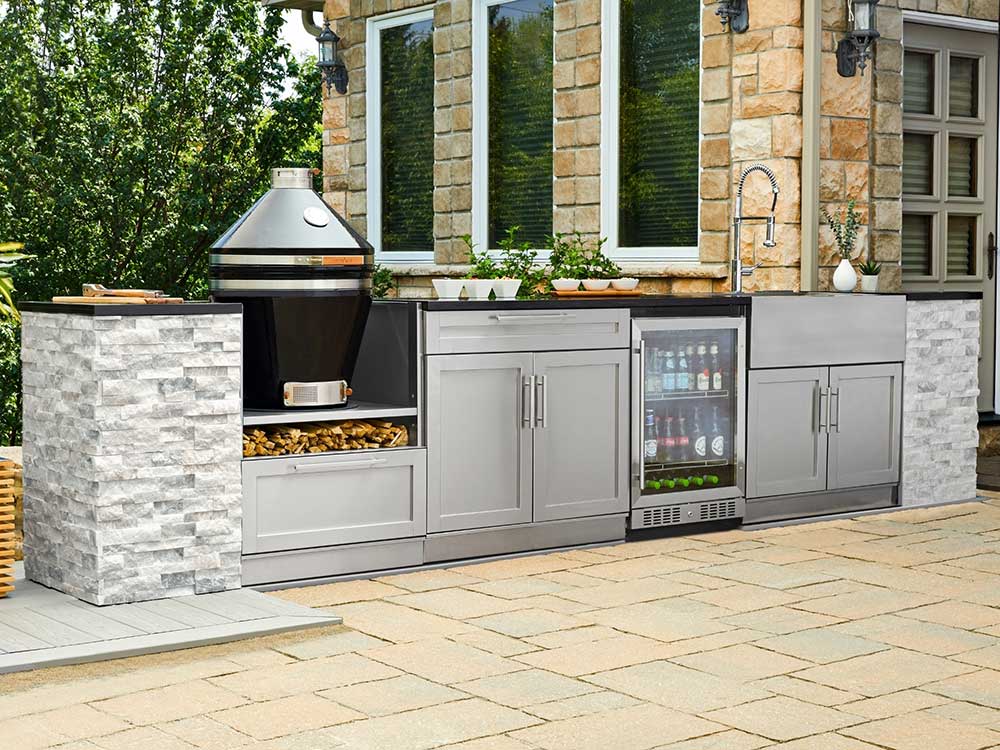
Credit: www.homedepot.com
Types Of Charcoal Grills
Choosing the right charcoal grill can make your patio cooking more enjoyable. Different types of grills offer unique benefits. Understanding these types helps you pick the best one for your needs. Each grill varies in shape, size, and cooking style.
Kettle Grills
Kettle grills have a round shape and a dome lid. They hold heat well and offer good airflow control. These grills are great for both direct and indirect cooking. They are easy to use and clean. Their compact size fits well on most patios.
Barrel Grills
Barrel grills are shaped like a horizontal cylinder. They provide a large cooking surface. This type is perfect for grilling for bigger groups. Many barrel grills include side shelves for extra workspace. They often come with adjustable grates for heat control.
Portable Grills
Portable grills are small and lightweight. They are easy to carry for picnics or camping. Despite their size, they still offer good grilling power. Ideal for people who want a grill on the go. Portable grills fit nicely on small patios.
Kamado Grills
Kamado grills are egg-shaped and made from ceramic. They keep heat and moisture inside very well. These grills work for slow cooking and high-heat searing. They are versatile but usually heavier than other types. Kamado grills offer excellent flavor and temperature control.

Credit: food52.com
Key Features To Consider
Choosing the right charcoal grill for your patio means looking beyond just the price or brand. Key features influence how well the grill performs and how enjoyable your cooking experience will be. Let’s break down the essentials that will help you find a grill that matches your needs perfectly.
Grill Size And Cooking Area
The size of the grill determines how much food you can cook at once. If you often host friends or family, a larger cooking area means less waiting and more grilling. For small patios or occasional use, a compact grill can save space without sacrificing flavor.
Think about the number of people you usually cook for. Would a grill with a cooking area of around 300 to 500 square inches be enough? Also, consider if you want extra space for indirect cooking or keeping food warm.
Material And Durability
The grill’s material affects both its lifespan and how well it holds heat. Stainless steel and cast iron are popular because they resist rust and handle high temperatures well. You might spend a bit more upfront, but a durable grill saves money over time by avoiding replacements.
Have you ever had a grill that fell apart after a season? Choosing a sturdy material means your grill withstands weather changes and frequent use. Look for grills with powder-coated finishes or porcelain enamel to protect against wear.
Ventilation And Temperature Control
Controlling airflow is key to managing the grill’s temperature. Adjustable vents let you increase or reduce oxygen to the charcoal, which directly impacts heat. This control is crucial if you want to switch between slow smoking and high-heat searing.
Ask yourself if the grill’s vents are easy to adjust and if they lock in place. Poor ventilation can lead to uneven cooking or difficulty maintaining consistent heat. Good temperature control gives you confidence in your grilling results.
Ash Removal System
Cleaning up after grilling doesn’t have to be a hassle. A built-in ash removal system makes it quick and safe to dispose of ashes without spreading dust. This feature saves time and keeps your patio cleaner.
Consider grills with removable ash pans or trays. These make emptying ashes easy and prevent messes. If you grill often, a good ash system can improve your overall grilling experience by keeping maintenance simple.
Fuel Options And Charcoal Types
Choosing the right fuel for your charcoal grill can change your entire cooking experience. Different types of charcoal burn at different rates and give off various flavors. Understanding these options helps you make the best choice for your patio setup.
Lump Charcoal Vs Briquettes
Lump charcoal is made by burning wood in the absence of oxygen, leaving behind pure carbon chunks. It lights quickly, burns hotter, and produces less ash, which means less cleanup. However, lump charcoal can be inconsistent in size, causing uneven heating.
Briquettes are compressed charcoal pieces mixed with binders and additives. They burn more evenly and last longer, making them ideal for slow cooking. But, they produce more ash and sometimes contain fillers that might affect flavor.
Using Natural Charcoal
Natural charcoal comes from pure wood without chemicals or additives. If you prefer a cleaner taste, this is a great choice. Many grillers say natural charcoal adds a richer, smoky flavor compared to processed options.
Have you ever noticed how some grilled foods taste different even when cooked the same way? The type of charcoal can be the hidden factor. Trying natural charcoal can be an easy way to enhance your grilling without changing your recipes.
Eco-friendly Charcoal Choices
Eco-conscious grillers often look for charcoal made from sustainable sources, like fast-growing hardwoods or agricultural waste. These options reduce environmental impact while still providing good heat.
Some brands offer charcoal with certifications for sustainable forestry or use recycled materials. Choosing these can make your patio grilling more environmentally responsible without sacrificing performance.
Would you consider switching to eco-friendly charcoal if it meant better air quality and less waste? It might be worth trying out on your next barbecue.
Additional Accessories
Choosing the right charcoal grill for your patio involves more than size and style. Additional accessories can enhance your grilling experience. These items can help maintain your grill, improve cooking precision, and offer extra convenience.
Grill Covers
A durable grill cover protects your grill from weather and debris. It extends the life of your grill. Choose a cover that fits snugly and is made from waterproof material. This helps keep moisture and dust at bay.
Thermometers
Precision in grilling requires accurate temperature readings. Built-in thermometers can be unreliable. Invest in a high-quality, standalone thermometer. It ensures your food is cooked to perfection every time.
Grill Tools
Essential tools make grilling smoother. Look for a sturdy spatula, tongs, and grill brush. These tools help in flipping, turning, and cleaning with ease. Choose tools with long handles to avoid burns.
Side Tables And Shelves
Extra space is always helpful. Side tables and shelves offer storage for spices, sauces, and utensils. They make grilling more organized and enjoyable. Ensure they are sturdy and easy to clean.
Budget And Price Range
Choosing a charcoal grill for your patio starts with understanding your budget. Knowing how much you want to spend helps narrow down options and prevents overspending. It’s easy to get caught up in features you don’t need, so focus on what fits both your wallet and your grilling goals.
Entry-level Grills
Entry-level charcoal grills are perfect if you’re new to grilling or have a tight budget. These models usually cost under $100 and offer basic features, like a simple grate and a small cooking area. They’re lightweight and easy to move, making them great for small patios or occasional use.
You might sacrifice durability or some convenience features, but entry-level grills still deliver that authentic smoky flavor. Ask yourself if you need a grill for quick weekend cookouts or if you want to upgrade later—this helps decide if an entry-level model is enough.
Mid-range Options
Mid-range charcoal grills typically fall between $100 and $300. These grills often come with better build quality, larger cooking surfaces, and added features like adjustable vents or ash catchers. If you grill regularly, this price range offers a good balance of performance and durability.
At this level, you’ll find grills made of thicker steel and sometimes extra tools like side shelves or built-in thermometers. Think about how much cooking space you need and whether features like easy ash cleanup matter to you. Would a grill that’s a bit heavier but lasts longer suit your patio setup?
Premium Grills
Premium charcoal grills can cost $300 and up, designed for serious grillers who want advanced features and superior craftsmanship. These models often have heavy-duty materials, precise temperature control, and extra accessories. They’re built to last for years, even with frequent use.
Investing in a premium grill makes sense if you entertain often or want professional-level results at home. Consider if you’ll use features like multiple cooking zones or built-in rotisseries enough to justify the price. What’s your grilling style, and could a high-end grill transform your patio cooking experience?

Credit: www.independent.co.uk
Maintenance And Cleaning Tips
Keeping your charcoal grill clean and well-maintained can extend its life and improve your cooking results. Neglecting maintenance often leads to rust, poor heat distribution, and lingering odors. Let’s dive into practical tips that make upkeep easier and more effective for your patio grill.
Routine Cleaning
After each grilling session, clear out ashes and leftover charcoal to prevent buildup. Use a grill brush to scrape off food residue from the grates while they’re still warm—that’s when cleaning is easiest.
Don’t forget to empty the ash catcher regularly to avoid clogging airflow, which can affect temperature control. A quick wipe down of the exterior with a damp cloth keeps your grill looking sharp and prevents rust.
Seasoning The Grill
Seasoning your grill grates creates a natural non-stick surface and protects them from rust. After cleaning, apply a thin layer of cooking oil to the grates and heat the grill for about 15 minutes.
This process fills tiny pores in the metal and helps food release effortlessly next time. Think of it as a protective shield that also enhances flavor by preventing flare-ups caused by stuck-on bits.
Storage Recommendations
Where you store your grill matters as much as how you clean it. If possible, keep it under a covered patio or use a weather-resistant grill cover to shield it from rain and dust.
Storing your grill in a dry area prevents rust and keeps the components in good shape. Do you have space constraints? Consider a portable grill that fits easily into a garage or shed during harsh weather.
Safety Tips For Patio Grilling
Grilling on your patio can be a fantastic way to enjoy great food and fresh air. But safety should never take a back seat. Taking a few simple precautions can keep your grilling experience fun and accident-free.
Proper Placement
Where you set up your charcoal grill matters a lot. Always place your grill on a flat, stable surface to prevent tipping. Keep it at least 10 feet away from your home, plants, and any flammable materials.
Think about wind direction too. Position your grill so smoke and sparks blow away from your patio furniture and neighbors. Have you checked if your patio surface can handle the heat without damage?
Handling Hot Charcoal
Charcoal stays hot for a long time, even after cooking. Use long-handled tools and heat-resistant gloves to avoid burns. Never add lighter fluid or other accelerants to hot or warm coals—it can cause dangerous flare-ups.
After you finish grilling, let the charcoal cool completely before disposing of the ashes. A metal container with a lid is best for ash disposal to prevent accidental fires. Are you prepared with the right tools before you start cooking?
Fire Safety Precautions
Always have a fire extinguisher or a bucket of sand nearby. Water might seem like a quick fix, but it can spread hot grease or charcoal embers. Teach everyone in your household the basics of grill fire safety.
Never leave the grill unattended while in use. Kids and pets should be kept at a safe distance. How confident do you feel about handling a small grill fire if it happens?
Frequently Asked Questions
What Size Charcoal Grill Is Best For A Patio?
Choose a grill size based on your patio space and cooking needs. Small grills suit limited spaces. Larger grills work for big gatherings. Measure your patio to ensure a comfortable fit without overcrowding.
How To Choose Charcoal Grill Materials For Durability?
Opt for grills made with stainless steel or cast iron. These materials resist rust and last longer outdoors. Consider powder-coated steel for budget-friendly options. Durable grills maintain appearance and performance over time.
What Features Improve Charcoal Grill Temperature Control?
Look for adjustable air vents and dampers to control airflow. A tight-fitting lid helps maintain consistent heat. Some grills include built-in thermometers for easy temperature monitoring. These features enhance cooking precision and flavor.
Are Portable Charcoal Grills Suitable For Patios?
Yes, portable charcoal grills are ideal for small patios or balconies. They are lightweight, easy to move, and store. Portability adds convenience without sacrificing grilling quality. Perfect for casual grilling and quick meals.
Conclusion
Choosing the right charcoal grill can make patio cooking fun and easy. Think about size, fuel type, and features that suit your needs. A good grill lasts long and cooks food evenly. Remember, safety and space matter too. Take your time to decide what fits your patio best.
Enjoy tasty meals with family and friends outdoors. Simple steps lead to great grilling moments. Your perfect charcoal grill is waiting.

