
If you love grilling, you know that clean cast iron grates make all the difference. But cleaning them can feel like a tough, messy job.
What if you could make the process simple and quick? You’ll discover easy steps to keep your cast iron grates spotless and ready for every cookout. Imagine the satisfaction of perfectly clean grates that help your food cook evenly and taste better.
Keep reading, and you’ll learn how to protect your grill and make cleaning hassle-free every time.

Credit: www.reddit.com
Preparing The Grill
Before you dive into scrubbing those cast iron grates, setting the stage right is crucial. Preparing your gas grill properly not only makes cleaning easier but also protects your equipment and yourself. Let’s look at what you need to gather and how to stay safe during the process.
Gathering Cleaning Tools
Having the right tools within reach simplifies your job and saves time. You’ll want a stiff wire brush designed for grill grates, a putty knife or scraper for stuck-on residue, and a bucket with warm soapy water. Don’t forget a pair of heat-resistant gloves to protect your hands and a clean cloth or paper towels for wiping down.
If you prefer natural options, white vinegar and baking soda are excellent for tackling grime without harsh chemicals. Keep a spray bottle handy to mist the grates, loosening buildup before scrubbing. What cleaning tools have you found indispensable during your grill maintenance?
Safety Precautions
Safety often gets overlooked, but it’s essential when working with your grill. First, make sure the grill is completely cool to avoid burns. Turn off the gas supply and disconnect the propane tank if applicable. This step prevents any accidental flare-ups while cleaning.
Wear gloves to protect your hands from sharp edges and cleaning agents. Work in a well-ventilated area to avoid inhaling fumes from cleaners or charred residue. Taking these precautions ensures your cleaning session is both effective and accident-free.

Credit: www.lambertslately.com
Removing The Grates
Removing the grates from your gas grill is a crucial step before giving them a thorough cleaning. Handling the grates properly ensures your safety and helps maintain the grill’s condition. Let’s look at how to do this carefully and effectively.
Cooling Down The Grill
Never try to remove the grates while the grill is still hot. Hot grates can cause burns and may warp if handled roughly.
Turn off the gas and let the grill sit for at least 30 minutes. This cooling period allows the metal to settle to a safe temperature for handling.
Do you keep a grill thermometer handy? It’s a simple way to check if the grates have cooled enough to touch without risk.
Lifting The Grates Safely
Once the grill is cool, it’s time to lift the grates carefully. Use heat-resistant gloves or a thick towel to protect your hands.
Grip the edges firmly and lift straight up. Avoid twisting or bending the grates, which can cause damage or strain on the grill’s frame.
If the grates seem stuck, don’t force them. Try gently rocking them side to side to loosen any buildup that may be holding them down.
Cleaning Techniques
Cleaning your cast iron grates effectively keeps your gas grill in top shape and enhances your cooking experience. Different techniques work better depending on how dirty your grates are and what tools you have handy. Let’s look at practical ways to tackle buildup and keep your grates spotless.
Scrubbing With A Grill Brush
A sturdy grill brush is your best friend for removing stuck-on food and grease. Choose one with stiff bristles designed specifically for cast iron to avoid damaging the surface.
After your grill cools slightly but is still warm, brush the grates vigorously. This loosens debris more easily than scrubbing cold grates.
Have you noticed how much easier cleaning gets when you brush right after grilling? Make it a habit to avoid tough scrubbing sessions later.
Using Soapy Water
Soapy water is great for deeper cleaning, especially if grease has hardened on your grates. Use warm water with a mild dish soap and soak the grates for 15 to 30 minutes.
After soaking, use a sponge or non-abrasive scrubber to wipe away loosened grime. Rinse thoroughly and dry immediately to prevent rust.
Don’t underestimate the power of simple soap and water. It’s gentle but effective, perfect for regular maintenance without harsh chemicals.
Applying Baking Soda Paste
Baking soda paste is a natural cleaner that tackles stubborn stains without damaging your cast iron. Mix baking soda with a little water until it forms a thick paste.
Apply the paste on the grates, let it sit for 15 minutes, then scrub with a brush or sponge. The mild abrasiveness lifts burnt-on residue efficiently.
Have you tried this at home? It’s an affordable, safe alternative that’s often overlooked but really works wonders.

Credit: www.reddit.com
Rinsing And Drying
Rinsing and drying your cast iron grates is crucial for grill care. Proper techniques prevent rust and maintain your grill’s performance. This guide simplifies the process, ensuring your grates stay in top condition.
Thorough Rinse Methods
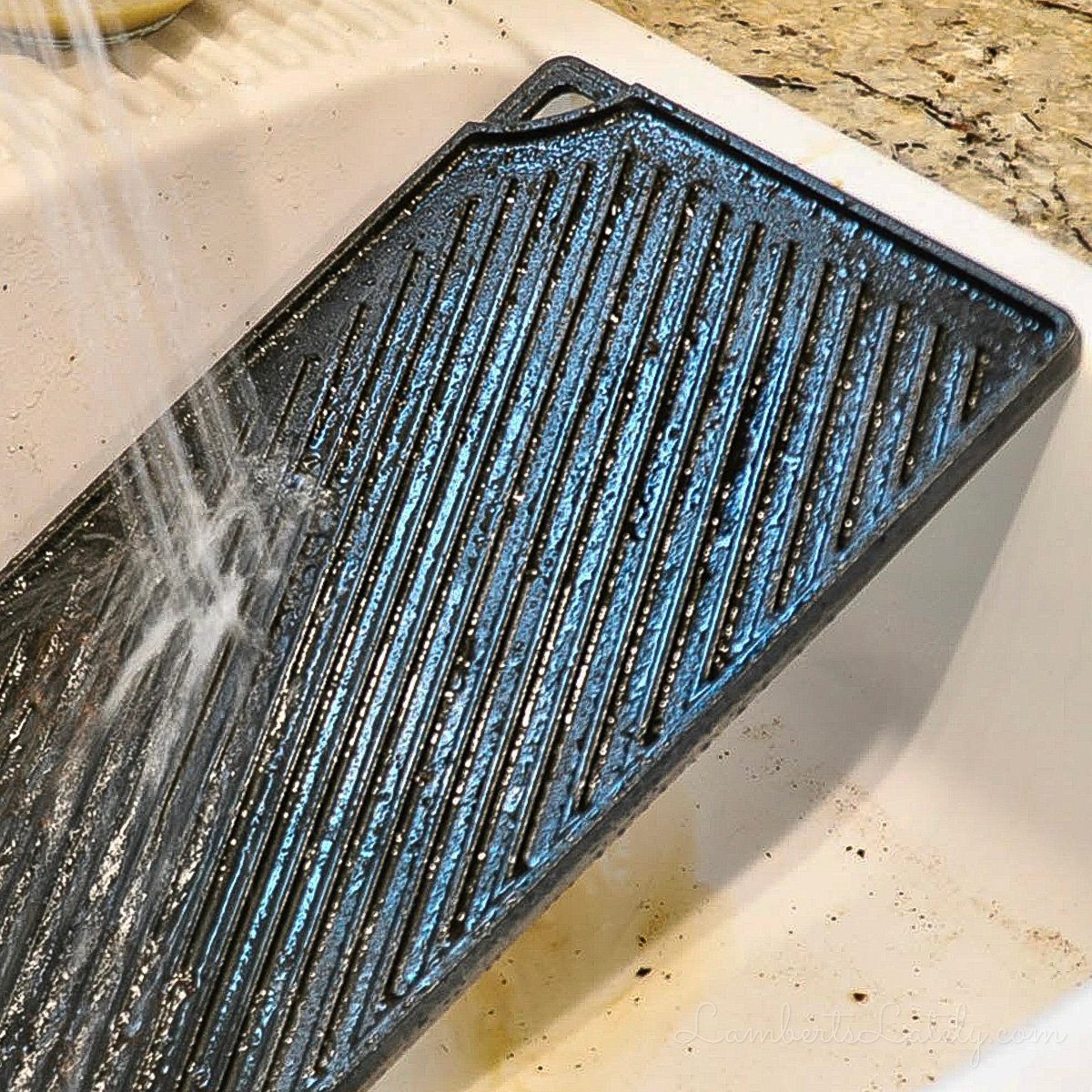
Use a hose or a large sink to rinse grates. Ensure all soap and debris are removed. A gentle spray can clean without damaging the iron. Avoid high pressure to prevent surface scratches. Consider using warm water for better results. Rinsing thoroughly removes any lingering residue.
Preventing Rust With Proper Drying
Drying is vital to prevent rust on your grates. Use a clean towel to pat them dry. Ensure every corner and edge is moisture-free. Air drying can lead to rust, so avoid it. For extra care, place grates on a warm grill. This helps evaporate any remaining moisture. Proper drying keeps your grates rust-free and durable.
Seasoning The Grates
Seasoning your cast iron grates is essential to keep them non-stick, rust-free, and ready for your next grilling session. This process creates a protective layer that improves with every use. If you’ve ever noticed food sticking or rust forming, proper seasoning can fix that and extend your grates’ life.
Choosing The Right Oil
The oil you pick makes a big difference in how well your seasoning holds up. Look for oils with a high smoke point like grapeseed, canola, or vegetable oil. These oils form a durable coating without burning or leaving a sticky residue.
Some people swear by flaxseed oil because it polymerizes into a hard layer, but it can be tricky to apply evenly. Have you tried different oils before? You might find that a simple vegetable oil works just fine for your needs.
Applying Oil Evenly
Even application is key to avoid sticky spots or uneven seasoning. Use a clean cloth or paper towel to rub a thin layer of oil all over the grates. Make sure you cover every nook and cranny, including the edges and underside.
Too much oil can pool and create a sticky mess that ruins your seasoning. If you notice any excess, wipe it off before heating. Think of it like painting a wall—you want a thin, consistent coat for the best finish.
Heating To Seal Seasoning
Heat transforms the oil into a hard, protective layer. Preheat your grill to around 400-450°F and place the oiled grates back inside. Let them heat for about an hour to bake the oil onto the surface.
This process bonds the oil to the iron and creates that coveted non-stick finish. After heating, let the grates cool naturally before using or storing them. Have you noticed how a well-seasoned grate feels smoother and cooks more evenly? That’s the difference good seasoning makes.
Maintaining Clean Grates
Maintaining clean cast iron grates on your gas grill is key to cooking delicious meals and extending the life of your grill. Dirty grates can cause uneven heating and affect the flavor of your food. Regular care not only keeps your grill ready for action but also prevents rust and buildup that can be tough to remove later.
Regular Cleaning Tips
After every grilling session, let the grates cool slightly, then use a stiff wire brush to scrape off any stuck-on food. This quick action stops residue from hardening and makes deep cleaning easier.
Once a month, remove the grates and soak them in warm, soapy water. Use a sponge or nylon scrubber to gently clean all surfaces. Rinse thoroughly and dry completely to prevent rust.
Season your cast iron grates occasionally by rubbing a thin layer of cooking oil on them after cleaning. Heat the grill for 15 minutes to allow the oil to bond, creating a natural non-stick surface.
Avoiding Common Mistakes
Don’t use soap every time you clean your grates—it can strip away the seasoning. Stick to soap only during deep cleans and rinse well to avoid any soapy taste transferring to your food.
Avoid soaking grates for too long, as excess moisture can lead to rust. Dry them quickly with a towel and finish by heating them on the grill for a few minutes.
Never put your cast iron grates in the dishwasher. The harsh detergents and water exposure will damage the seasoning and cause rusting.
Have you ever noticed your food sticking to the grill? It’s often due to insufficient seasoning or leftover residue. Maintaining your grates properly can solve this frustration and improve every meal you grill.
Frequently Asked Questions
How Often Should I Clean Cast Iron Grates?
Clean cast iron grates after every use to prevent buildup. Regular cleaning maintains seasoning and extends grill life. Deep clean monthly for best results.
What Is The Best Tool To Clean Cast Iron Grates?
Use a grill brush with stiff bristles for cleaning. Avoid wire brushes that can damage the seasoning. A scraper or sponge also works well.
Can I Use Soap To Clean Cast Iron Grates?
Avoid soap as it strips seasoning from grates. Warm water and scrubbing are usually enough. Re-season after cleaning if soap is used.
How Do I Re-season Cast Iron Grates After Cleaning?
Apply a thin layer of vegetable oil to grates. Heat the grill for 30 minutes at high temperature. This restores the protective seasoning layer.
Conclusion
Cleaning cast iron grates keeps your gas grill working well. Regular scrubbing stops rust and food build-up. Use simple tools like brushes and soap for best results. Dry the grates fully to avoid damage. Season them lightly with oil to keep them smooth.
Clean grates help your food taste better every time. Take care of your grill, and it will last longer. Easy steps make grill cleaning quick and simple. Enjoy cooking with clean grates that heat evenly.

