
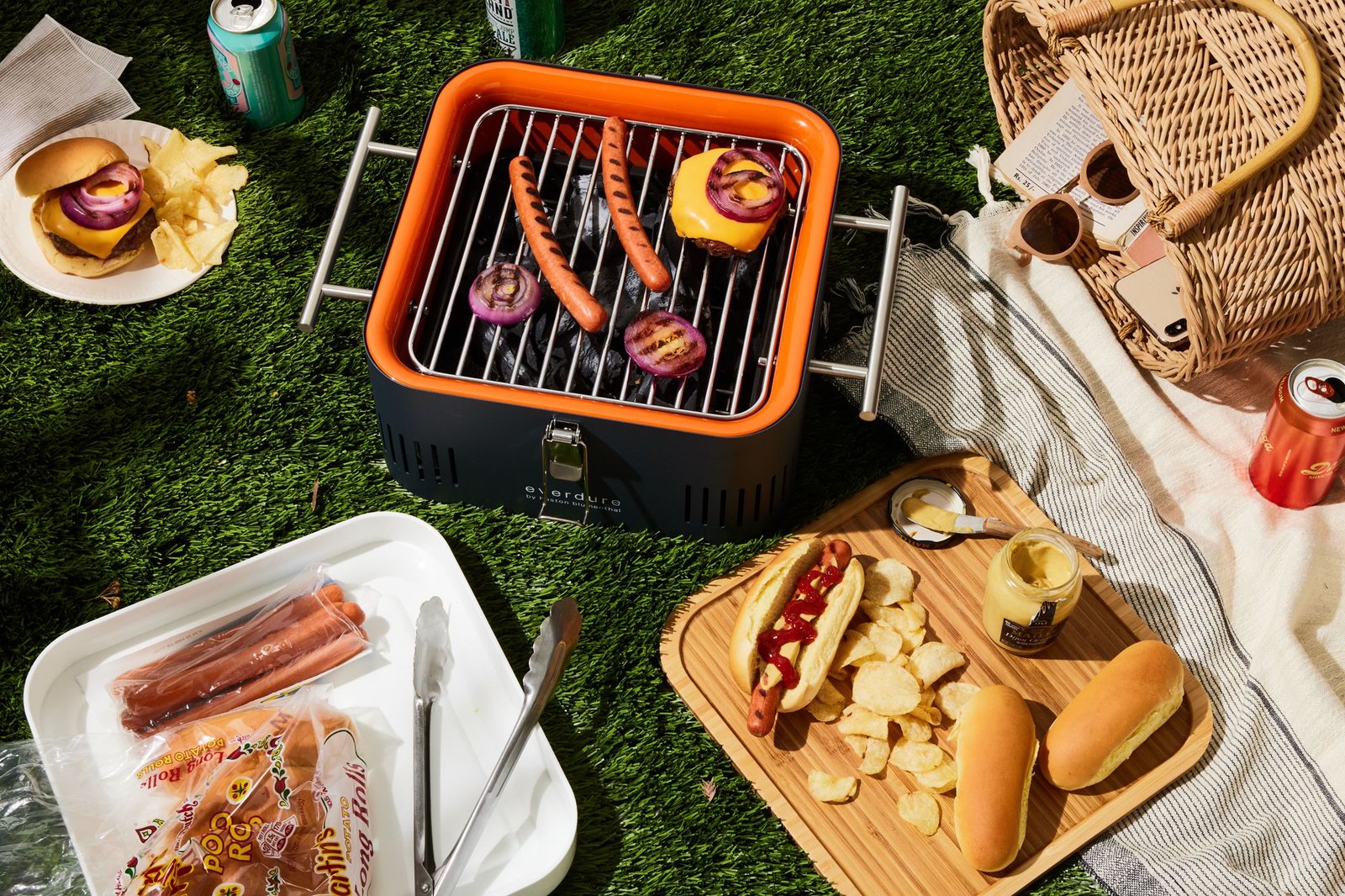
Grilling on a portable grill is a fantastic way to enjoy delicious food wherever you go. But, have you ever struggled with how to arrange your food for the best results?
Getting the layout right can make a huge difference in how evenly your food cooks and how great it tastes. In this guide, you’ll discover simple tips to arrange your food perfectly on a portable grill. By the end, you’ll know exactly where to place each item so you can serve up mouthwatering meals every time.
Ready to become the grill master your friends will admire? Let’s dive in!
Choosing The Right Grill
Choosing the right portable grill sets the foundation for a great grilling experience. It affects how you arrange food and manage heat. Selecting a grill that fits your needs saves time and effort. This guide covers key points to consider.
Types Of Portable Grills
Portable grills come in various types. Each type offers different benefits for cooking and transport.
- Charcoal grills:Provide smoky flavor and high heat. Require more time to light and clean.
- Gas grills:Use propane or butane. Heat up quickly and are easy to control.
- Electric grills:Plug into power sources. Ideal for places where open flames are not allowed.
- Pellet grills:Use wood pellets for fuel. Offer consistent heat and smoky flavor but are less common.
Size And Capacity Considerations
Size affects where you can use the grill and how much food it cooks at once. Think about how many people you usually cook for.
- Small grills suit solo or couple use. Easy to carry and store.
- Medium grills work well for families or small groups.
- Large grills handle big gatherings. Less portable but great for parties.
Choose a grill size that matches your regular cooking needs. Avoid grills that are too big or too small.
Fuel Options And Their Impact
Fuel type influences cooking style, flavor, and convenience.
- Charcoal:Adds smoky taste. Takes longer to heat.
- Gas:Offers fast heating and easy temperature control. Cleaner burning.
- Electric:Best for indoor or no-flame areas. Limited smoky flavor.
Consider fuel availability and where you plan to grill. Choose fuel that fits your lifestyle and preferences.

Credit: www.countryliving.com
Preparing The Grill For Cooking
Arrange food by size and cooking time to ensure even heat distribution on a portable grill. Place thicker items near the hotter zones and smaller pieces on cooler spots for better control. This setup helps prevent burning and keeps everything cooking evenly.
Preparing the Grill for Cooking A well-prepared grill is key to a successful barbecue. Before placing food on the grill, ensure everything is ready. This preparation enhances flavor and reduces cooking time. Let’s dive into the essential steps for preparing your grill.Cleaning And Preheating
Start by cleaning the grill grates. Remove old food particles with a wire brush. This prevents sticking and ensures a clean cooking surface. Next, preheat the grill for about 15 minutes. Preheating helps achieve even cooking temperatures. It also kills lingering bacteria on the grates.Setting Up Heat Zones
Create distinct heat zones on your grill. Use one side for direct heat and the other for indirect heat. This allows flexibility in cooking different foods. Arrange coals or adjust burners accordingly. Direct heat is perfect for searing meats. Indirect heat is ideal for slow cooking.Tools And Accessories Needed
Gather essential grilling tools for a smooth experience. Tongs and spatulas are crucial for handling food. Have a meat thermometer for checking doneness. Keep a spray bottle handy to manage flare-ups. A basting brush is useful for adding sauces. Lastly, ensure you have a grill cover to protect your setup.Selecting And Preparing Food
Selecting and preparing food for a portable grill requires some thought. The right choices ensure easy cooking and great taste. Foods that cook quickly and evenly work best. Preparation can enhance flavor and texture. Proper portion sizes help manage cooking times and avoid crowding the grill.
Best Foods For Portable Grills
- Chicken breasts and thighs
- Beef burgers and steaks
- Hot dogs and sausages
- Fish fillets like salmon or tilapia
- Vegetables such as bell peppers, zucchini, and corn
- Shrimp and other small seafood
- Pre-cooked foods for reheating
Marinating And Seasoning Tips
Use simple marinades with oil, acid, and herbs. Let food soak for 30 minutes to a few hours. Avoid heavy sauces that burn quickly. Sprinkle salt and pepper just before grilling. Use a brush to apply marinades evenly. Experiment with garlic, lemon, or paprika for flavor.
Portion Sizes And Cooking Times
| Food | Portion Size | Approximate Cooking Time |
|---|---|---|
| Chicken breast | 4-6 oz | 6-8 minutes per side |
| Beef steak | 6-8 oz | 4-6 minutes per side |
| Fish fillet | 3-4 oz | 3-5 minutes per side |
| Vegetables | 1/2 inch slices | 4-6 minutes per side |
| Shrimp | 4-6 pieces | 2-3 minutes per side |

Credit: food52.com
Arranging Food On The Grill
Arranging food on a portable grill affects how well it cooks and tastes. A smart layout helps heat reach every piece evenly. It keeps food from burning or sticking. Good arrangement also makes grilling easier and faster. Follow these tips to set your grill perfectly.
Spacing For Even Cooking
Leave space between each item on the grill. Crowding food blocks heat and slows cooking. Small gaps let air and heat move around. This helps food cook evenly and get a nice crust. Keep pieces about an inch apart. Large items need more room to avoid sticking.
Managing Direct And Indirect Heat
Use different zones on the grill for heat control. Place food needing high heat directly over flames. Use indirect heat by moving food to the grill edge or cooler side. This is great for slow cooking or thicker cuts. Rotate food between zones to prevent burning and ensure thorough cooking.
Using Grill Baskets And Skewers
Grill baskets hold small or delicate foods safely. They stop pieces from falling through the grill grates. Skewers help cook small chunks evenly and make flipping simple. Use metal or soaked wooden skewers to avoid burning. Arrange items on skewers with space between pieces for better heat flow.
Cooking Techniques For Perfect Bbq
Mastering the art of cooking on a portable grill goes beyond just placing food on the grates. The right cooking techniques can transform simple ingredients into a memorable BBQ feast. Understanding how to manage heat, timing, and placement will help you achieve perfect results every time you fire up your grill.
Grilling Meats To Perfection
Start by letting your meat come to room temperature before grilling. This helps it cook evenly. Use direct heat for searing steaks or burgers to lock in juices, then move them to indirect heat to finish cooking without burning.
Keep a close eye on thickness and type of meat. Thinner cuts like chicken breasts cook faster and need more attention, while thicker cuts like ribs benefit from slower cooking. Have you tried flipping your meat only once? It often results in better grill marks and juicier meat.
Grilling Vegetables And Fruits
Vegetables and fruits need a gentler touch. Slice them evenly to ensure uniform cooking. Brush with oil to prevent sticking and add flavor.
Use medium heat to avoid charring the outside while leaving the inside raw. Sweet fruits like pineapple or peaches caramelize beautifully, adding a smoky sweetness to your BBQ. Have you experimented with grilling fruit as a dessert or side dish yet?
Avoiding Common Grilling Mistakes
- Don’t overcrowd the grill; it lowers the temperature and causes uneven cooking.
- Avoid pressing down on meat with a spatula, as it squeezes out juices.
- Don’t lift the lid too often—keep heat steady and cooking consistent.
These simple mistakes can make the difference between a dry meal and a juicy, flavorful one. What’s one grilling mistake you’ve learned to avoid the hard way?

Credit: www.popularmechanics.com
Safety And Maintenance Tips
Keeping your portable grill safe and well-maintained is just as important as arranging your food correctly. Handling hot surfaces with care, shutting down the grill properly, and cleaning after cooking all help extend your grill’s life and keep you injury-free. These simple actions make every grilling session more enjoyable and worry-free.
Handling Hot Surfaces Safely
Always use heat-resistant gloves or tools when touching or moving your grill’s parts. Avoid using bare hands near the grill, even if it looks cool, because residual heat can cause burns. Keep a spray bottle of water nearby to quickly douse any flare-ups that might surprise you.
Think about the last time you underestimated a hot grill handle—did it ruin your fun? Taking extra care to handle surfaces safely prevents those painful moments and keeps you focused on the food.
Proper Grill Shutdown
Turn off the gas supply or extinguish the charcoal completely after cooking. Closing the grill lid helps smother flames and cools down the cooking area faster. Don’t pack up your grill immediately; let it rest until it is safe to touch and move.
Have you ever tried rushing to pack up while the grill was still hot? Waiting a few extra minutes avoids accidents and damage to your equipment, making your next grill-out smoother.
Post-cooking Cleanup
Clean the grill grates while they are still warm using a grill brush to remove stuck-on food easily. Empty ash or grease trays to prevent buildup that can cause fires or bad smells. Wiping down the exterior keeps your grill looking new and ready for the next use.
Regular cleaning not only improves the taste of your food but also saves money by extending your grill’s lifespan. What small cleaning habit could you add today to make your next barbecue easier and safer?
Frequently Asked Questions
How To Prevent Food From Sticking On A Portable Grill?
To prevent sticking, preheat the grill and oil the grates well. Use non-stick spray or brush oil on food. Avoid moving food too soon; let it sear properly. Clean grill grates regularly to maintain a smooth surface for cooking.
What’s The Best Way To Arrange Different Foods On A Portable Grill?
Place thicker, longer-cooking items like chicken or steaks on hotter spots. Arrange vegetables and delicate foods on cooler sides. Keep seafood separate to avoid cross-flavors. Organize by cooking time to manage grilling efficiently and avoid overcooking.
How To Maximize Space On A Small Portable Grill?
Use skewers or grill baskets to hold smaller items. Cut food into uniform sizes for even cooking. Arrange items tightly but avoid overcrowding for proper heat circulation. Prioritize foods that cook quickly to turn and serve in batches.
Can I Grill Vegetables And Meat Together Safely?
Yes, but keep raw meat separate from vegetables initially. Use different utensils to avoid cross-contamination. Cook meat thoroughly before combining with vegetables. This ensures food safety and prevents flavor mixing on your portable grill.
Conclusion
Arranging food well on a portable grill makes cooking easier and tastier. Keep space between items for even heat. Place thicker foods near hotter spots. Use separate areas for vegetables and meat. Turn food often to avoid burning. Clean the grill after cooking to keep it ready.
These simple tips help you enjoy great grilled meals anywhere. Happy grilling!

