
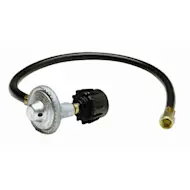
Are you unsure if your gas grill is working safely and efficiently? One key part you need to check is the pressure regulator.
This small device controls the flow of gas and keeps your grill running smoothly. If it’s not working right, your grill might not heat properly or, worse, it could be dangerous. In this guide, you’ll learn simple steps to check your gas grill pressure regulator quickly and easily.
By the end, you’ll feel confident that your grill is safe and ready for your next cookout. Keep reading—you don’t want to miss these important tips!

Credit: www.amazon.ca
Gas Grill Pressure Regulator Basics
Understanding the basics of your gas grill’s pressure regulator is key to maintaining a safe and efficient cooking experience. This small but crucial component controls the flow of gas from the tank to the grill, ensuring the right pressure for optimal flame performance. Knowing what it does and the types available can help you spot issues early and keep your grill running smoothly.
Role In Grill Safety
The pressure regulator acts as a gatekeeper for gas flow, preventing too much pressure from reaching your grill. Too much pressure can cause flare-ups, uneven heating, or even damage to the grill’s internal parts. On the other hand, too little pressure can lead to weak flames that won’t cook your food properly.
Have you ever noticed your grill’s flame flickering or sputtering? This might be a sign that your regulator isn’t working right. A properly functioning regulator keeps your grill safe by maintaining steady pressure, reducing the risk of dangerous gas leaks or unexpected bursts of flame.
Common Types
There are a few types of gas grill pressure regulators you might encounter. The most common are:
- Single-stage regulators:These adjust the gas pressure in one step and are typically found on smaller, portable grills.
- Two-stage regulators:These offer more precise control by reducing pressure in two stages, making them ideal for larger or more complex grills.
- Adjustable regulators:These allow you to manually set the pressure, giving you more control but requiring careful handling to avoid safety issues.
Choosing the right type depends on your grill’s size and how you use it. Have you checked which regulator your grill uses? Knowing this can help you troubleshoot issues or decide if an upgrade is necessary for better performance.
Signs Of Regulator Issues
Recognizing the signs of a faulty gas grill pressure regulator can save you from unsafe grilling and unexpected interruptions. The regulator controls the flow of gas, so when it malfunctions, your grill’s performance changes noticeably. Paying attention to these signs helps you identify issues early and keep your grill running smoothly.
Irregular Flame Patterns
If your grill flames flicker wildly, are too high, or barely ignite, the regulator might be the culprit. Flames that are uneven or sputter can mean the gas pressure is unstable. Have you noticed your flame suddenly turning yellow or orange instead of blue? This often points to irregular gas flow caused by a failing regulator.
Gas Odor Detection
Smelling gas around your grill is a serious warning sign. A leaking or broken regulator can allow gas to escape before reaching the burner. Never ignore this smell—turn off the gas supply immediately and check your regulator for cracks or damage. Your safety depends on catching this early.
Difficulty Lighting
When your grill struggles to light or takes longer than usual, suspect the regulator. Insufficient or inconsistent gas pressure means the burners don’t get enough fuel to ignite properly. If you’ve cleaned your grill and replaced batteries in your igniter but still face lighting issues, inspecting the regulator is a smart next step.
Tools Needed For Pressure Testing
A pressure gauge and a soap solution help detect leaks in the gas grill regulator. A wrench is useful for loosening connections during testing. These simple tools ensure safe and accurate pressure checks.
Checking the pressure regulator of your gas grill is crucial for safety and performance. It ensures that your grill operates efficiently, without any hitches. To perform this task properly, having the right tools is essential. Let’s dive into the necessary tools you’ll need to carry out a pressure test on your gas grill.Pressure Gauge Selection
Choosing the right pressure gauge is the first step. Look for a gauge that can accurately read low pressures, as grill regulators typically operate at lower levels. A gauge with a scale of 0-30 PSI is usually sufficient for most grills. Make sure it comes with a suitable connection fitting to attach easily to your grill’s regulator.Additional Safety Gear
Safety should never be compromised. Always have safety goggles and gloves on hand to protect yourself from potential gas leaks or accidents. A bottle of soapy water is also a handy tool to detect leaks—apply it to connections and look for bubbles. Do you have a fire extinguisher nearby? It’s a precaution worth taking when dealing with gas appliances. Ensuring you have the right tools and safety gear not only makes the task easier but also keeps you safe. Have you ever found yourself in a tricky situation due to the lack of proper tools? Preparing ahead can save you time and stress.Step-by-step Pressure Check
Checking the gas grill pressure regulator is key to safe and efficient grilling. This step-by-step pressure check guides you through the process. It helps spot pressure issues that affect grill performance. Follow these simple steps to keep your grill working well.
Preparing The Grill
Start by turning off the gas supply. Make sure all grill knobs are in the off position. Allow the grill to cool down if recently used. Clear the area around the grill for easy access. Remove any dirt or debris near the regulator and hose.
Attaching The Pressure Gauge
Use a pressure gauge designed for gas grills. Attach the gauge to the regulator’s outlet or hose connection. Ensure the connection is tight to avoid leaks. Hand-tighten only; do not use tools that can damage fittings. Check the gauge instructions for proper attachment.
Reading The Pressure Levels
Turn on the gas supply slowly. Watch the pressure gauge needle move. Note the pressure reading when the grill is off and when the burners are on. Compare these numbers to your grill’s recommended pressure range. Record the readings for reference.
Interpreting The Results
Normal pressure varies by grill model. Low pressure may mean a weak regulator or gas flow issues. High pressure can cause unsafe grill operation. Pressure that jumps or drops quickly indicates a faulty regulator. Replace the regulator if readings are outside the safe range.
Troubleshooting Common Problems
Troubleshooting common problems with your gas grill pressure regulator helps keep your grill safe and working well. Problems like leaks or blockages can stop gas flow or cause unsafe conditions. Identifying these issues early prevents bigger repairs and keeps your grill ready for cooking.
Leaks And Blockages
Leaks in the pressure regulator can cause gas to escape, which is dangerous. Check for leaks by applying soapy water to the connections. Bubbles show where gas is leaking. Tighten fittings or replace damaged parts to stop leaks.
Blockages reduce gas flow and cause weak flames. Dirt, rust, or debris often cause blockages. Disconnect the regulator and inspect it for clogs. Clean with compressed air or replace the regulator if cleaning does not help.
Regulator Replacement Tips
Choose the right replacement regulator for your grill model. Check the pressure rating and connection type before buying. Use a wrench to remove the old regulator carefully. Avoid damaging the gas valve during removal.
Install the new regulator by securing it tightly to the gas valve. Test for leaks again using soapy water. Replace the regulator if you notice cracks or if it does not regulate pressure properly. Regular replacement every few years ensures safe grill operation.

Credit: www.gok-blog.de
Maintaining Your Regulator
The gas grill pressure regulator plays a key role in your grill’s safety and performance. Maintaining your regulator ensures steady gas flow and prevents hazards. Simple habits keep it working well and extend its life. Follow easy steps to protect this vital part.
Regular Inspection Schedule
Check the regulator before every grilling season. Look for cracks, rust, or damage on the body and connections. Inspect the hose for leaks or wear. Use soapy water on joints to spot bubbles indicating leaks. Replace parts showing signs of wear or damage immediately. Keeping a routine inspection helps catch problems early and avoids grill malfunctions.
Proper Storage Practices
Store the regulator in a dry, cool place when not in use. Avoid exposure to direct sunlight or extreme heat. Remove the regulator from the gas tank during long breaks. Protect it from dust and moisture by covering it with a clean cloth. Proper storage prevents corrosion and extends the regulator’s lifespan.

Credit: www.gasbottleswimbledon.com
Frequently Asked Questions
How Do I Test My Gas Grill Pressure Regulator?
To test, first turn off the gas supply. Disconnect the regulator and inspect for damage. Use a manometer to measure pressure. Normal pressure is about 10-14 inches of water column. Replace the regulator if readings are inconsistent or below standard.
What Causes A Gas Grill Regulator To Fail?
Regulator failure often results from dirt, debris, or moisture inside. Prolonged exposure to weather can cause cracks or corrosion. Faulty regulators may cause low flame or gas leaks. Regular cleaning and proper storage help prevent failure and ensure safety.
Can A Faulty Regulator Affect Grill Performance?
Yes, a faulty regulator can cause uneven flames and low heat. It may also cause the grill to shut off unexpectedly. Consistent gas pressure is crucial for proper grill function. Replacing a bad regulator improves cooking efficiency and safety.
How Often Should I Replace The Gas Grill Regulator?
Replace the regulator every 3-5 years or if damaged. Inspect it annually for cracks, leaks, or rust. If you notice flame irregularities or gas smell, replace it immediately. Regular maintenance ensures safe and efficient grilling.
Conclusion
Checking your gas grill pressure regulator helps keep your grill safe and working well. Regular checks prevent gas leaks and uneven cooking. Use simple tools and follow clear steps to test the pressure. Notice any odd smells or weak flames.
Replace the regulator if you find problems. Taking care of your grill parts saves money and time later. Stay safe and enjoy better grilling every time you cook outdoors.

