
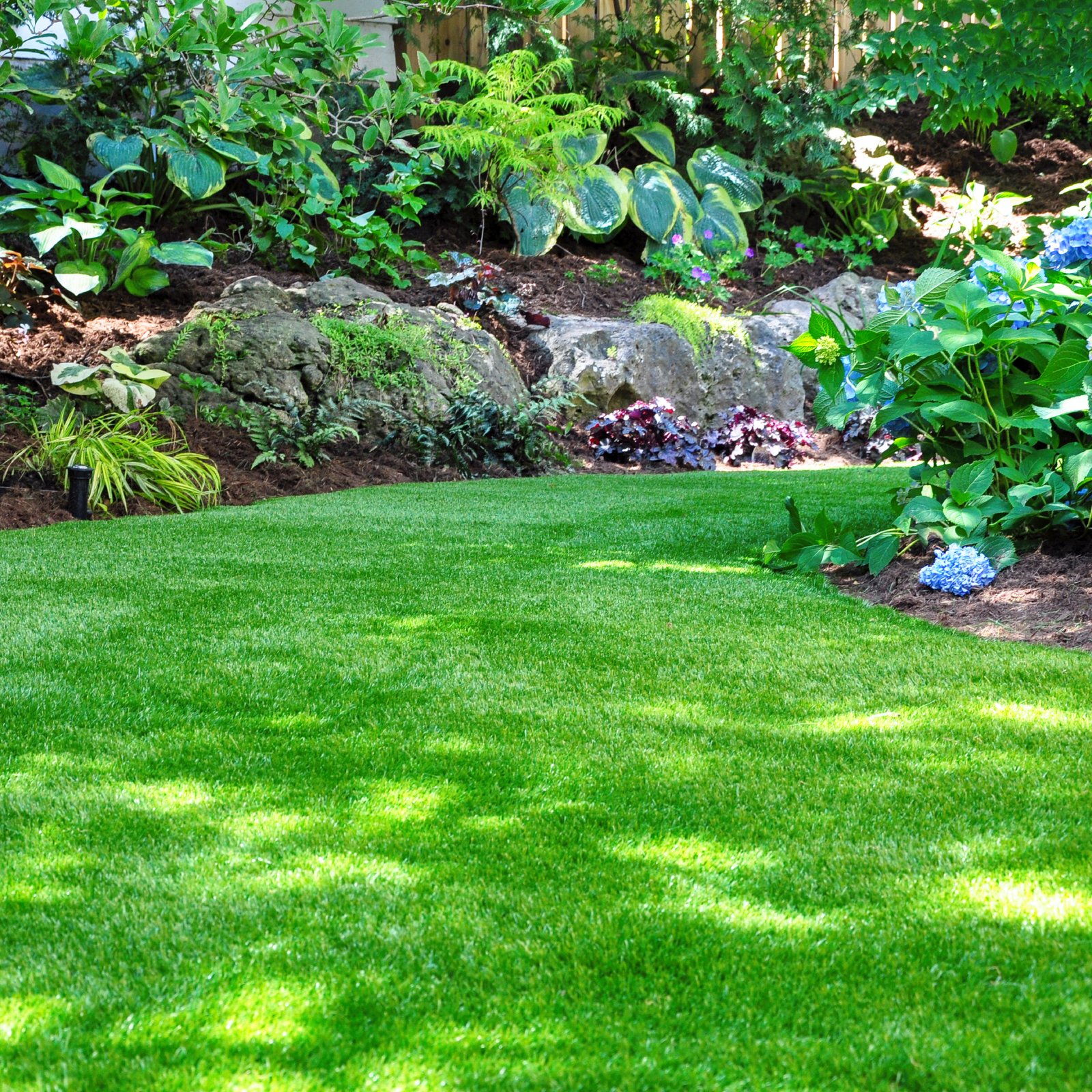
Looking to transform your backyard without the hassle of constant lawn care? Using ground cover for backyard landscaping could be the simple solution you need.
Imagine stepping outside to a lush, green space that stays vibrant with less effort and water. You’ll discover how ground cover plants can save you time, reduce weeds, and add beauty to your outdoor space. Keep reading to learn easy tips and ideas that will help you create the backyard you’ve always wanted.

Credit: www.yahoo.com
Benefits Of Ground Cover
Ground cover is more than just a pretty addition to your backyard—it offers multiple practical benefits that can transform your outdoor space. Using ground cover wisely can save you time, improve your soil, and protect your landscape in ways you might not expect. Have you thought about how much easier your yard could be to manage with the right plants covering the ground?
Enhancing Aesthetic Appeal
Ground cover adds layers and texture to your backyard, making it visually interesting all year round. Instead of bare soil or patchy grass, you get a lush, green carpet that complements your garden beds and hardscapes. Think about how a well-chosen ground cover like creeping thyme or sedum can bring color and life to shady or tricky spots.
Reducing Maintenance
Do you spend too much time pulling weeds or watering your lawn? Ground cover can reduce both chores significantly. These plants grow close to the soil, blocking weeds naturally and retaining moisture, so you don’t have to water as often.
- Less frequent mowing compared to grass
- Fewer weeds invading your garden beds
- Lower water requirements in many cases
Preventing Soil Erosion
Have you noticed soil washing away after heavy rains? Ground cover acts like a protective shield for your soil, holding it in place with roots that bind the earth together. This is especially helpful on slopes or areas prone to runoff, keeping your landscape stable and healthy.
Improving Soil Health
Ground cover doesn’t just sit on top of the soil—it actively improves it. Certain plants fix nitrogen, add organic matter, and support beneficial microbes underground. Over time, this creates richer soil that supports stronger plants across your entire yard.
Choosing The Right Ground Cover
Choosing the right ground cover for your backyard can transform your outdoor space into a vibrant, low-maintenance haven. The secret lies in picking varieties that suit your environment and personal style. Think beyond just looks—consider how well your ground cover will thrive and what role it will play in your landscape.
Assessing Climate And Soil
Your backyard’s climate and soil type are the foundation for successful ground cover. Is your area hot and dry, cool and moist, or somewhere in between? Knowing this helps you select plants that won’t struggle.
Test your soil to understand its texture and pH. Sandy soil drains quickly, while clay retains water. This affects which plants will grow well without extra effort.
Low-growing Vs. Taller Varieties
Decide if you want a carpet-like ground cover or something with more height and texture. Low-growing plants like creeping thyme create a soft, dense mat that’s perfect for walkways.
Taller varieties, such as sedum or ajuga, add dimension and can fill larger spaces beautifully. What look do you want? Flat and tidy or layered and lush?
Flowering Vs. Foliage Options
Flowering ground covers bring seasonal color and fragrance but often need more care. Options like creeping phlox bloom brilliantly in spring, giving your yard a cheerful boost.
Foliage ground covers focus on leaves and texture, offering year-round interest with less upkeep. Think of plants like hostas or pachysandra that keep your space green and attractive through all seasons.
Drought-tolerant Choices
If watering is a challenge, drought-tolerant ground covers are lifesavers. They survive on minimal water, saving you time and resources.
Consider plants like sedum, ice plant, or blue star creeper. These species handle dry spells without losing their charm, perfect for sustainable gardening.
Preparing Your Backyard
Preparing your backyard properly sets the stage for beautiful ground cover landscaping. It helps plants grow strong and spread evenly. Taking time to get your space ready avoids problems later. A clean, healthy soil base ensures your ground cover thrives and looks great.
Clearing Existing Vegetation
Remove weeds, grass, and unwanted plants carefully. Use a shovel or garden hoe to clear roots fully. Raking the area helps gather leftover debris. This step gives your ground cover room to grow well. Clear soil allows better water and nutrient absorption.
Soil Testing And Amendment
Test your soil to check pH and nutrient levels. Home testing kits or local extension services work well. Add lime to raise pH or sulfur to lower it. Mix in compost or organic matter for richer soil. Healthy soil supports strong root systems and vibrant growth.
Designing Layout Patterns
Plan your ground cover arrangement before planting. Consider shapes, colors, and plant heights. Create patterns that complement your backyard style. Use curves or straight lines for visual interest. Mark areas with stakes or string to guide planting.
Creating Proper Drainage
Check your backyard for water pooling or poor drainage spots. Level the ground slightly to direct water flow away from plants. Add gravel or sand in heavy soil to improve drainage. Good drainage prevents root rot and helps plants stay healthy.
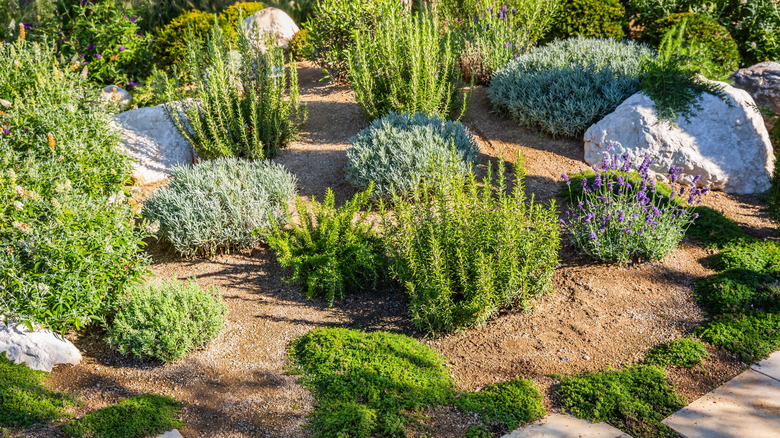
Credit: www.outdoorguide.com
Planting Ground Cover
Ground cover plants create a lush, green carpet that reduces weeds and soil erosion. Choose low-growing varieties to fill empty spaces and brighten your backyard. They need little care and grow quickly, making landscaping easy and attractive.
Planting ground cover can transform your backyard into a lush, vibrant space that requires minimal maintenance. These low-growing plants are perfect for filling in bare spots, controlling erosion, and adding texture to your landscape. Whether you’re looking to replace grass or add color to a shady area, knowing how to plant ground cover effectively is key to achieving a thriving garden.Timing For Best Growth
Choosing the right time to plant your ground cover can make all the difference. Generally, the best time to plant is during the cooler months of spring or fall. This gives the plants a chance to establish their roots before the extreme temperatures of summer or winter. Imagine the success you’ll see when you give your plants the ideal conditions to thrive.Spacing And Arrangement
Proper spacing is crucial for healthy growth and coverage. Aim for a space that allows the plants to spread without competing for resources. Consider the mature size of your chosen ground cover and arrange them in a pattern that complements your landscape design. Visualize your backyard as a masterpiece, with each plant playing a vital role in the overall picture.Planting Techniques
Prepare the soil by removing weeds and adding organic matter to ensure good drainage. Dig holes that are twice the width of the root ball but not deeper. Gently place the plant in the hole, ensuring the top of the root ball is level with the soil surface. Cover with soil and press down lightly. Have you ever tried planting with a friend? It can make the process quicker and more enjoyable.Watering And Mulching
After planting, water your ground cover thoroughly. Consistent moisture is essential for the first few weeks. However, avoid overwatering, which can lead to root rot. Mulching helps retain moisture, regulate soil temperature, and suppress weeds. Consider using organic mulch like shredded bark or straw. Do you know how rewarding it feels to see your plants thriving thanks to your care and attention? By paying attention to these details, you can ensure your ground cover will flourish, adding beauty and function to your backyard.Maintaining Ground Cover
Maintaining ground cover is essential to keep your backyard looking lush and healthy. Neglecting care can lead to patchy areas and unwanted weeds taking over. By paying attention to watering, weeding, fertilizing, and pruning, you ensure your ground cover thrives throughout the seasons.
Watering Schedule
Ground cover plants generally need consistent moisture, especially during their first few months. You don’t want to overwater, as this can cause root rot, but dry soil will stunt growth. A good rule is to water deeply once or twice a week, adjusting based on rainfall and temperature.
Have you noticed some spots in your yard staying wetter than others? Target those areas less frequently to avoid soggy soil. Using a soaker hose can help deliver water evenly without wasting it.
Weed Control Strategies
Weeds compete with your ground cover for nutrients and space, so managing them early is key. Pull weeds by hand when you see them to prevent seeds from spreading. Mulching around ground cover can also block sunlight, making it harder for weeds to grow.
Be cautious with herbicides near delicate ground cover; some chemicals can harm your plants. Regularly inspect your backyard and remove any invasive plants promptly to keep your ground cover healthy.
Fertilizing Tips
Fertilize ground cover plants to promote dense, vibrant growth but avoid overfeeding. Use a balanced, slow-release fertilizer in early spring to give plants a nutrient boost for the growing season. Organic options like compost or well-rotted manure can improve soil health naturally.
Too much fertilizer can cause rapid growth that weakens roots. Watch your plants for signs like yellowing leaves or stunted growth to adjust your feeding schedule accordingly.
Pruning And Trimming
Regular pruning keeps ground cover neat and prevents it from overtaking other plants or pathways. Trim back overgrown sections after the growing season to encourage fresh, new shoots. This also helps maintain airflow, reducing the risk of fungal diseases.
Don’t be afraid to cut ground cover back aggressively if it looks unhealthy or sparse. You might be surprised how quickly it bounces back with proper care.
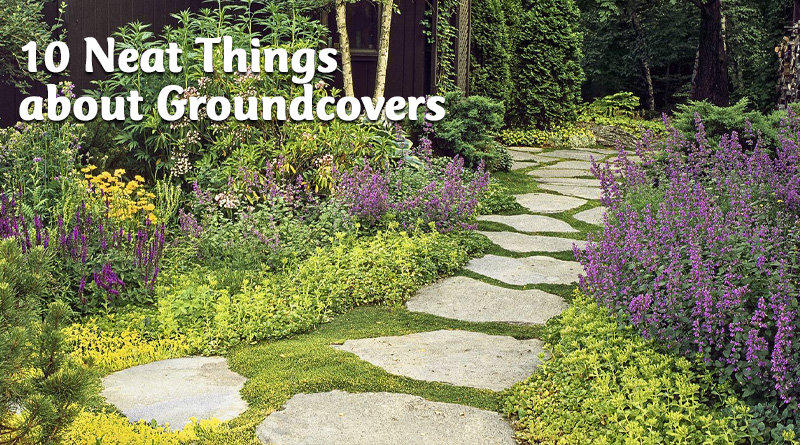
Credit: localgardener.net
Creative Ground Cover Ideas
Creative ground cover ideas bring life and charm to backyard landscaping. They help fill empty spaces with beauty and function. Ground covers offer a variety of options beyond just grass. You can mix colors, textures, and purposes to make your backyard unique.
Combining Textures And Colors
Mix ground covers with different leaf shapes and sizes. Soft mosses blend well with spiky sedums. Bright green creeping thyme contrasts with silver-gray lamb’s ear. Use color contrasts to highlight garden areas. Combine dark green with light green or purple leaves. Changing textures adds depth to flat spaces. This variety creates a natural, inviting look.
Using Ground Cover In Pathways
Ground covers soften hard edges of stone or gravel paths. Low-growing plants like creeping Jenny or Irish moss work well. They create a cushioned feel underfoot. Fill gaps between pavers to prevent weeds. These plants add color and reduce dust. Paths become more inviting and blend into the garden. Choose durable types that tolerate foot traffic.
Incorporating Edible Plants
Use edible ground covers to combine beauty and function. Strawberries spread quickly and produce tasty fruit. Creeping thyme offers small leaves and fragrant flowers. These plants attract pollinators to your garden. Edible ground covers save space in small yards. They provide fresh herbs and fruits within easy reach. This choice makes your backyard practical and charming.
Creating Wildlife-friendly Spaces
Ground covers can invite birds, bees, and butterflies. Choose native plants that provide food and shelter. Clover and wildflowers support pollinators. Dense ground covers like juniper offer hiding spots for small animals. This approach boosts backyard biodiversity. It creates a peaceful, natural environment. Wildlife-friendly ground covers enrich your garden’s ecosystem.
Frequently Asked Questions
What Is The Best Ground Cover For Backyard Landscaping?
The best ground cover depends on your climate and soil type. Popular options include creeping thyme, sedum, and clover. These plants reduce erosion and require less maintenance than grass, making them ideal for low-care backyard landscaping.
How Do I Prepare Soil For Ground Cover Planting?
Clear debris and weeds first. Loosen soil to improve drainage and root growth. Add organic compost to enrich the soil. Proper preparation ensures healthy ground cover establishment and long-lasting growth.
Can Ground Cover Reduce Backyard Maintenance?
Yes, ground cover reduces maintenance by limiting weed growth and soil erosion. It also requires less mowing and watering than grass, saving time and effort in backyard care.
How Often Should I Water Newly Planted Ground Cover?
Water newly planted ground cover daily for the first two weeks. After establishment, reduce watering to once or twice weekly. Proper watering encourages strong root development and healthy growth.
Conclusion
Ground cover plants add beauty and function to any backyard space. They help reduce soil erosion and keep weeds away. Choose plants that fit your climate and soil type. Easy-care options save time and effort for busy gardeners. Mixing different ground covers can create a unique look.
Remember to water and maintain them properly. Small steps lead to a greener, healthier yard. Enjoy the natural charm ground cover brings to your landscaping.

