
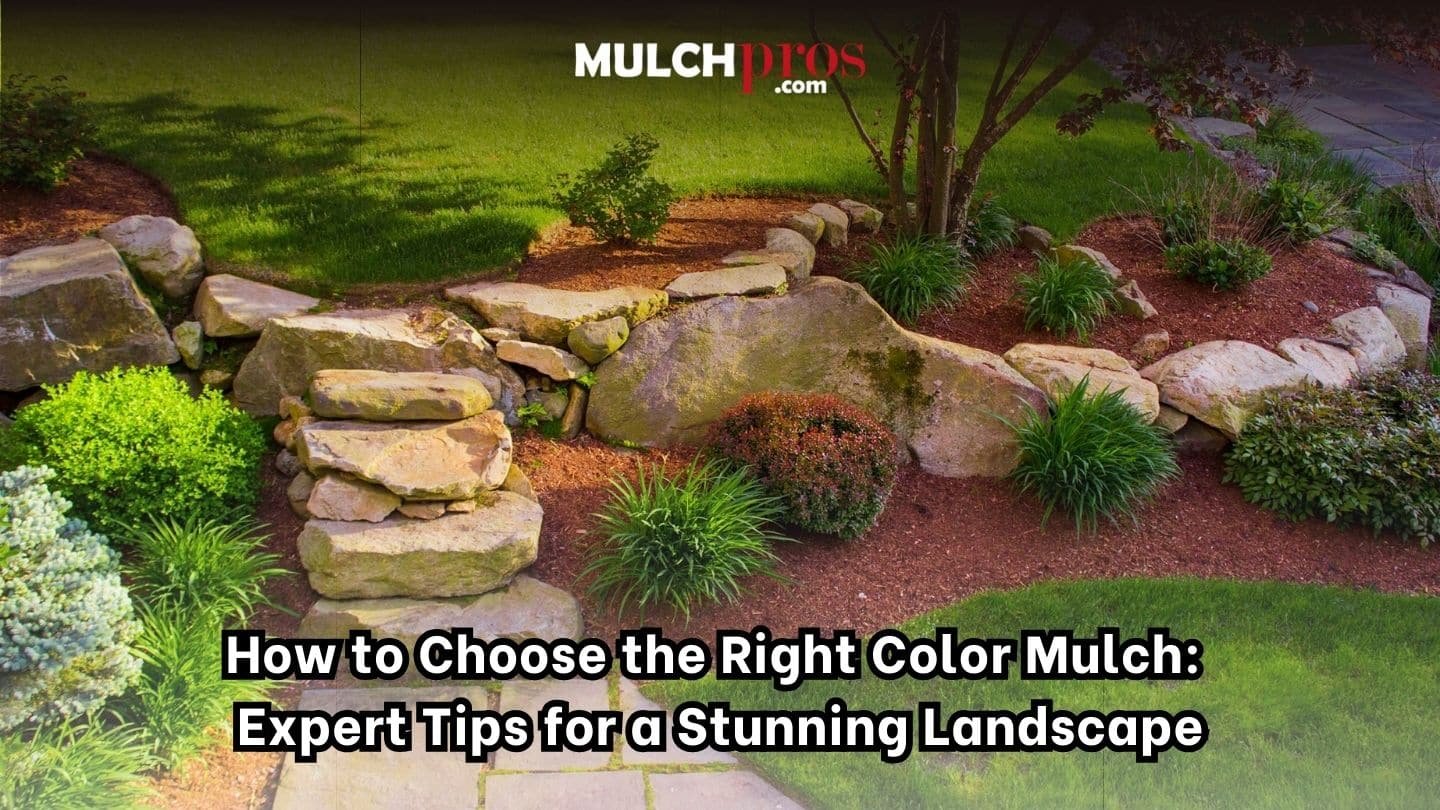
Choosing the right mulch for your yard might seem simple, but it can make a huge difference in how your garden looks and grows. You want your plants to thrive, your soil to stay healthy, and your outdoor space to feel inviting.
But with so many options available, how do you pick the best one for your needs? You’ll discover easy tips to help you select the perfect mulch that fits your yard’s unique style and purpose. Keep reading, and you’ll soon be ready to transform your garden with confidence.
Benefits Of Mulching
Mulching does more than just make your yard look neat. It plays a key role in maintaining a healthy garden ecosystem. Understanding the benefits of mulching can help you decide what type to use and how to get the most out of it in your yard.
Moisture Retention
Mulch acts like a protective blanket over your soil, keeping moisture from evaporating too quickly. This means you can water less often and still keep your plants hydrated. Have you noticed how your garden stays greener longer after a layer of mulch is added?
Weed Control
Weeds compete with your plants for nutrients and water. Mulch blocks sunlight from reaching weed seeds, stopping them from sprouting. You’ll spend less time pulling weeds and more time enjoying your garden’s beauty.
Soil Temperature Regulation
Mulch helps keep your soil cooler in hot weather and warmer during cold spells. This steady temperature protects delicate roots and encourages consistent growth. Think about how plants seem healthier when the soil isn’t stressed by extreme heat or frost.
Improved Soil Health
Organic mulches break down over time, adding valuable nutrients back into the soil. This natural process feeds earthworms and beneficial microbes, which improves soil structure. Have you ever noticed the rich, crumbly soil after a season of mulching?
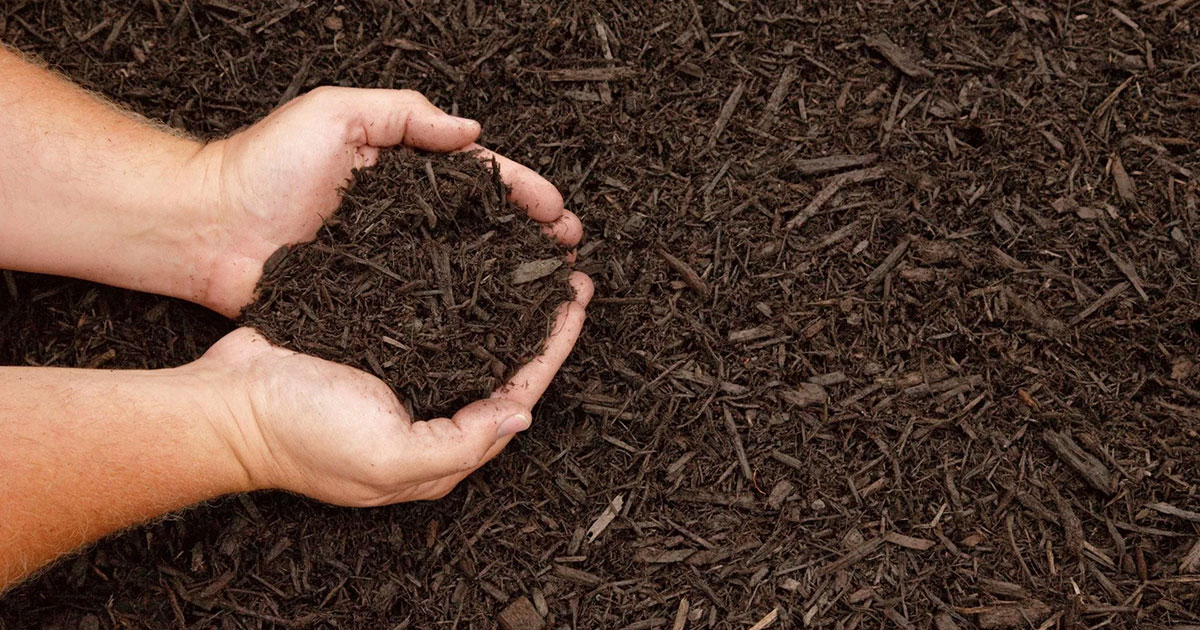
Credit: sandmansalesyard.com
Types Of Mulch
Choosing the right mulch can improve your yard’s health and look. Mulch types vary in material and benefits. Knowing the different kinds helps you pick one that suits your garden needs. Mulch mainly falls into two groups: organic and inorganic. Each type offers unique features to support plant growth and soil care.
Organic Mulch Options
Organic mulches come from natural materials. They break down over time, adding nutrients to the soil. Common organic mulches include:
- Wood chips and bark
- Straw or hay
- Grass clippings
- Leaves
- Compost
These mulches help retain moisture and improve soil structure. They also attract beneficial insects and earthworms. Organic mulch needs occasional replenishing as it decomposes.
Inorganic Mulch Choices
Inorganic mulches are made from non-living materials. They do not break down or add nutrients to the soil. Popular inorganic mulches include:
- Gravel and small stones
- Plastic sheeting
- Rubber mulch
- Landscape fabric
These mulches offer long-lasting weed control. They help with drainage and prevent soil erosion. Inorganic mulch requires less maintenance but does not enrich the soil.
Choosing Mulch By Yard Needs
Choosing the right mulch depends on your yard’s size, plant types, and soil condition. Consider durability, moisture retention, and appearance to match your garden’s needs. Mulch helps protect plants and keeps your yard looking neat all year.
Choosing Mulch by Yard Needs Selecting the right mulch can elevate the health and appearance of your yard. Each area of your yard has unique needs, and choosing the appropriate mulch is crucial. Let’s explore how different types of mulch can meet these specific requirements.Mulch For Flower Beds
Flower beds thrive with organic mulch like shredded bark or wood chips. These types not only enhance the soil but also retain moisture, essential for vibrant blooms. Consider color and texture to complement your garden design.Mulch For Vegetable Gardens
For vegetable gardens, opt for straw or compost. These mulches enrich the soil while preventing weeds, a win-win for your veggies. A layer of straw keeps your tomatoes and cucumbers happy by maintaining soil temperature.Mulch For Trees And Shrubs
Trees and shrubs benefit from a thicker layer of wood chips. This mulch mimics their natural habitat, supporting root growth and suppressing weeds. Remember to keep it a few inches away from the trunk to prevent rot.Mulch For Paths And Walkways
Paths and walkways require durable mulch like gravel or stone. These materials withstand foot traffic and weather changes, maintaining a neat appearance. Do you want a rustic or modern look? Choose accordingly to enhance your landscape’s charm.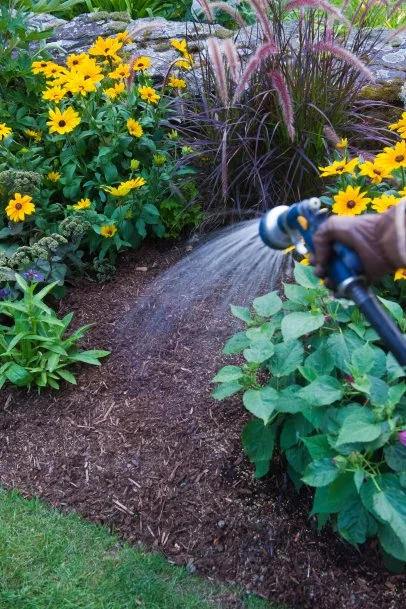
Credit: www.hgtv.com
Color And Texture Considerations
Choosing the right color and texture of mulch can dramatically change the look and feel of your yard. These elements don’t just sit quietly under your plants—they interact with light, plants, and hardscaping to create a cohesive outdoor space. Paying attention to these details can make your garden look professionally designed and well cared for.
Matching Mulch To Landscape Style
Think about the style of your landscape before picking mulch color and texture. A modern garden with clean lines usually benefits from smooth, dark mulch like black or dark brown to keep the look sleek and simple.
In a rustic or woodland setting, rough-textured mulch like shredded bark or pine needles enhances the natural vibe. Brightly colored mulches, such as red or dyed hardwood, might suit more vibrant, playful gardens but can feel out of place in a minimalist design.
Ask yourself: Does your mulch choice support the mood you want, or does it distract? Matching mulch to your style makes your entire yard feel more intentional and inviting.
Impact On Aesthetics
Color affects how your plants and flowers appear. Dark mulches often make greens pop and bright blooms stand out, while lighter mulches provide a softer, more understated backdrop.
Texture also plays a big role. Fine mulch creates a neat, uniform look, while coarse mulch adds depth and natural interest. Think about how the mulch texture will look as it ages and weathers—will it stay attractive or become a mess?
Consider how mulch color changes under different lighting. A color that looks great in the morning sun might seem dull or harsh in the afternoon. Experiment with small patches first to see how the color and texture impact your yard’s overall feel.
Application Tips
Applying mulch correctly can make a big difference in your yard’s health and appearance. Knowing the right way to lay it down ensures plants thrive and weeds stay at bay. Let’s look at some tips to help you get the most out of your mulch.
Proper Mulch Depth
Too little mulch won’t protect your soil or prevent weeds effectively. Aim for a layer that is about 2 to 4 inches thick. This depth keeps moisture in and temperature steady without suffocating plant roots.
If you pile it on too thick, water might have trouble reaching the soil, and roots could start to rot. Think about how thick the mulch feels under your fingers—should be enough to cover soil but not so much that plants struggle to breathe.
Seasonal Timing
Mulching at the right time can save you effort and protect your plants better. Early spring is a great time to add fresh mulch because it helps retain moisture as temperatures rise. It also cuts down on weed growth before it starts.
Adding mulch in late fall can shield roots from freezing temperatures. But avoid mulching too late in the season, or you might trap moisture that causes mold or disease. Timing depends on your local climate, so check what works best in your area.
Avoiding Common Mistakes
- Don’t pile mulch against plant stems or tree trunks.This can cause rot and invite pests.
- Keep mulch clear around the base of plants.Leave a small gap to allow air circulation.
- Resist using mulch that contains weed seeds.Check the source and choose weed-free materials.
- Don’t forget to remove old, compacted mulch.It can block water and air from reaching roots.
Have you ever noticed mulch attracting unwanted pests or causing plant stress? Often, it’s because of these simple errors. Paying attention to these details can help your yard flourish.
Maintaining Mulch For Longevity
Maintaining mulch properly helps it last longer and keeps your yard looking fresh. Mulch breaks down over time and needs care to stay effective. Regular attention avoids common problems like mold and pests. Good maintenance also improves soil health and plant growth. Simple steps can extend mulch life and keep your garden neat.
Refreshing And Replacing Mulch
Mulch loses color and texture as it ages. Refreshing mulch every year keeps it vibrant. Remove old mulch if it becomes compacted or slimy. Add a fresh layer of 2 to 3 inches for best coverage. Avoid piling mulch too close to plant stems or tree trunks. This prevents rot and allows air to flow.
Preventing Mold And Pests
Mold grows in mulch that stays too wet. Make sure your mulch drains well and does not hold water. Turn mulch occasionally to improve air circulation. Remove any moldy or decayed mulch promptly. Pests like insects or rodents hide in thick mulch. Keep mulch away from foundations and avoid thick layers. Use natural pest repellents if you notice infestations early.
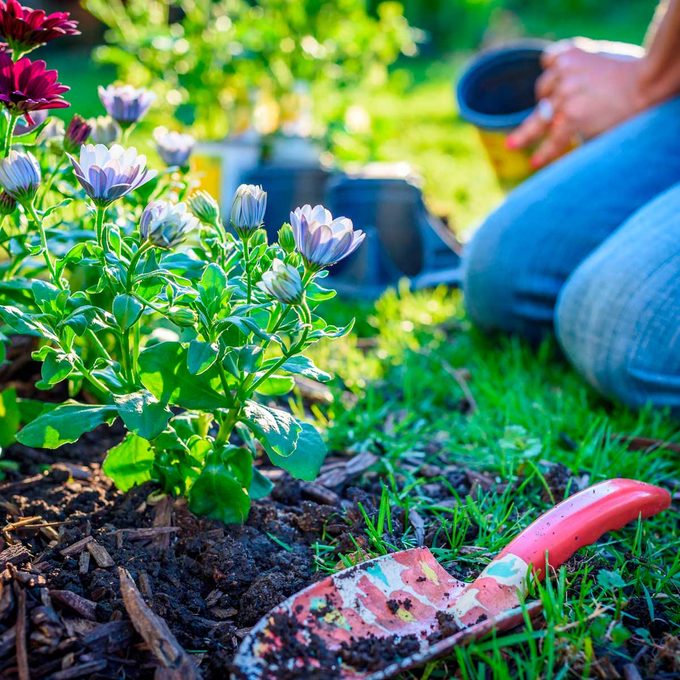
Credit: www.familyhandyman.com
Frequently Asked Questions
What Type Of Mulch Is Best For Flower Beds?
Organic mulches like bark or wood chips are ideal for flower beds. They retain moisture, improve soil, and suppress weeds effectively.
How Thick Should Mulch Be Applied In The Yard?
Apply mulch in a 2 to 4-inch layer. This thickness conserves moisture and prevents weed growth without suffocating plants.
Can Mulch Improve Soil Quality Over Time?
Yes, organic mulch breaks down and enriches soil by adding nutrients. It also improves soil structure and drainage.
Is Rubber Mulch Safe For Garden Plants?
Rubber mulch is non-toxic and long-lasting but doesn’t improve soil fertility. It’s best for playgrounds, not gardens needing nutrient-rich soil.
Conclusion
Choosing the right mulch helps your yard stay healthy and neat. Think about your plants’ needs and local weather first. Organic mulches add nutrients, while inorganic ones last longer. Color and texture also affect your yard’s look. Spend time picking mulch that fits your garden’s style.
Good mulch saves water and stops weeds. Your yard will look fresh and cared for all season. Simple steps lead to a beautiful, easy-to-manage garden space. Mulch smart, and enjoy your thriving yard every day.

