
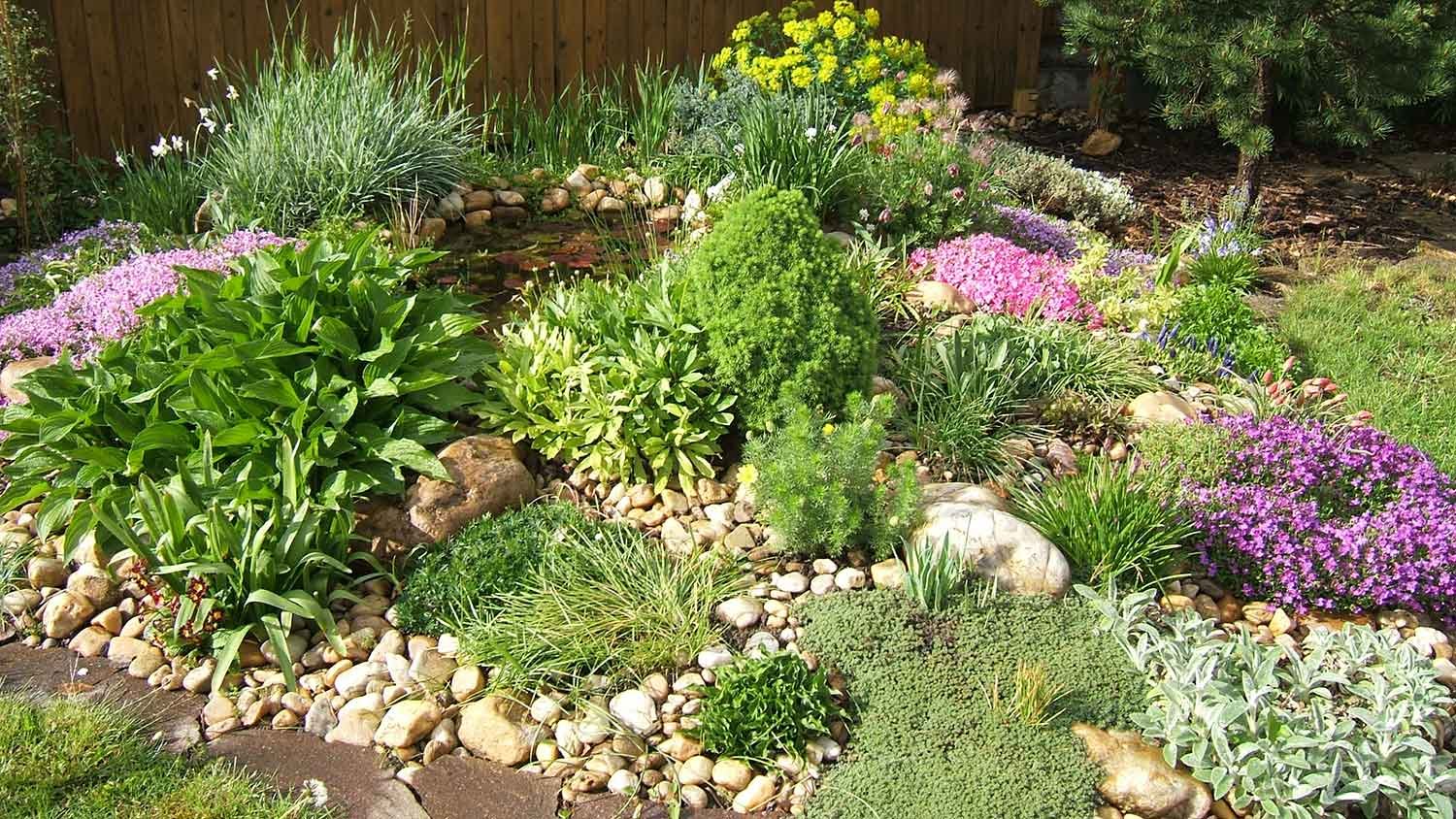
Are you looking to make your flower beds stand out without spending a fortune? Using landscaping rocks might be the simple trick you’ve been missing.
These stones can add texture, color, and a polished look to your garden while helping with weed control and moisture retention. If you want your flower beds to look beautiful all year round and save time on maintenance, keep reading.
You’ll discover easy ways to use landscaping rocks that will transform your outdoor space into a stunning retreat.

Credit: www.youtube.com
Choosing The Right Rocks
Choosing the right rocks for flower beds shapes the entire garden look. Rocks can protect plants, control weeds, and improve soil moisture. Selecting stones that match your garden style and plant needs boosts beauty and function. Consider rock type, color, texture, and size carefully. These factors affect how well rocks work and how they look in flower beds.
Types Of Landscaping Rocks
Different rocks offer unique benefits and styles. Common types include:
- Gravel – Small, rounded stones perfect for drainage and pathways.
- River Rock – Smooth, polished stones that add a natural look.
- Crushed Stone – Sharp edges create good drainage and stability.
- Lava Rock – Lightweight and porous, great for moisture retention.
- Flagstone – Flat, large stones ideal for borders and walkways.
Choose rocks that suit your climate and plant type. Some rocks help keep soil cool, while others add warmth.
Color And Texture Options
Rock color influences garden mood and plant highlight. Light colors reflect sunlight and brighten spaces. Dark stones absorb heat and add contrast. Texture matters too. Smooth rocks offer a soft, clean look. Rough stones create a rustic, natural feel. Mixing colors and textures can add interest. Stay consistent with your garden style for harmony.
Sizing Rocks For Flower Beds
Size affects both appearance and function. Small rocks work well as mulch and help prevent weeds. Medium stones balance soil coverage with plant visibility. Large rocks create focal points and structure. Avoid stones too big that block plant growth. Spread rocks evenly for good soil exposure. Use a mix of sizes to add depth and dimension.
Preparing Flower Beds For Rocks
Preparing flower beds for landscaping rocks is a key step for a neat and lasting garden look. Proper preparation helps rocks stay in place and supports healthy plant growth. Clear soil, control weeds, and ensure good drainage to get the best results.
Clearing And Leveling Soil
Start by removing all grass, weeds, and debris from the flower bed. Dig down a few inches to loosen the soil. Break up large clumps and remove rocks or roots. Level the soil using a rake to create a smooth surface. This makes it easier to spread rocks evenly later.
Installing Weed Barriers
Lay a weed barrier fabric over the prepared soil. Cut the fabric to fit the shape of your flower bed. Secure edges with landscape staples or pins. This barrier stops weeds from growing through the rocks. It also lets water and air pass to the soil below.
Improving Drainage
Check how water drains in your flower bed. Add sand or small gravel to heavy or clay soils to improve drainage. Make sure the bed slopes slightly away from buildings. Good drainage prevents water from pooling under the rocks. This helps keep plants healthy and stops soil erosion.
Arranging Rocks Creatively
Landscaping rocks create natural borders that highlight flower beds beautifully. Arranging them in patterns adds texture and helps control soil erosion around plants. Choose different sizes and colors for a striking, neat garden look.
Arranging rocks creatively transforms flower beds into captivating landscapes. Rocks add texture and depth to any garden. The right arrangement enhances the beauty of your plants. Here are some techniques to guide you.Layering And Grouping Techniques
Layering rocks creates visual interest. Place larger rocks at the base. Stack smaller stones on top to add height. Group rocks of similar sizes for a cohesive look. Use odd numbers for a natural appearance. This technique mimics nature’s randomness.Creating Natural Flow
Arrange rocks to guide the eye naturally. Use curved lines instead of straight ones. Create pathways that lead through the garden. This approach makes the space feel inviting. Vary the rock sizes to maintain interest. It encourages exploration.Combining Rocks With Plants
Pair rocks with complementary plants for harmony. Use succulents with larger rocks. Plant ground covers around smaller stones. This combination softens the hard edges of rocks. Choose plants that thrive in rock gardens. This ensures a healthy, vibrant landscape.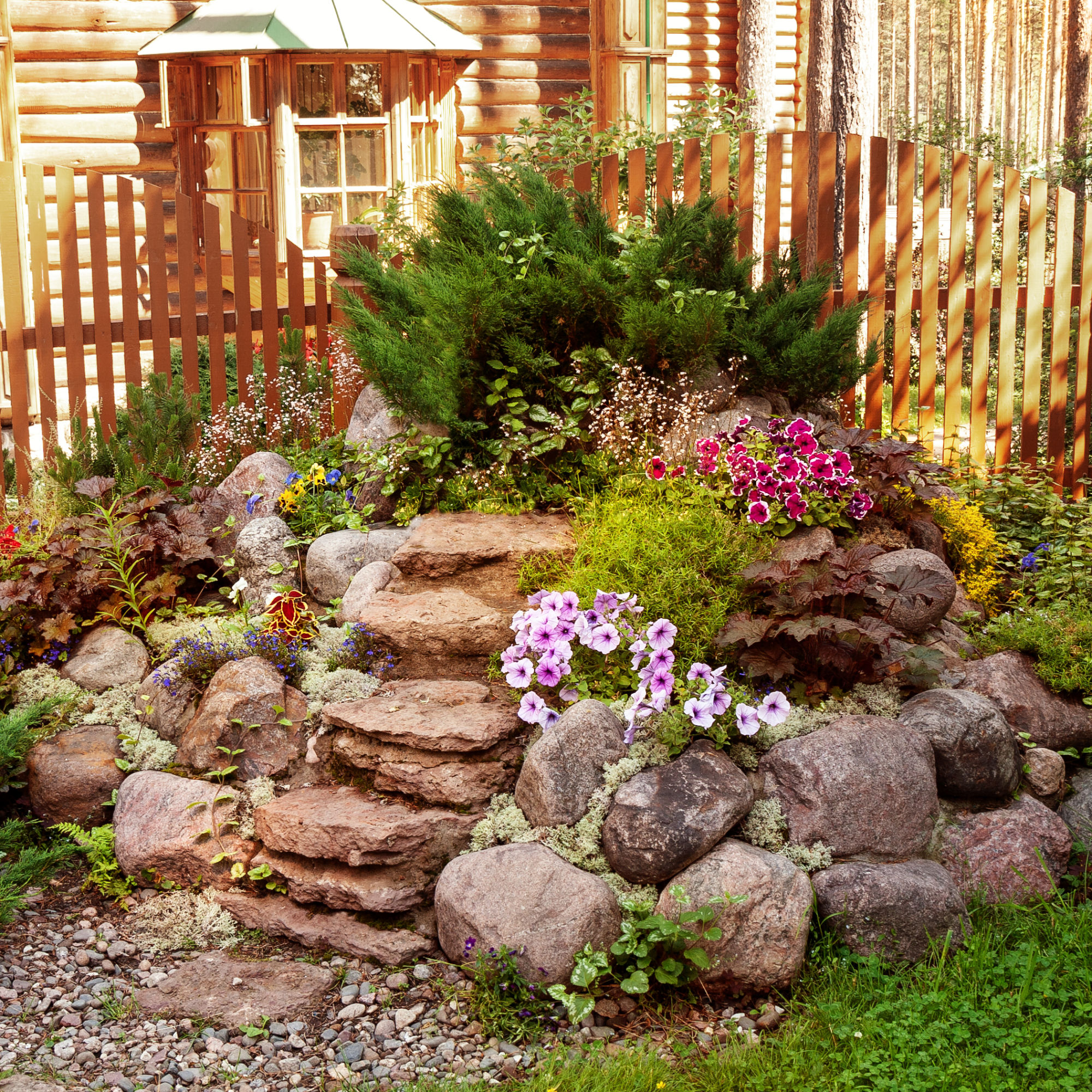
Credit: www.gardeningknowhow.com
Maintaining Rock Flower Beds
Maintaining rock flower beds keeps them attractive and healthy. Regular care prevents dirt buildup and weed growth. It also ensures the rocks stay fresh and vibrant. Proper upkeep extends the life of your landscaping rocks and enhances your garden’s beauty.
Cleaning And Refreshing Rocks
Remove leaves and debris from the rocks often. Use a garden hose to wash dirt away. A stiff brush helps scrub off moss or algae. For tough stains, mix water with mild soap and scrub gently. Let the rocks dry completely before replacing them in the flower bed.
Controlling Weeds
Weeds grow between rocks if not controlled. Pull weeds by hand to avoid disturbing plants. Use a weed barrier fabric under the rocks to stop growth. Apply natural herbicides carefully around flowers. Keep the area clean to reduce weed seeds settling in.
Replacing And Adding Rocks Over Time
Rocks may fade or sink over time. Add new rocks to maintain an even layer. Replace broken or damaged stones promptly. Spread rocks evenly to cover bare spots. Refreshing rocks keeps flower beds neat and prevents soil erosion.
Design Ideas And Inspirations
Using landscaping rocks in flower beds can transform your garden into a stunning visual display. The right design ideas help you highlight the beauty of your plants while keeping maintenance low. Let’s look at some inspiring ways to style your flower beds using rocks that match your personal taste and the vibe of your outdoor space.
Modern Minimalist Styles
Modern minimalist flower beds use clean lines and simple color palettes. Opt for smooth, uniform rocks like white pebbles or black river stones to create contrast with vibrant flowers. Pair these with geometric planters or sharply trimmed plants to keep the look sleek and uncluttered.
Think about using rectangular stone slabs as stepping paths within your flower beds. This not only adds structure but also invites you to explore your garden up close. Have you tried mixing just two or three colors of rocks to keep the focus on your plants?
Rustic And Natural Looks
For a rustic feel, choose natural, unpolished stones like field rocks or lava stones. Scatter them irregularly to mimic how rocks naturally appear in the wild. This style works well with wildflowers and shrubs, giving your bed a relaxed, earthy atmosphere.
Adding weathered wooden borders or old tree stumps alongside the rocks can deepen the rustic charm. You might notice how this approach makes your garden feel like a peaceful retreat from busy life. What natural elements around your home could you bring into your flower bed design?
Using Rocks For Seasonal Appeal
Rocks can highlight seasonal changes in your flower beds effectively. In spring, use light-colored stones to brighten up fresh blooms. During summer, darker rocks can create contrast with lush green leaves and vibrant flowers.
As fall arrives, place warm-toned rocks such as red or rust-colored stones near chrysanthemums or ornamental grasses. In winter, rocks can add texture and interest when plants are dormant. How can you arrange your rocks to keep your flower beds attractive all year long?

Credit: www.angi.com
Frequently Asked Questions
What Types Of Rocks Work Best For Flower Beds?
Smooth river rocks, lava rocks, and pea gravel are ideal. They retain moisture and prevent weed growth. Choose rocks that complement your garden’s color scheme and plant types for the best visual appeal.
How Do Landscaping Rocks Help With Flower Bed Maintenance?
Rocks reduce soil erosion and retain moisture, lowering watering needs. They also suppress weeds and improve drainage. This makes flower bed upkeep easier and keeps plants healthy.
Can I Mix Rocks With Mulch In Flower Beds?
Yes, combining rocks with mulch adds texture and contrast. Rocks offer durability, while mulch enriches soil nutrients. This mix enhances both aesthetics and plant health.
How Deep Should Landscaping Rocks Be Placed In Flower Beds?
A 2 to 3-inch layer of rocks is sufficient. This depth controls weeds and maintains soil moisture without suffocating plants. Avoid overly thick layers to ensure proper airflow.
Conclusion
Landscaping rocks add beauty and function to flower beds. They help keep soil moist and reduce weeds. Choose rocks that match your garden style and plant needs. Spread them evenly for a neat look. Rocks last long and need little care.
Use them to create paths or borders too. Simple steps bring big changes to your garden. Try using rocks to make your flower beds stand out. Enjoy a garden that looks great all year.

